Lord Byron
Writing · Born 1788-01-22 · age 36 at death · London, England
From Wikipedia, the free encyclopedia - https://en.wikipedia.org/wiki/Lord_Byron. George Gordon Byron (later Noel), 6th Baron Byron, FRS (22 January 1788 – 19 April 1824), commonly known simply as Lord Byron, was an English poet and a leading figure in the Romantic movement. Among Byron's best-known works are the lengthy narrative poems Don Juan and Childe Harold's Pilgrimage, and the short lyric "She Walks in Beauty". Byron is regarded as one of the greatest British poets, and remains widely read and influential. He travelled widely across Europe, especially in Italy where he lived for seven years. Later in life, Byron joined the Greek War of Independence fighting the Ottoman Empire, for which many Greeks revere him as a national hero. He died one year later at age 36 from a fever contracted while in Missolonghi. Often described as the most flamboyant and notorious of the major Romantics, Byron was both celebrated and castigated in life for his aristocratic excesses, including huge debts, numerous love affairs with men as well as women, rumours of a scandalous liaison with his half-sister, and self-imposed exile. He also fathered Ada, Countess of Lovelace, whose work on Charles Babbage's Analytical Engine is considered a founding document in the field of computer science, and Allegra Byron, who died in childhood — as well as, possibly, Elizabeth Medora Leigh out of wedlock.
Titles
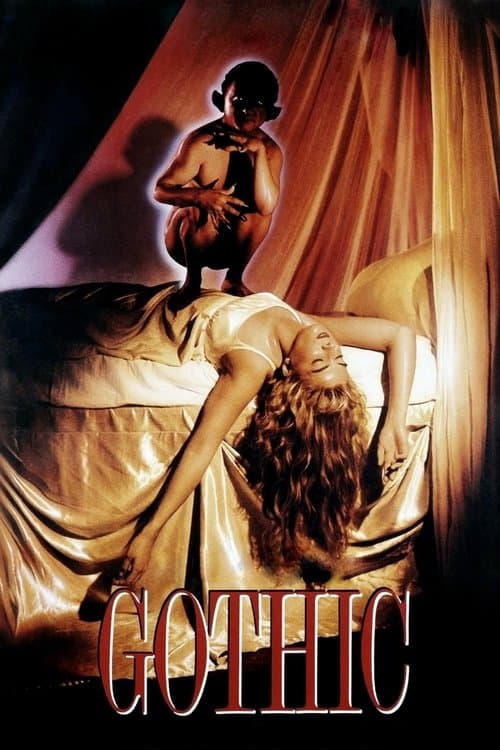
Gothic
The Vampyr: A Soap Opera

Romantici a Venezia

Verdi: I due Foscari
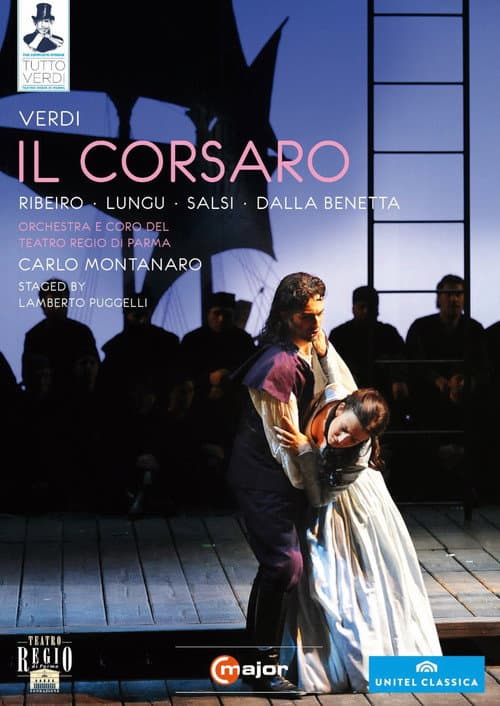
Verdi: Il corsaro

Bolshoi Ballet: Le Corsaire
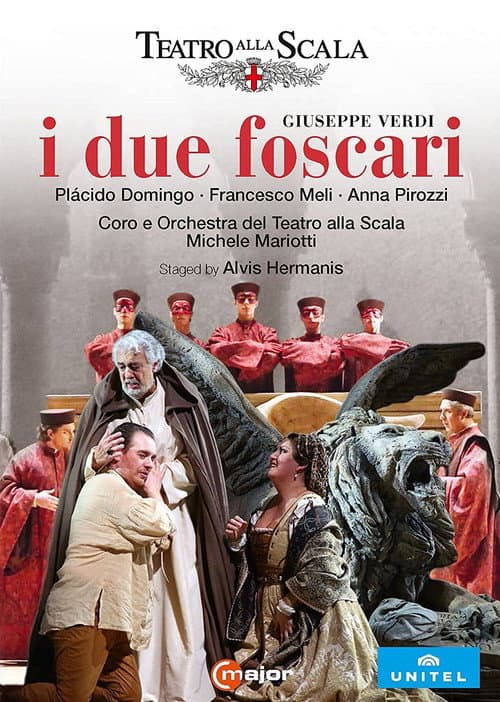
Giuseppe Verdi: I due Foscari

Marino Faliero