Eugen Schüfftan
Camera · Born 1893-07-21 · age 84 at death · Breslau, Silesia, Germany [now Wroclaw, Dolnoslaskie, Poland]
From Wikipedia, the free encyclopedia Eugen Schüfftan (21 July 1893, Breslau, Silesia, Germany, now Wroclaw, Poland – 6 September 1977, New York City) was a German Jewish cinematographer. He invented the Schüfftan process, a special effects technique that employed mirrors to insert actors into miniature sets. One of the first uses of the process was for Metropolis (1927), directed by Fritz Lang. The technique was widely used throughout the first half of the 20th century until it was supplanted by the travelling matte and bluescreen techniques. Schüfftan won the 1962 Academy Award for Best Cinematography, Black-and-White for his work on the film The Hustler.
Titles

Metropolis
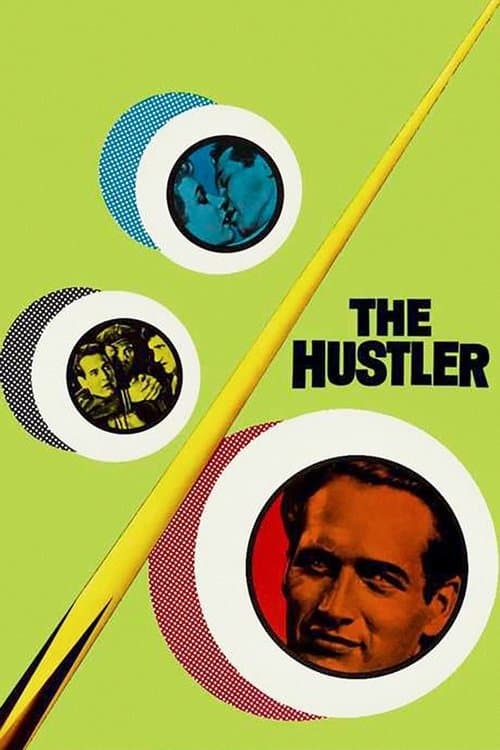
The Hustler

Eyes Without a Face
Port of Shadows
Ulysses

Napoleon

The Dark Mirror
People on Sunday

Lilith
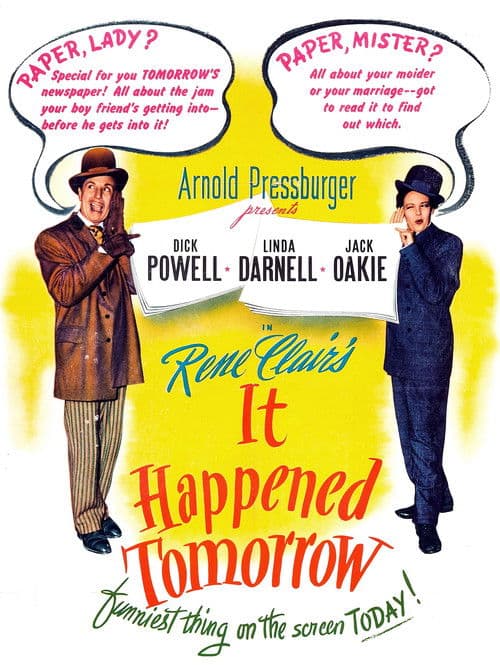
It Happened Tomorrow
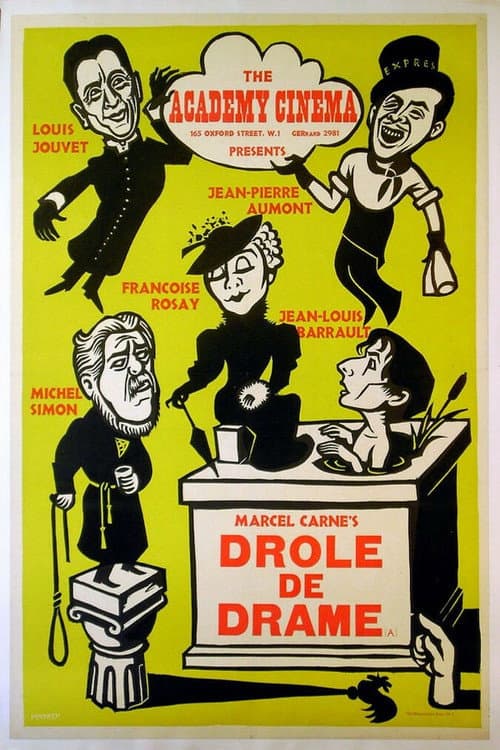
Bizarre, Bizarre

Bluebeard

The Strange Woman

The Big Scare

Head Against the Wall

Something Wild
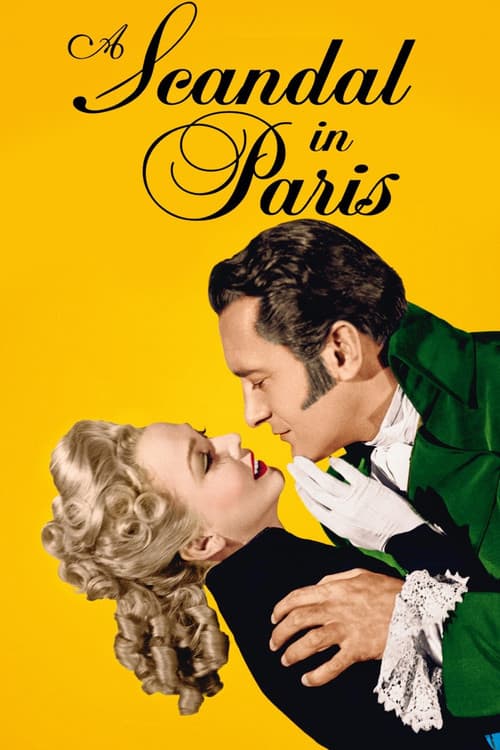
A Scandal in Paris

Three Rooms in Manhattan
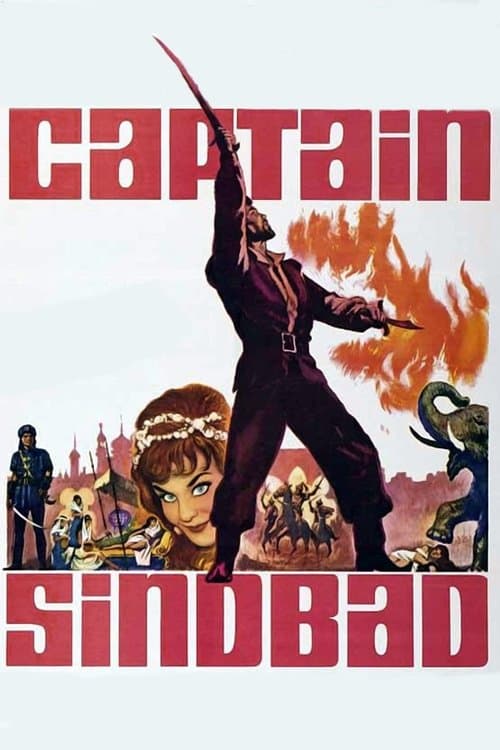
Captain Sindbad

The Respectful Prostitute

There's No Tomorrow
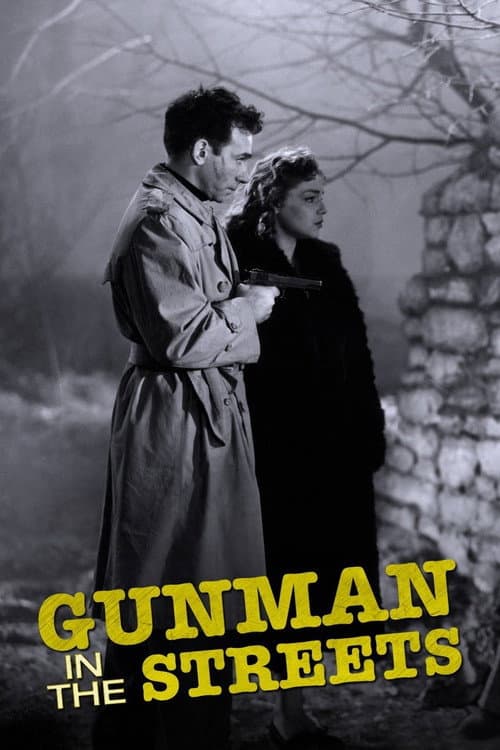
Gunman in the Streets
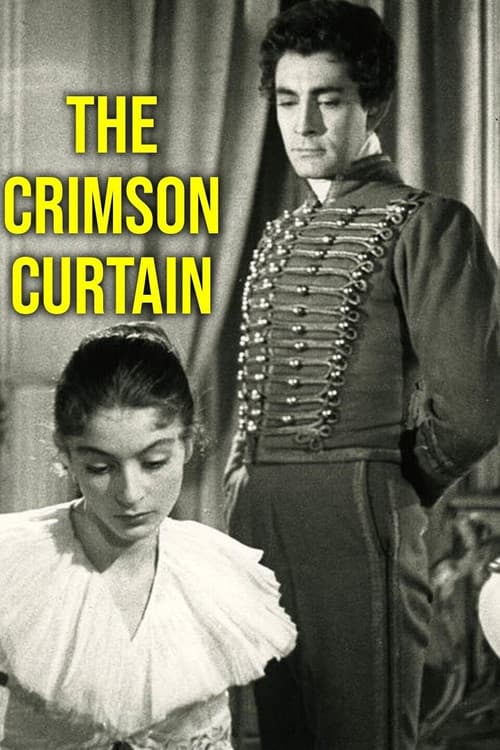
The Crimson Curtain
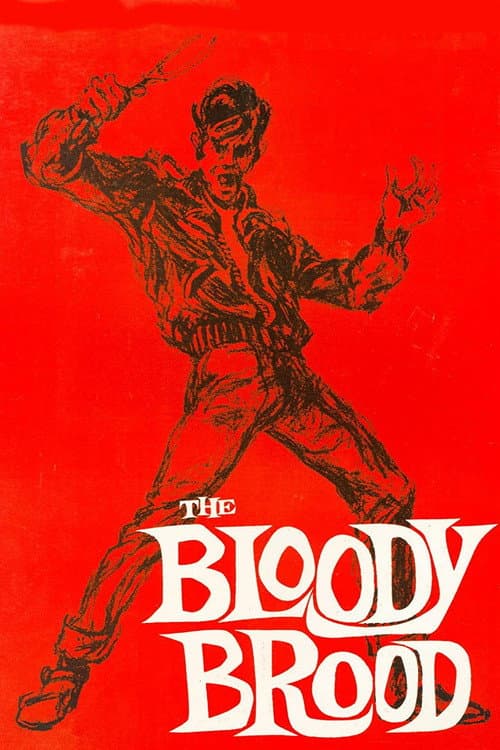
The Bloody Brood

Summer Storm

Chappaqua

Hitler's Madman
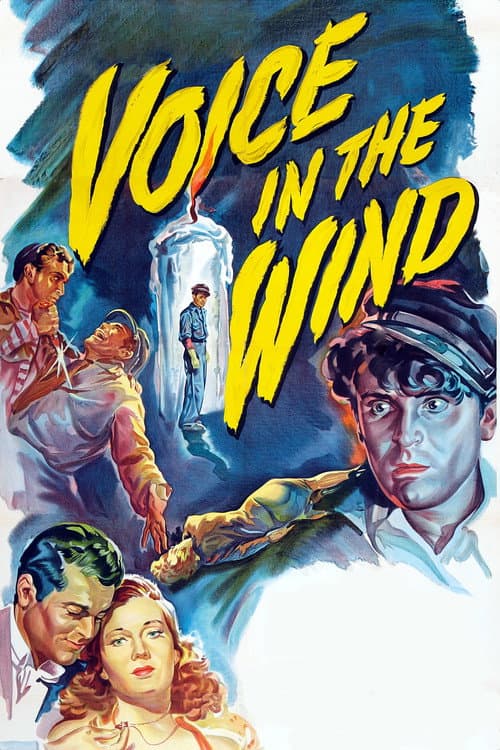
Voice in the Wind

Queen of Atlantis
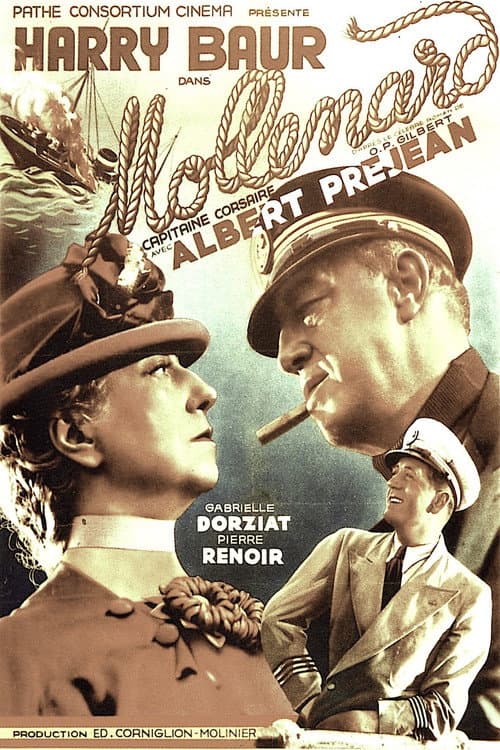
Hatred

The Virgins

Women in the Night

The Tender Enemy

The Mistress of Atlantis
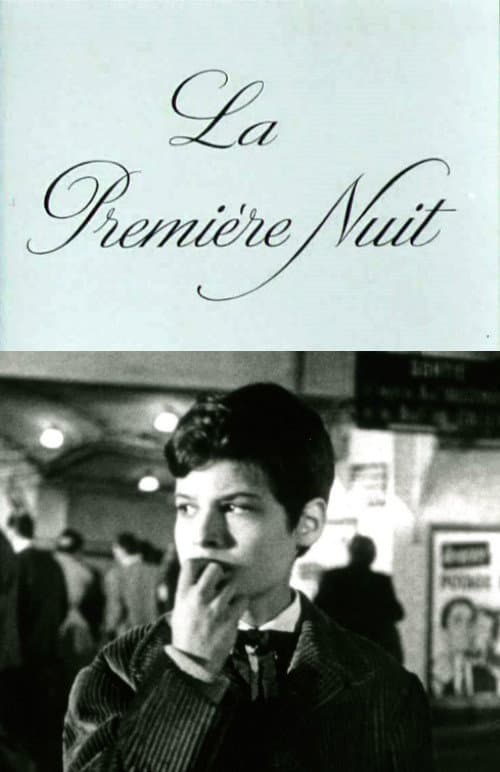
The First Night
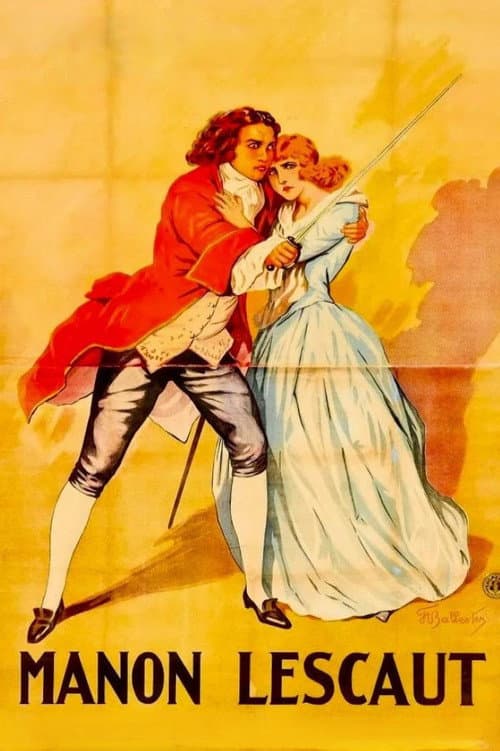
Manon Lescaut
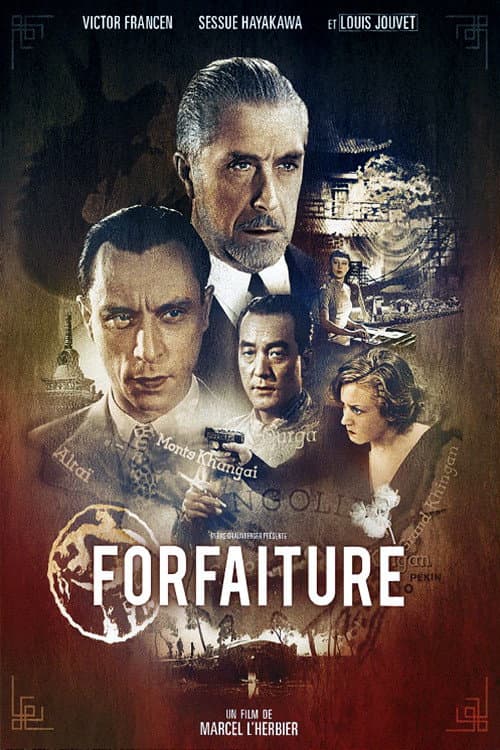
Forfaiture

The Shanghai Drama
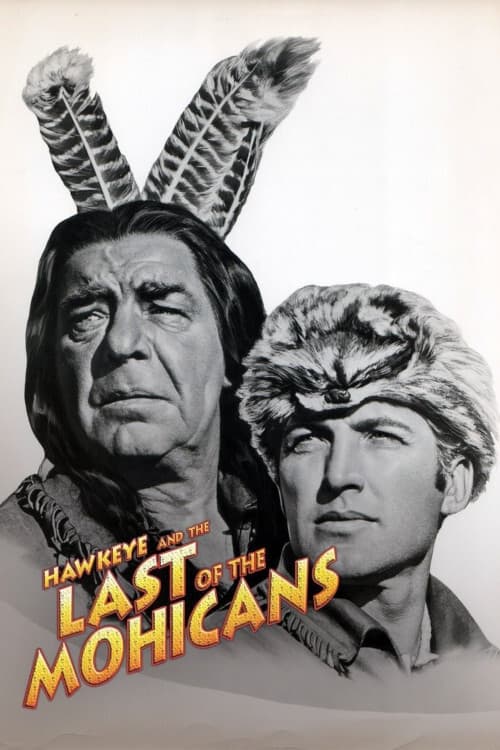
Hawkeye and the Last of the Mohicans

Street of Shadows

Farewell

Club Havana

High and Low

A Couple

The Invader

Into the Blue
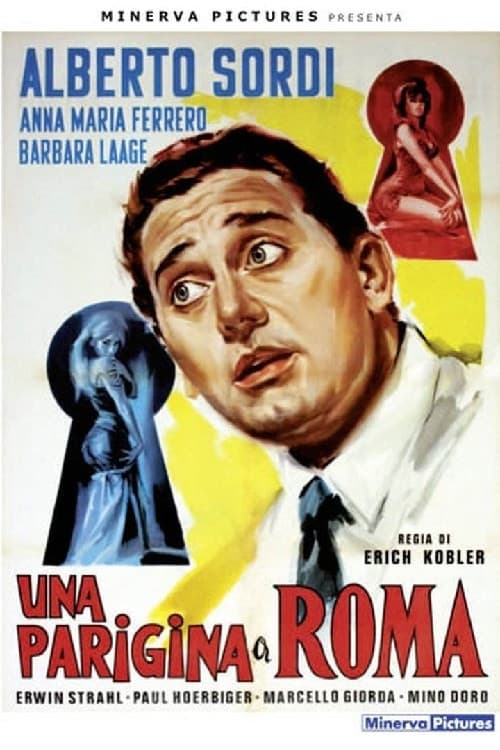
A Parisian in Rome

The Trouble with Money

The Slump Is Over

Yoshiwara

María de la O

The Stolen Face
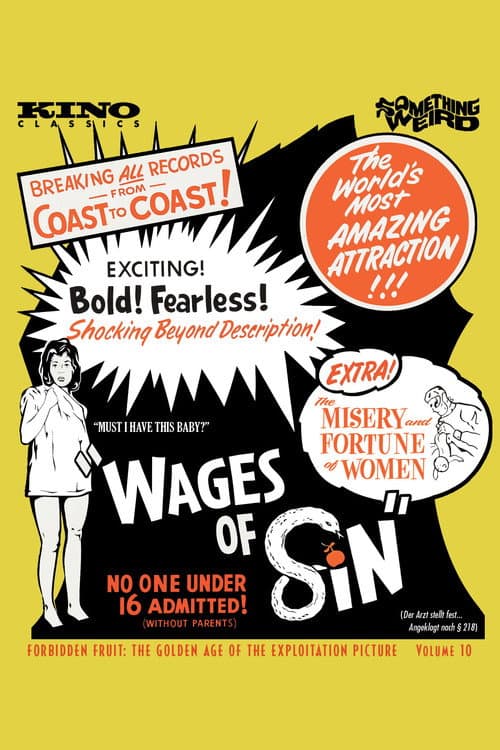
The Doctor Speaks Out
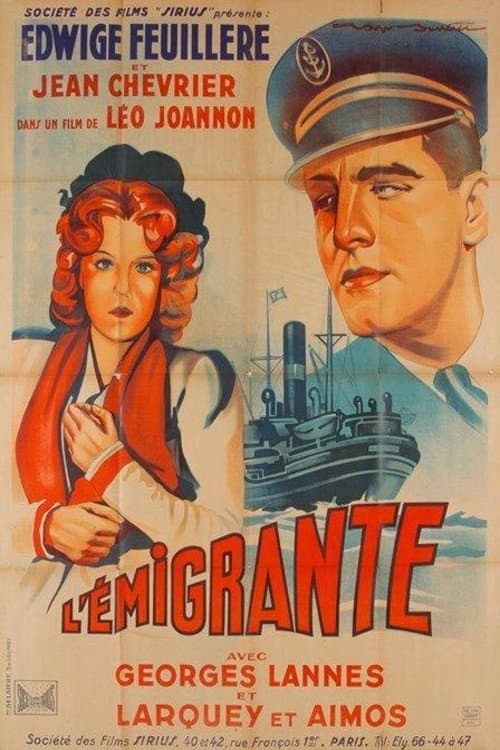
The Emigrant

Invisible Opponent
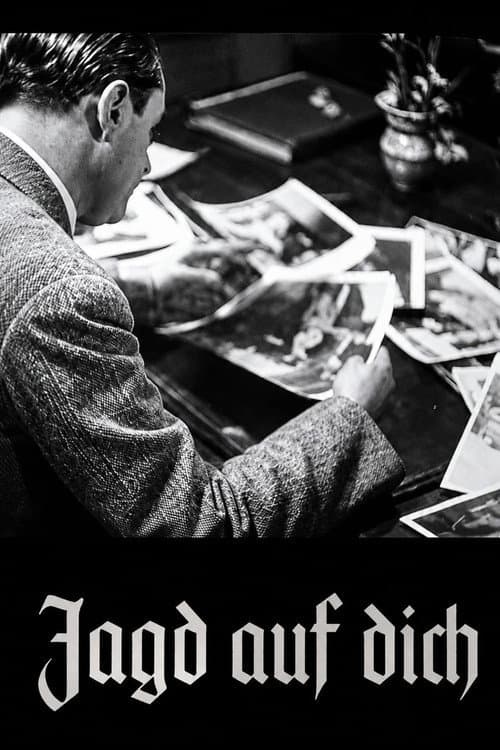
Jagd auf dich
Hudson's Bay

The Scoundrel

Popular Tune

I'd Rather Have Cod Liver Oil