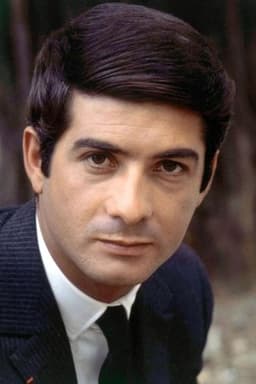
Jean-Claude Brialy
Acting · Born 1933-03-30 · age 74 at death · Aumale, Alger, France [now Sour el Ghozlane, Algeria]
Jean-Claude Brialy (30 March 1933 – 30 May 2007) was a French actor and film director. Brialy was born in Aumale (now Sour El-Ghozlane), French Algeria, where his father was stationed with the French Army. Brialy moved to mainland France with his family in 1942. He was an alumnus of the Prytanée National Militaire. When he was 21 years old, he went to Paris to work as an actor. In 1956, Brialy acted in his first role in the short film Le coup du berger (Fool's Mate) by Jacques Rivette. By the late 1950s, he'd become one of the most prolific actors in the French nouvelle vague and a star. He appeared in films of nouvelle vague directors such as Claude Chabrol (Le Beau Serge, 1958; Les Cousins, 1959), Louis Malle (Ascenseur pour l'échafaud, 1958; Les Amants, 1958), François Truffaut (Les 400 Coups, 1959), Jean-Luc Godard, (Une femme est une femme, 1961), Éric Rohmer (Claire's Knee, 1970), as well as in films of other filmmakers such as Jean Renoir (Elena et les hommes 1958), Roger Vadim (La ronde, 1964), Philippe de Broca (Le Roi de cœur, 1966), Luis Buñuel (Le Fantôme de la liberté, 1974), and Claude Lelouch (Robert et Robert, 1978). In 2006, he appeared in his last role, as the eponymous character of the TV film Monsieur Max, directed by Gabriel Aghion. Godard described him as "the French Cary Grant," while Brialy's self-described "life models" had reportedly been actor Sacha Guitry and director Jean Cocteau. Brialy directed a number of films, including Églantine in 1971, which was loosely inspired by his own memories of a happy childhood spent in Chambellay with his grandparents, and Les volets clos (Closed shutters) in 1972. He owned the restaurant L'Orangerie, on the Île Saint-Louis; he'd also worked as a TV presenter, a singer, and a radio host. During the presentation of one of his books, Brialy described himself this way: "I'm a boy who got lucky enough to do what I love in life". Brialy, in 1959, acquired a château in the commune of Monthyon, near Paris. There, he accommodated and entertained many friends from the cinema and the theatre, such as Jean Marais, Pierre Arditi, and Romy Schneider whom he'd met during the 1958 production of the film Christine. Schneider, after the 1981 fatal accident of her son David, found a "refuge from the paparazzi" in Brialy's home. French singer Barbara would often sing at the piano. Director Jean-Pierre Melville used the château to shoot the last scenes of his 1970 crime film Le Cercle Rouge, where Alain Delon and Yves Montand are killed by the police. In his books, the autobiographical Le Ruisseau des singes (The river of monkeys) (2000) and the memoir J'ai oublié de vous dire (I Forgot to Tell You) (2004), Brialy revealed that he was bisexual. ... Source: Article "Jean-Claude Brialy" from Wikipedia in English, licensed under CC-BY-SA.
Titles
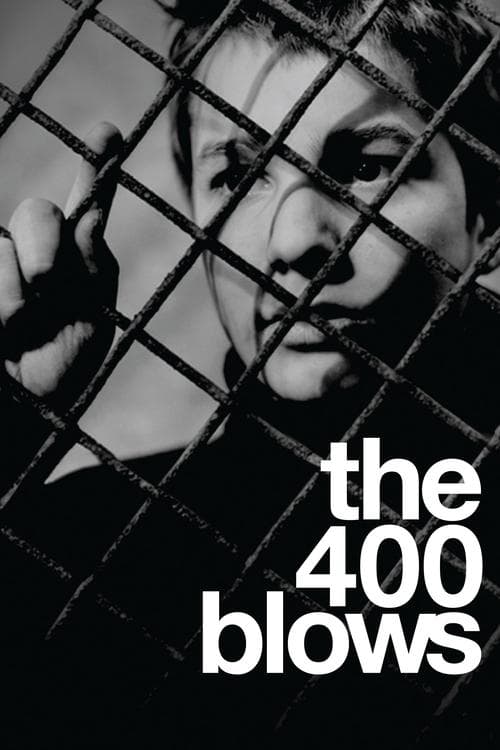
The 400 Blows
Cléo from 5 to 7
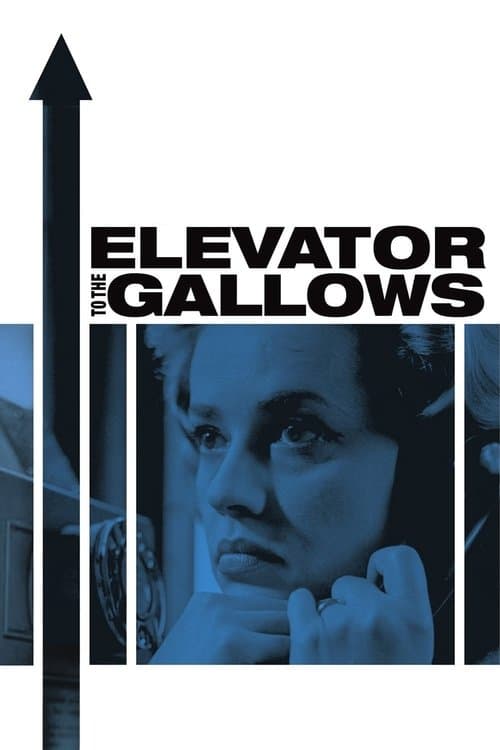
Elevator to the Gallows
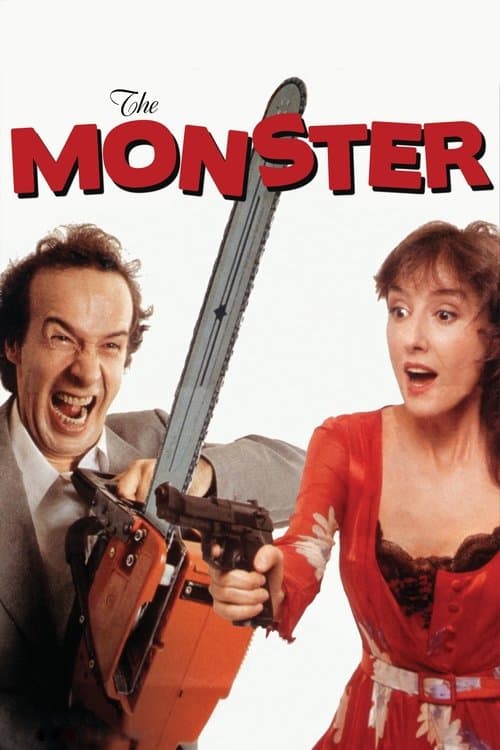
The Monster
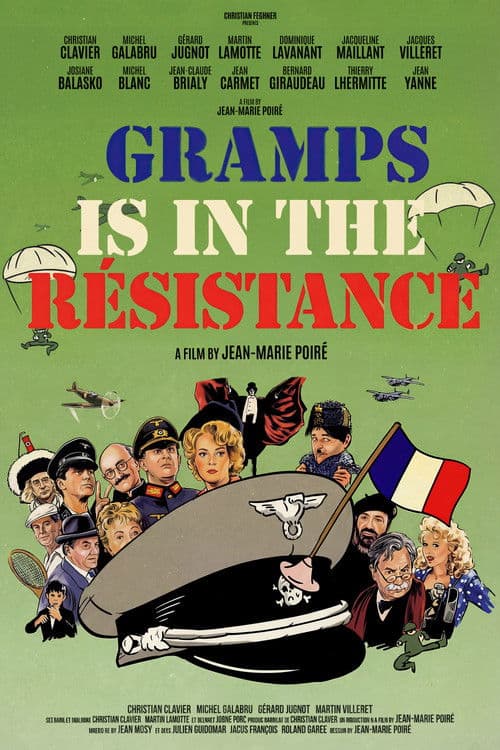
Gramps Is in the Resistance
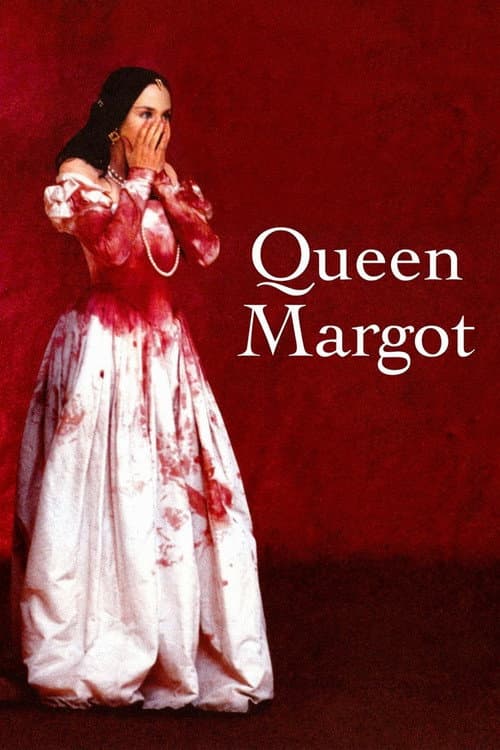
Queen Margot
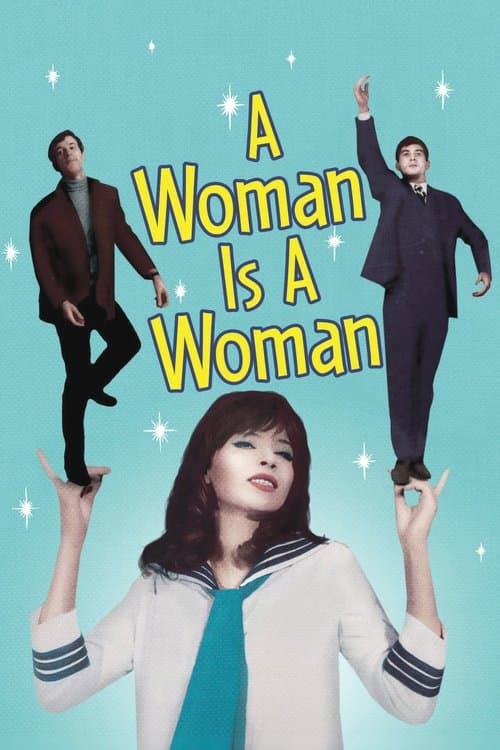
A Woman Is a Woman
The Phantom of Liberty
Claire's Knee
The Bride Wore Black
I Knew Her Well
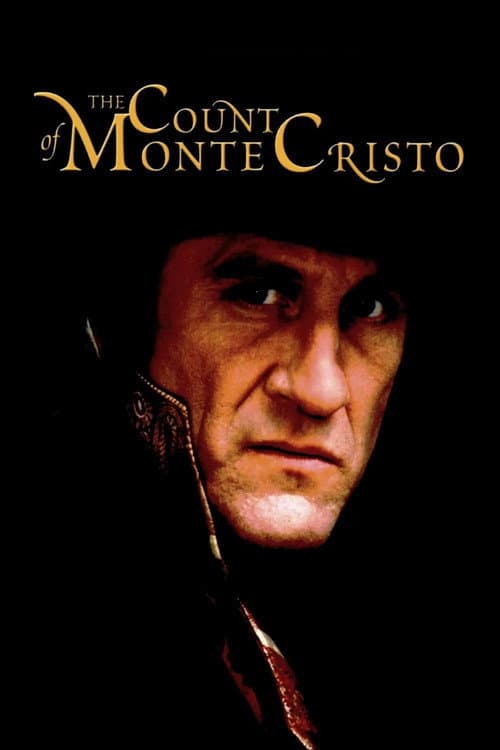
The Count of Monte Cristo
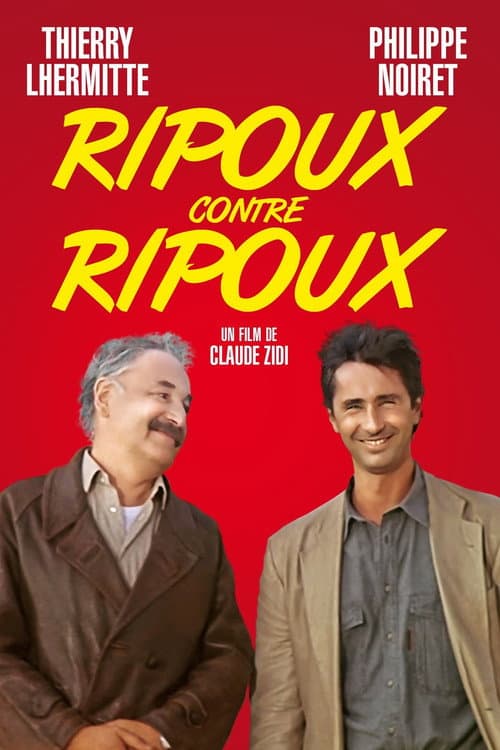
My New Partner II
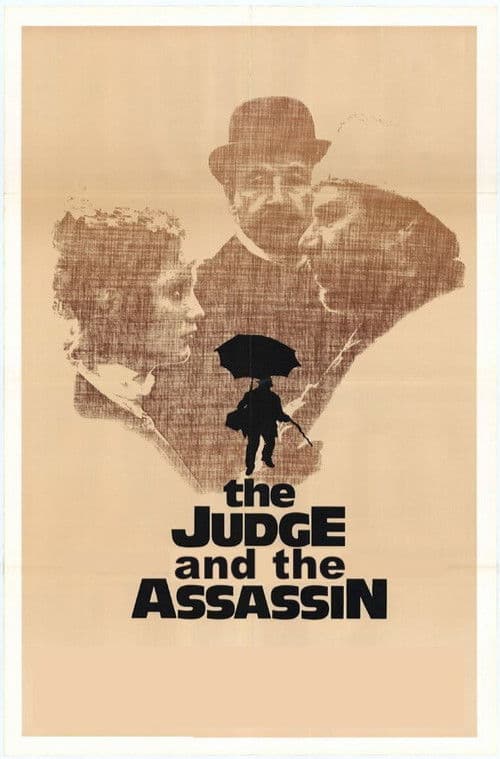
The Judge and the Assassin
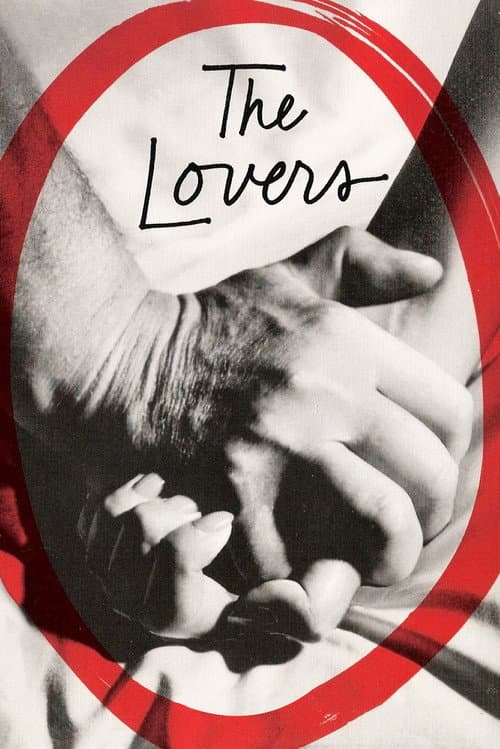
The Lovers
An Impudent Girl
Deadly Circuit

The Mischief Makers
Actors
Pinot simple-flic
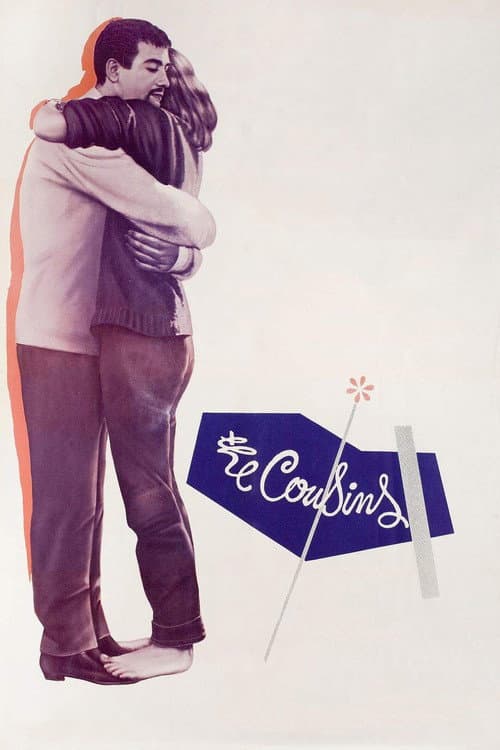
The Cousins
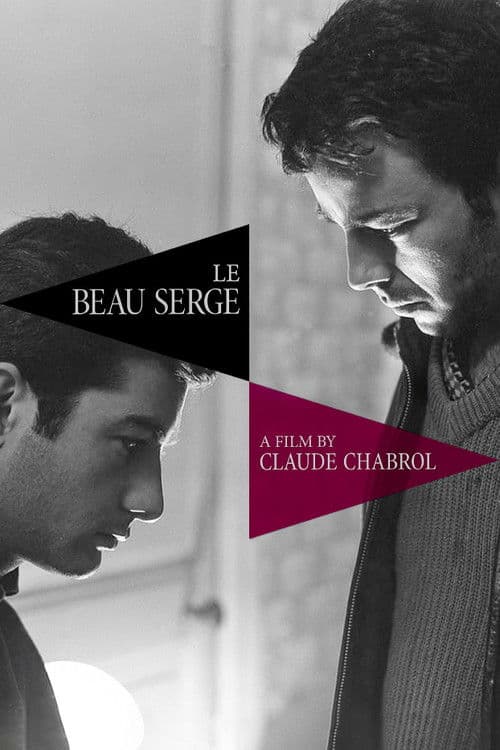
Le Beau Serge
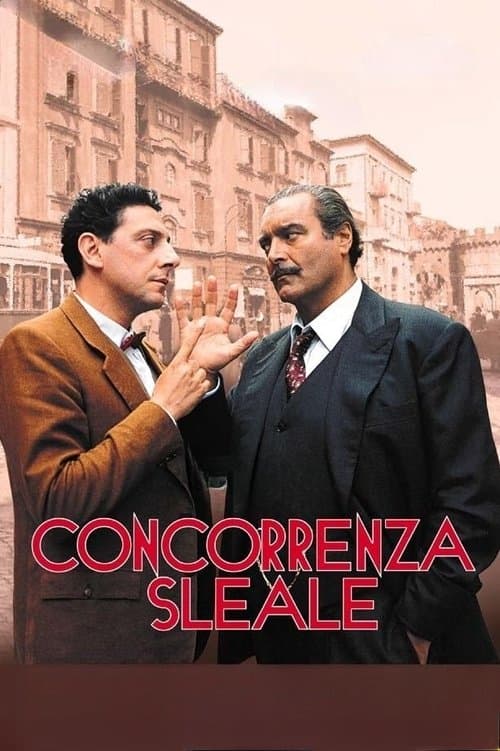
Unfair Competition
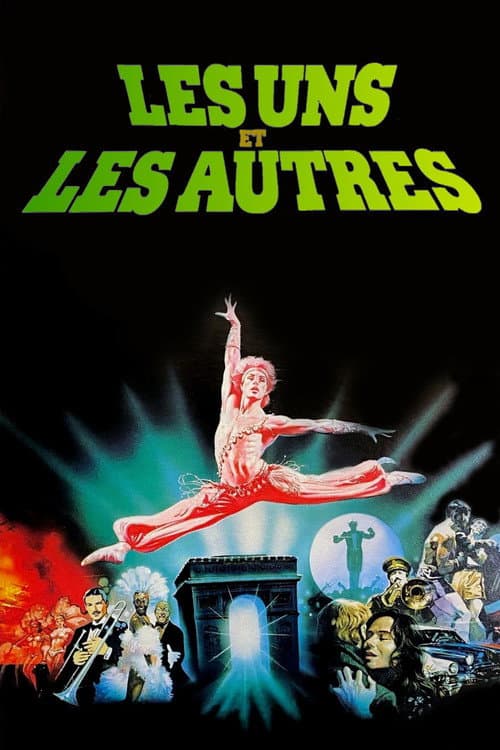
Bolero
The Car Keys
King of Hearts
Paris Belongs to Us
Beaumarchais the Scoundrel
Inspector Lavardin
That Night of Varennes
Fiancés on the Bridge
All the Boys Are Called Patrick
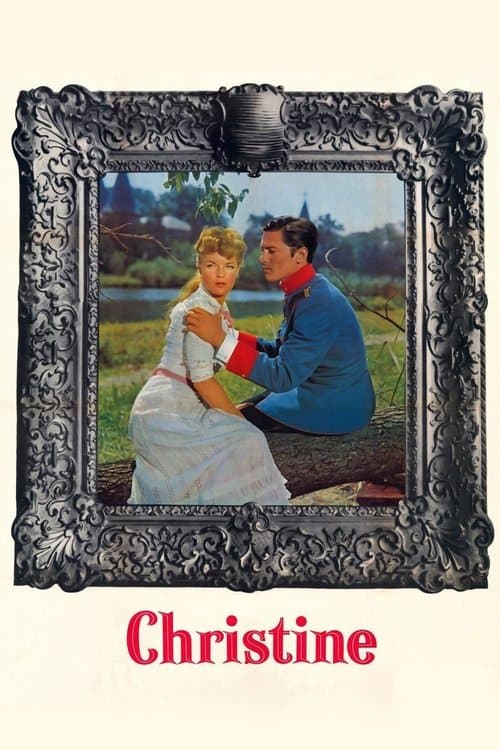
Christine
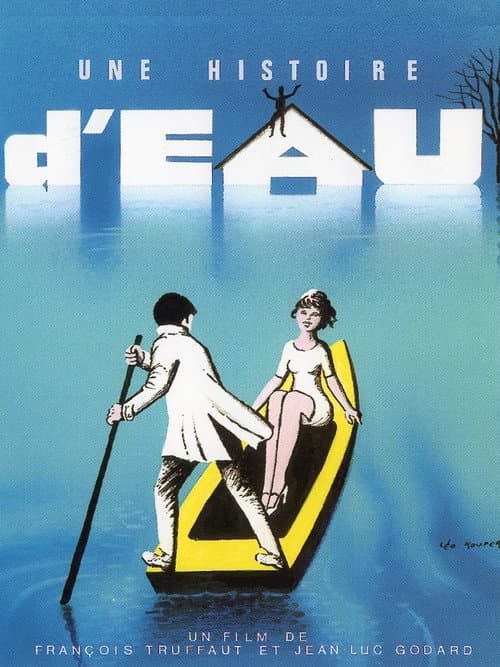
A Story of Water

One Hundred and One Nights
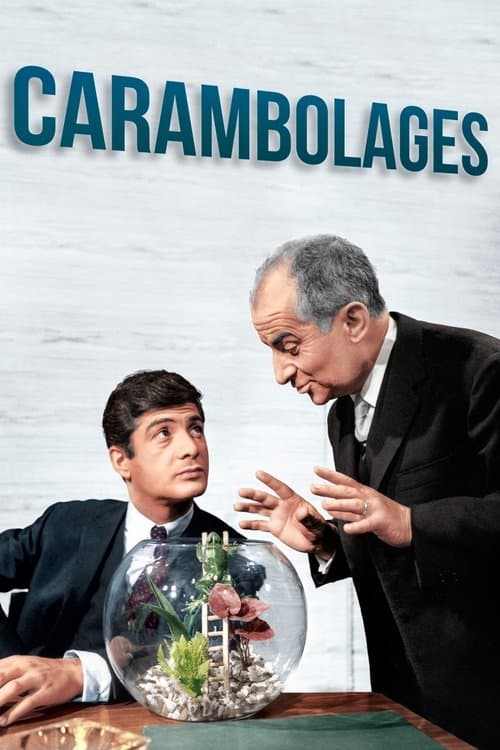
Carom Shots
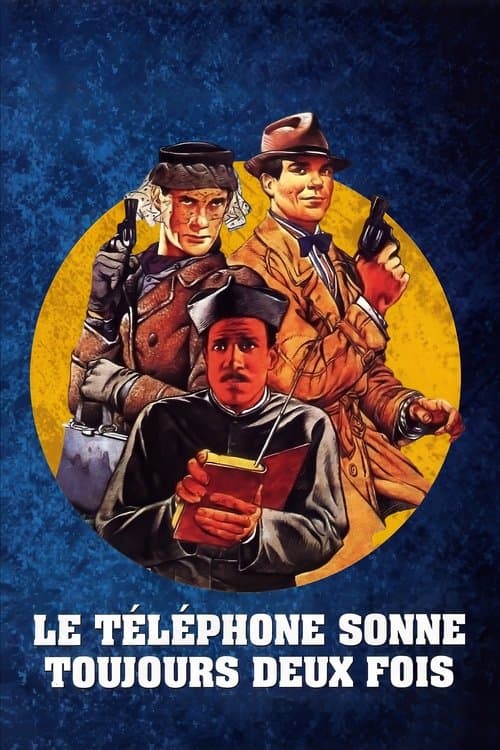
The Telephone Always Rings Twice
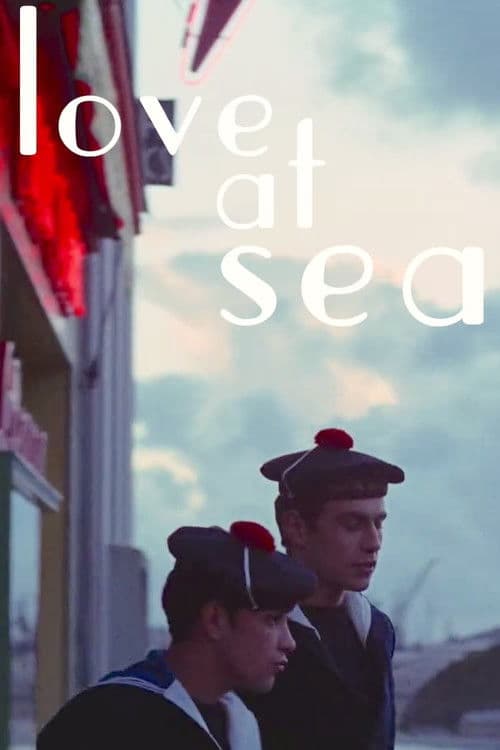
Love at Sea
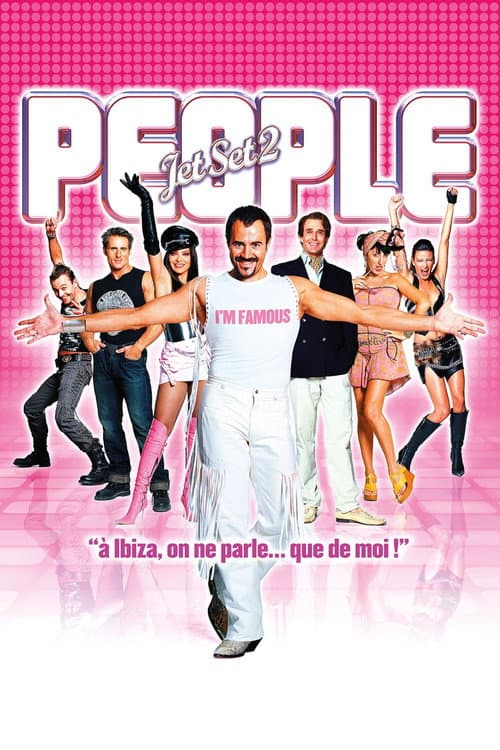
People : Jet Set 2
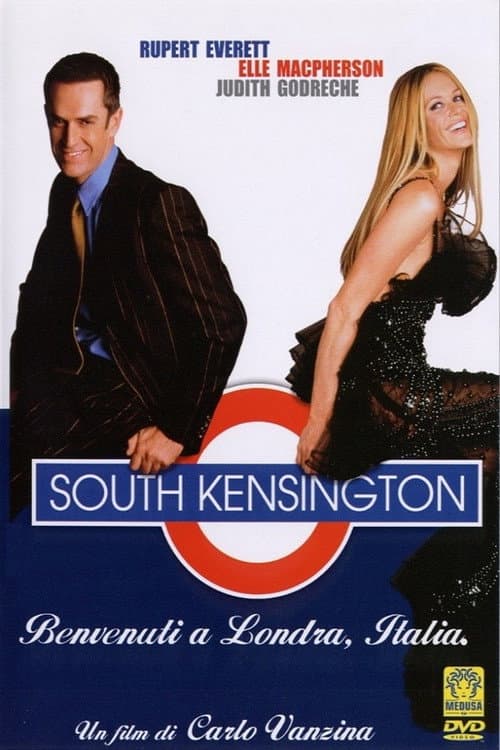
South Kensington
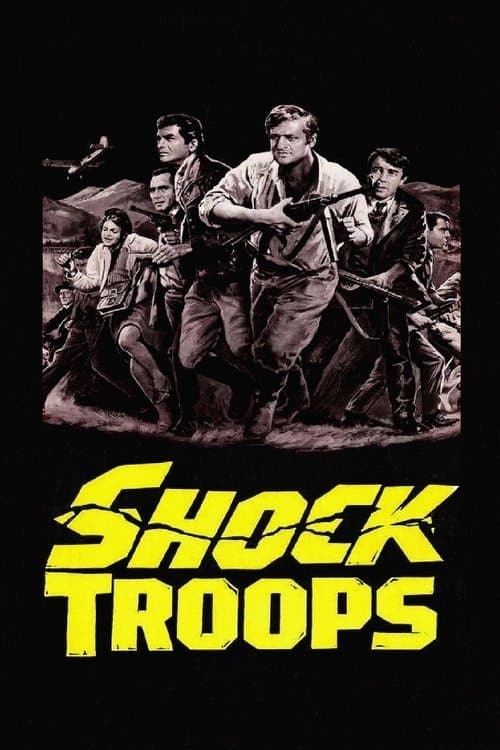
Shock Troops
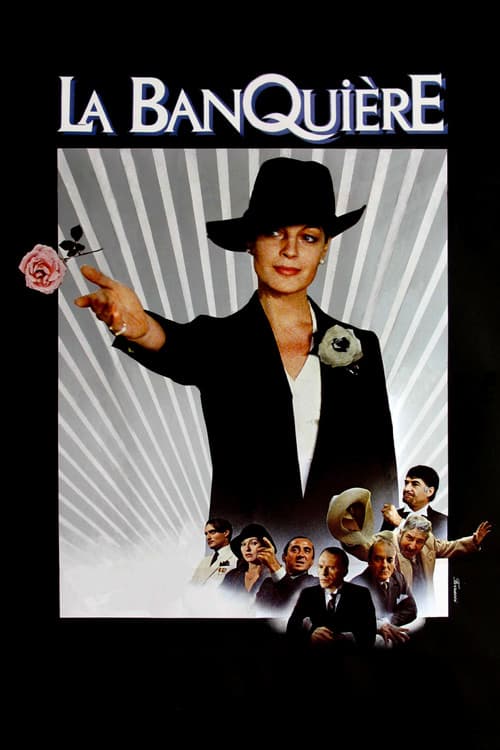
The Lady Banker
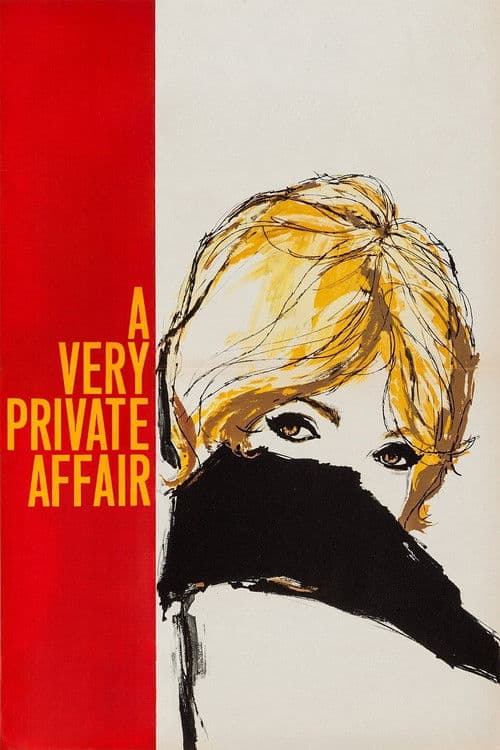
A Very Private Affair
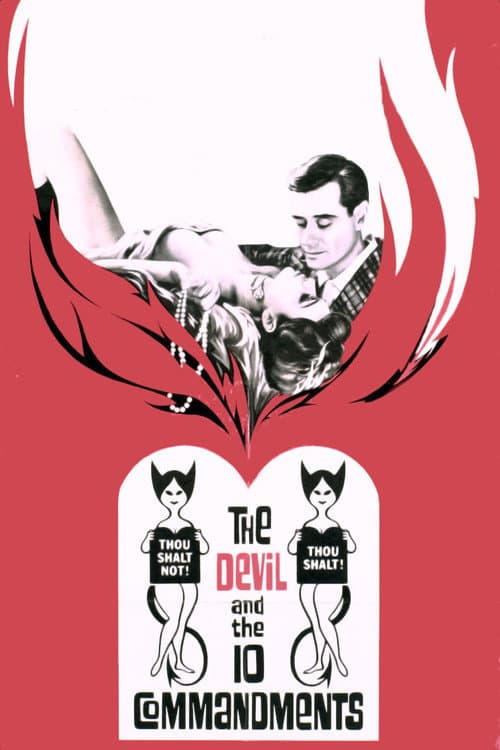
The Devil and the Ten Commandments

Male Hunt
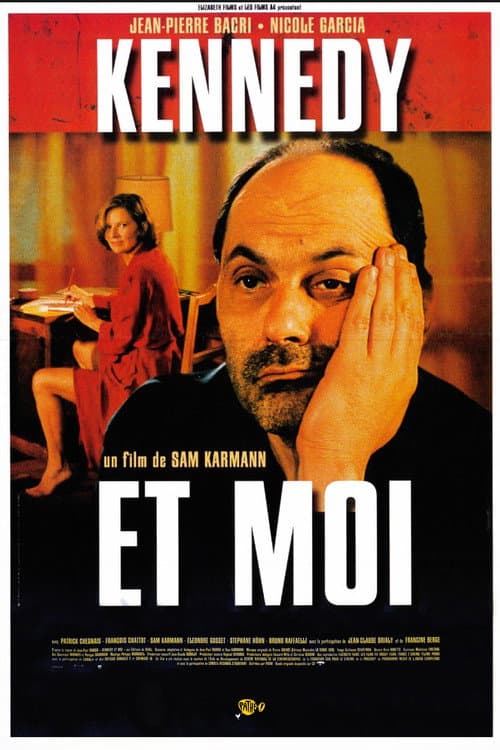
Kennedy et moi
No Fear, No Die
A French Woman
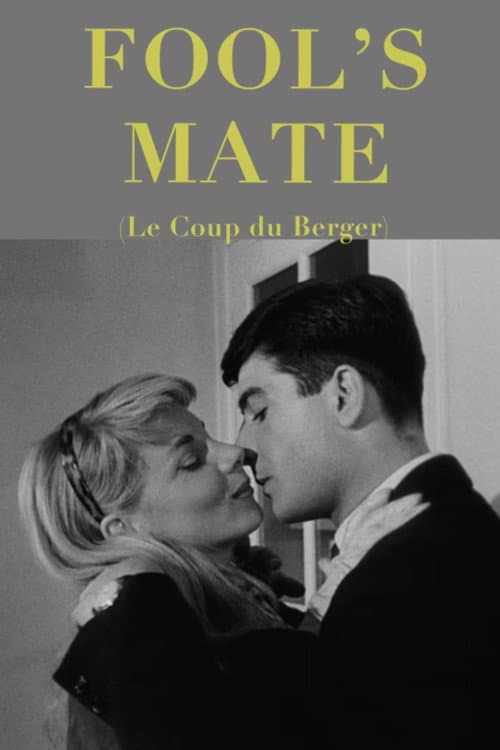
Fool’s Mate
A Man and a Woman: 20 Years Later
People in Luck
The Oldest Profession
The Mandrake
The Big Night
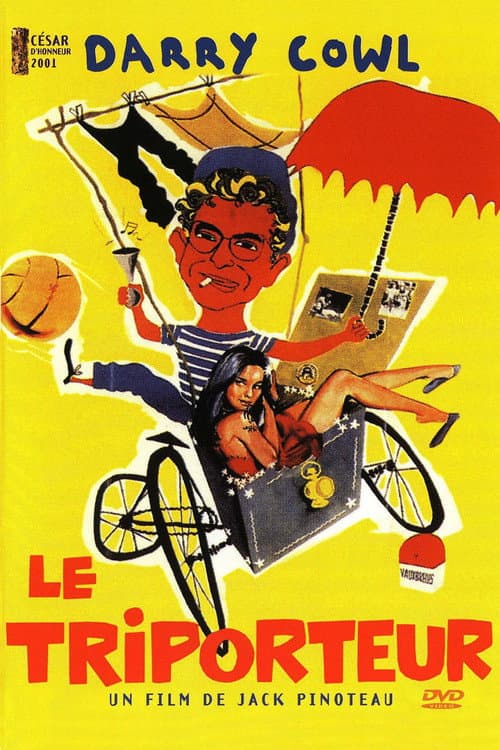
The Tricyclist
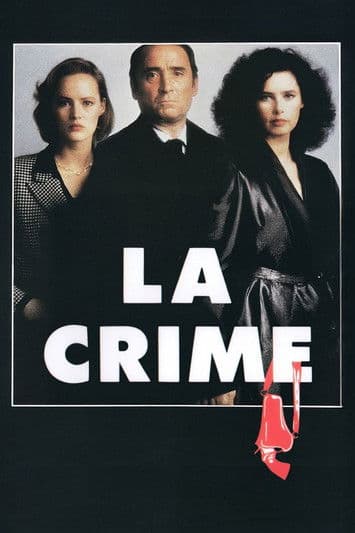
Cover Up
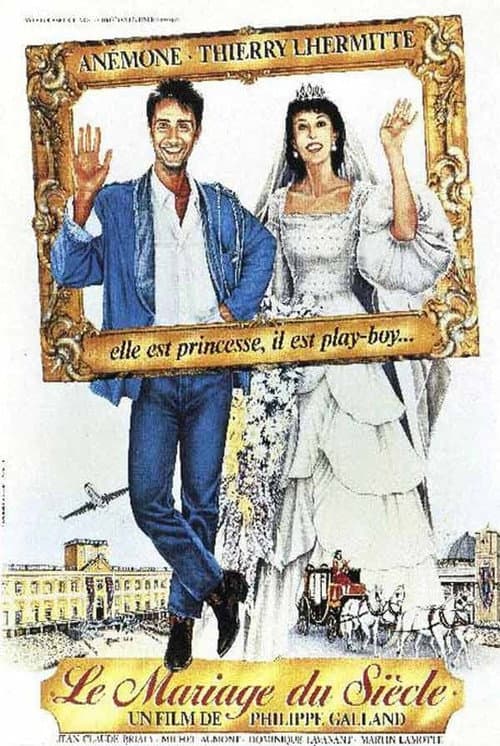
Marriage of the Century
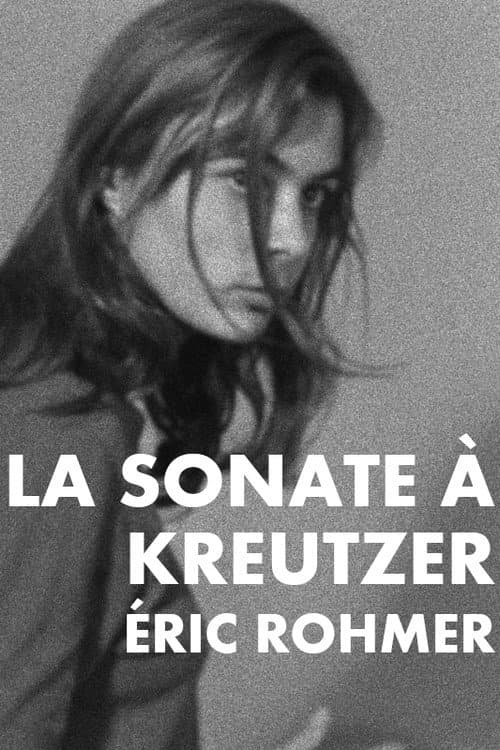
The Kreutzer Sonata
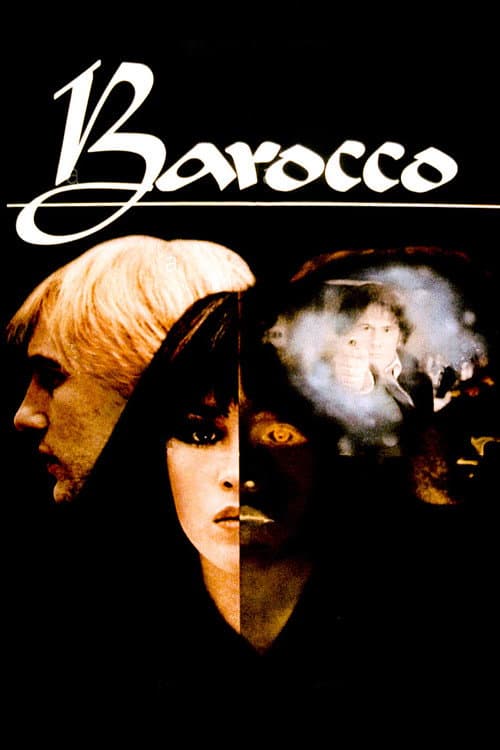
Barocco
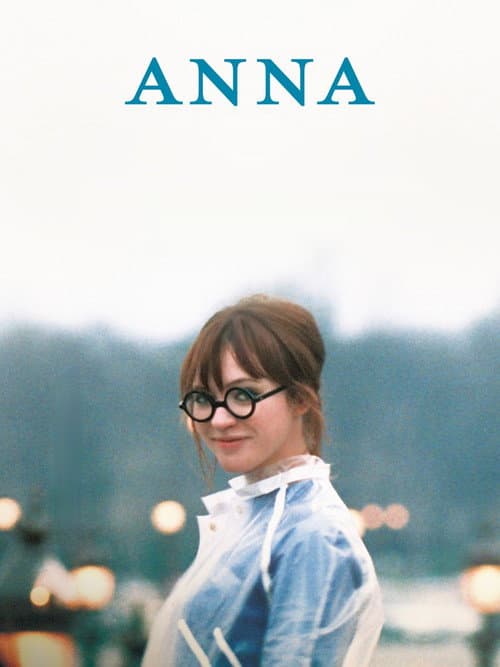
Anna