
Ken Burns
Multiple people share this name. Showing the most well-known match (Directing).
Directing · Born 1953-07-29 · age 73 · Brooklyn, New York, USA
Ken Burns (born 1953) is a highly celebrated American documentarian who gradually amassed a considerable reputation and a devoted audience with a series of reassuringly traditional meditations on Americana. Burns' works are treasure troves of archival materials; he skillfully utilizes period music and footage, photographs, periodicals and ordinary people's correspondence, the latter often movingly read by seasoned professional actors in a deliberate attempt to get away from a "Great Man" approach to history. Like most non-fiction filmmakers, Burns wears many hats on his projects, often serving as writer, cinematographer, editor and music director in addition to producing and directing. He achieved his apotheosis with The Civil War (1990), a phenomenally popular 11-hour documentary that won two Emmys and broke all previous ratings records for public TV. The series' companion coffee table book--priced at a hefty $50--sold more than 700,000 copies. The audio version, narrated by Burns, was also a major best-seller. In the final accounting, "The Civil War" became the first documentary to gross over $100 million. Not surprisingly, it has become perennial fund-raising programming for public TV stations around the country. Burns arrived upon the scene with the Oscar-nominated Brooklyn Bridge (1981), a nostalgic chronicle of the construction of the fabled edifice. The film was more widely seen when rebroadcast on PBS the following year. Though Burns has made other nonfiction films for theatrical release, notably an acclaimed and ambiguous portrait of Depression-era Louisiana governor Huey Long (1985), PBS would prove to be his true home. He cast a probing eye on such American subjects as The Statue of Liberty (1985), The Congress (1988) (PBS), painter Thomas Hart Benton (1988) (PBS) and early radio with Empire of the Air: The Men Who Made Radio (1991) (PBS). Burns returned to long-form documentary with his most ambitious project to date, an 18-hour history of Baseball (1994), which aired on PBS in the fall of 1994. He approached the national pastime as a template for understanding changes in modern American society. Ironically, this was the only baseball on the air at the time, as the players and owners were embroiled in a bitter strike.
Titles

The Simpsons

The Vietnam War

The Mindy Project
The Civil War
The Central Park Five

The War
Prohibition

Difficult People

Baseball
The American Revolution
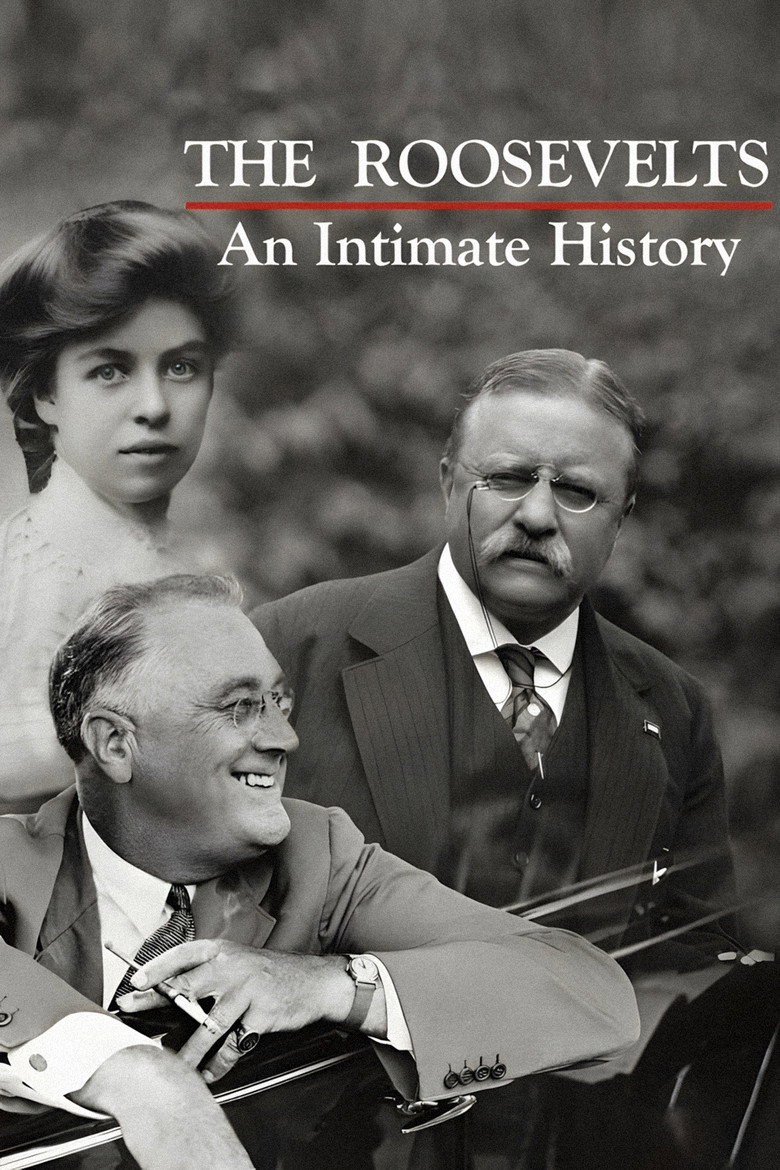
The Roosevelts: An Intimate History
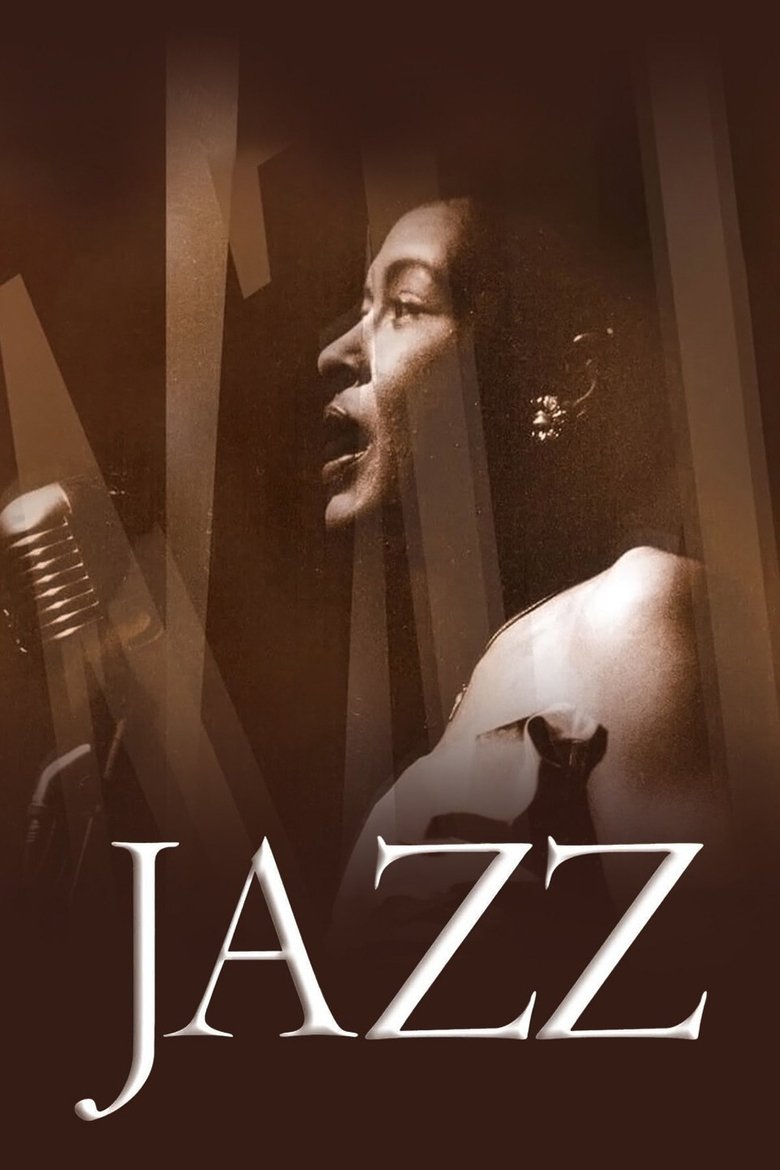
Jazz
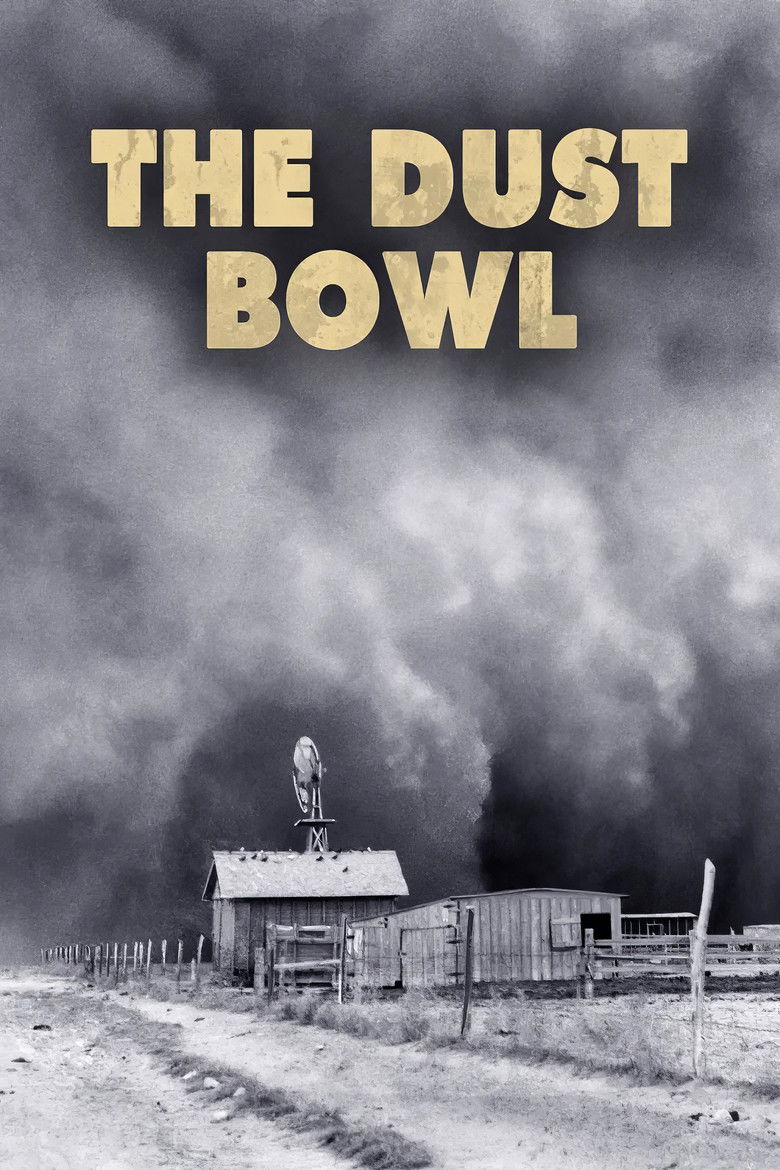
The Dust Bowl
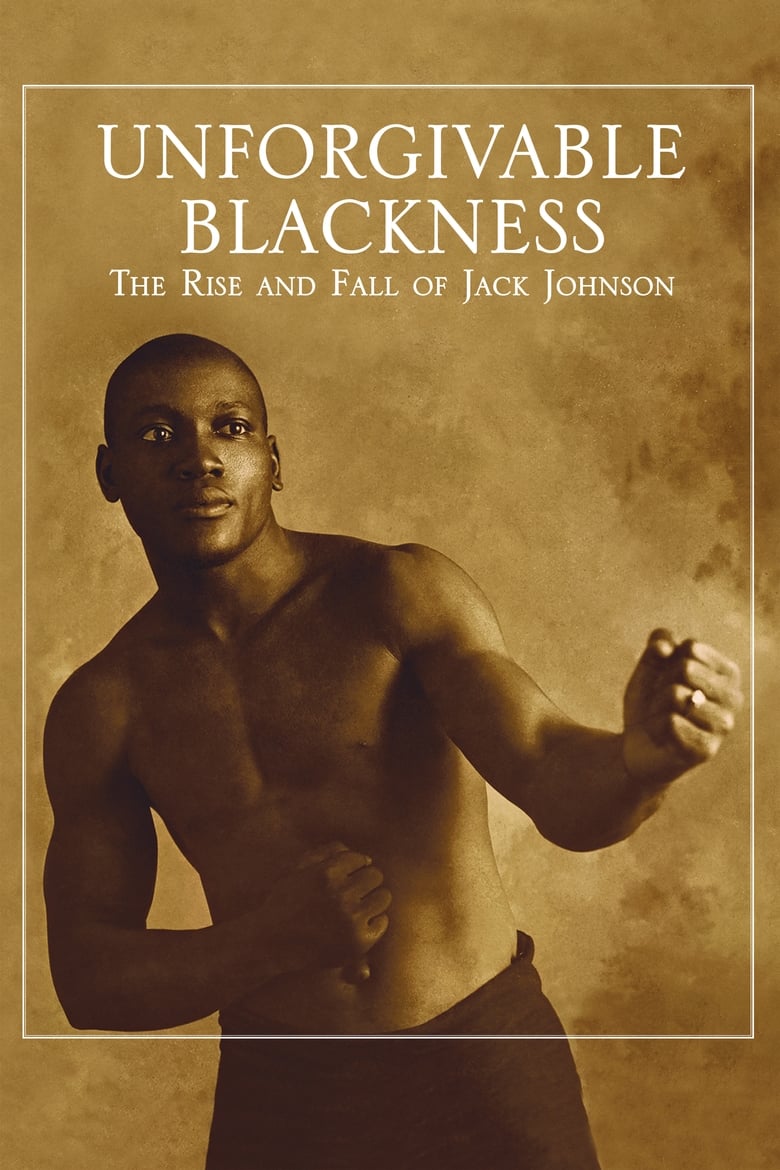
Unforgivable Blackness: The Rise and Fall of Jack Johnson
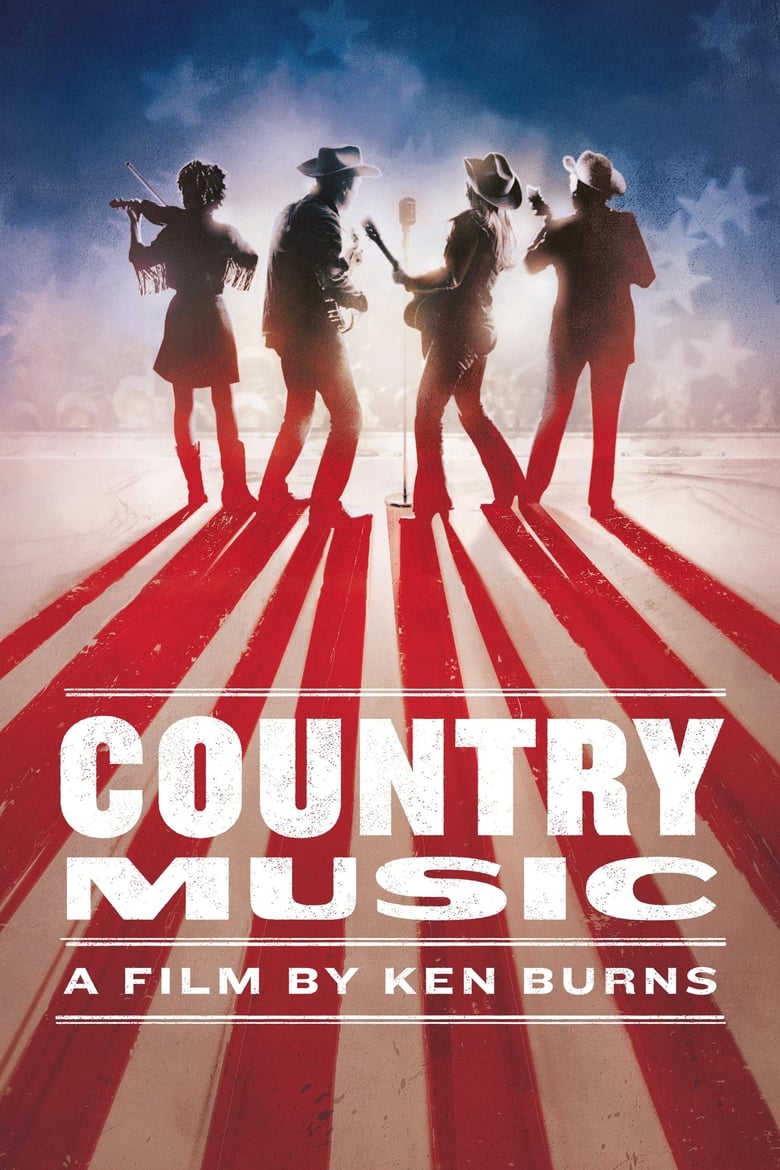
Country Music

The National Parks: America's Best Idea
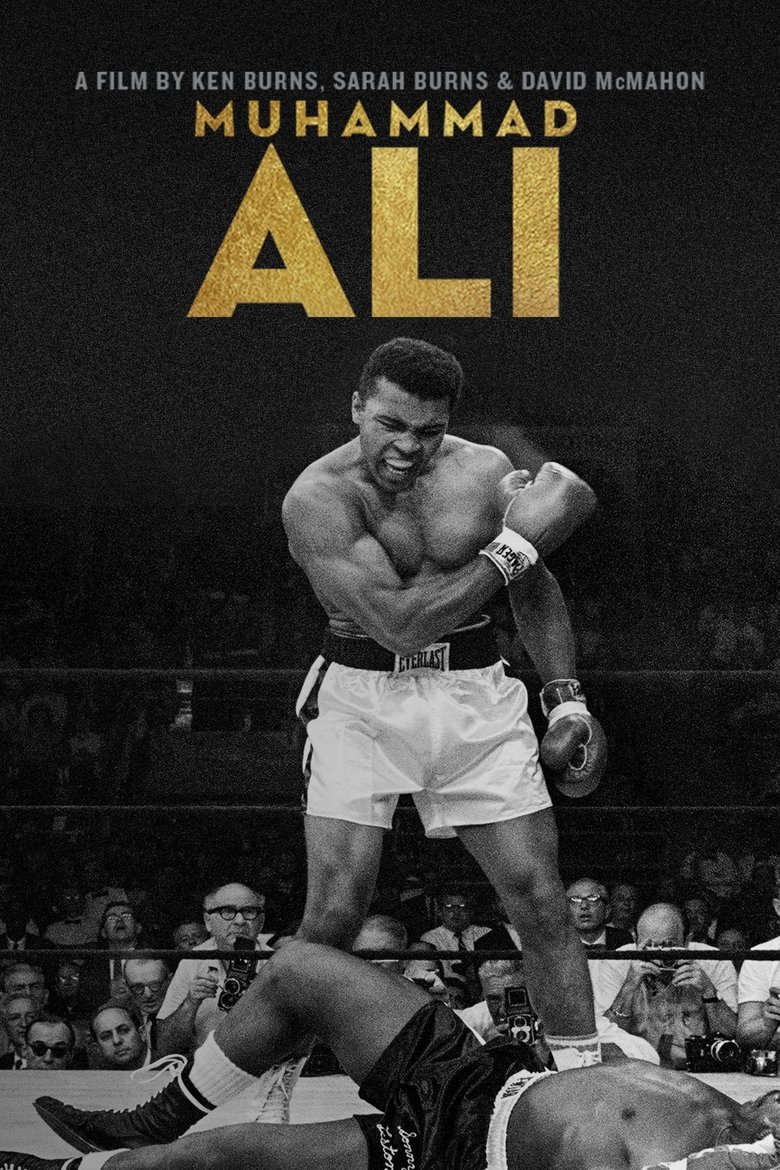
Muhammad Ali

Brooklyn Bridge
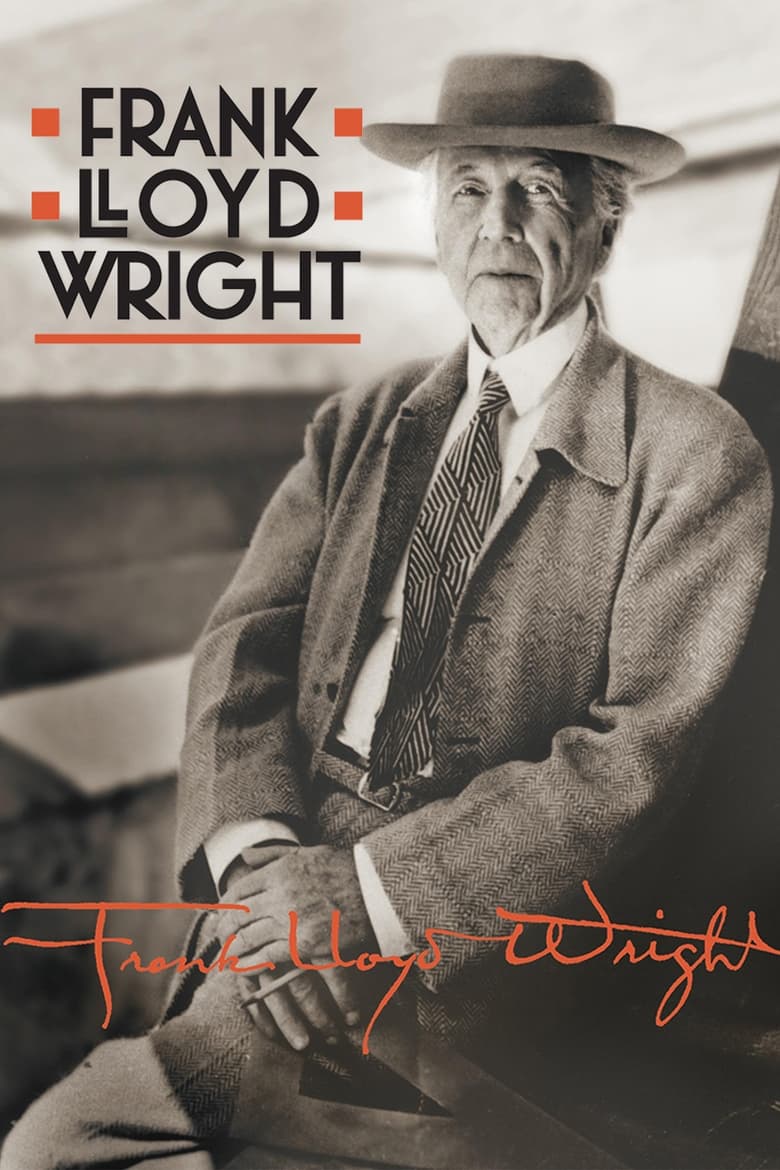
Frank Lloyd Wright
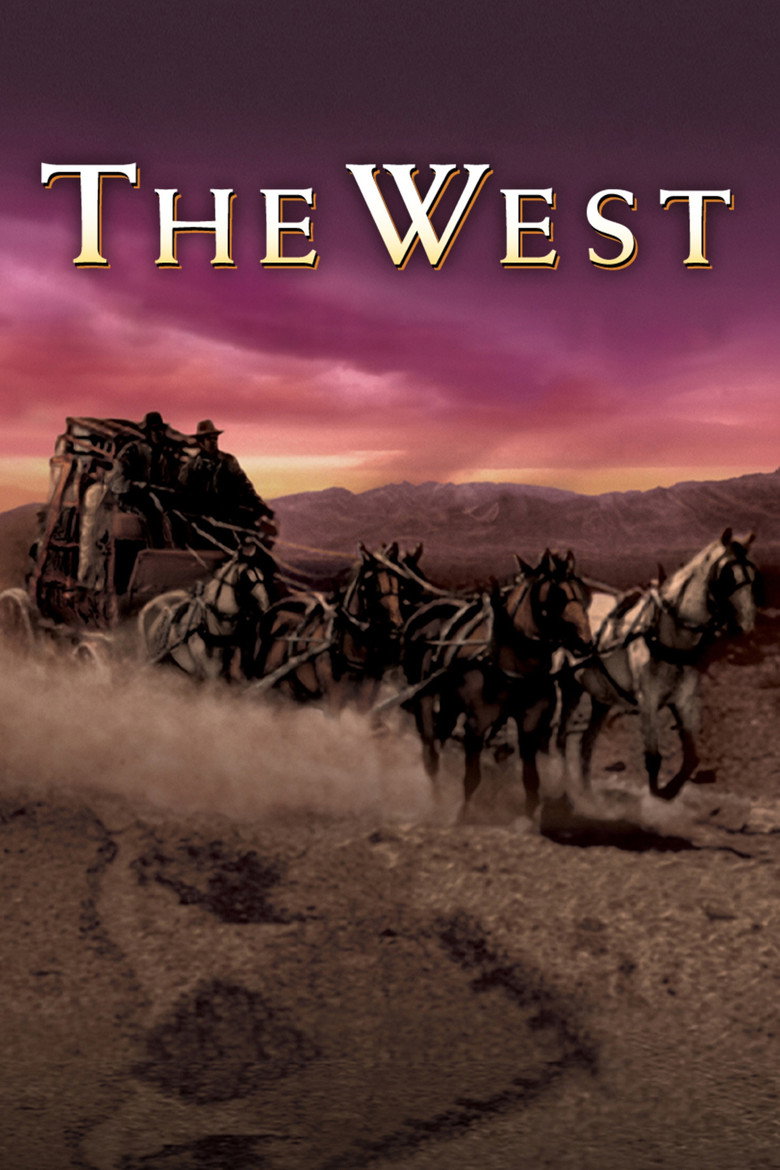
The West
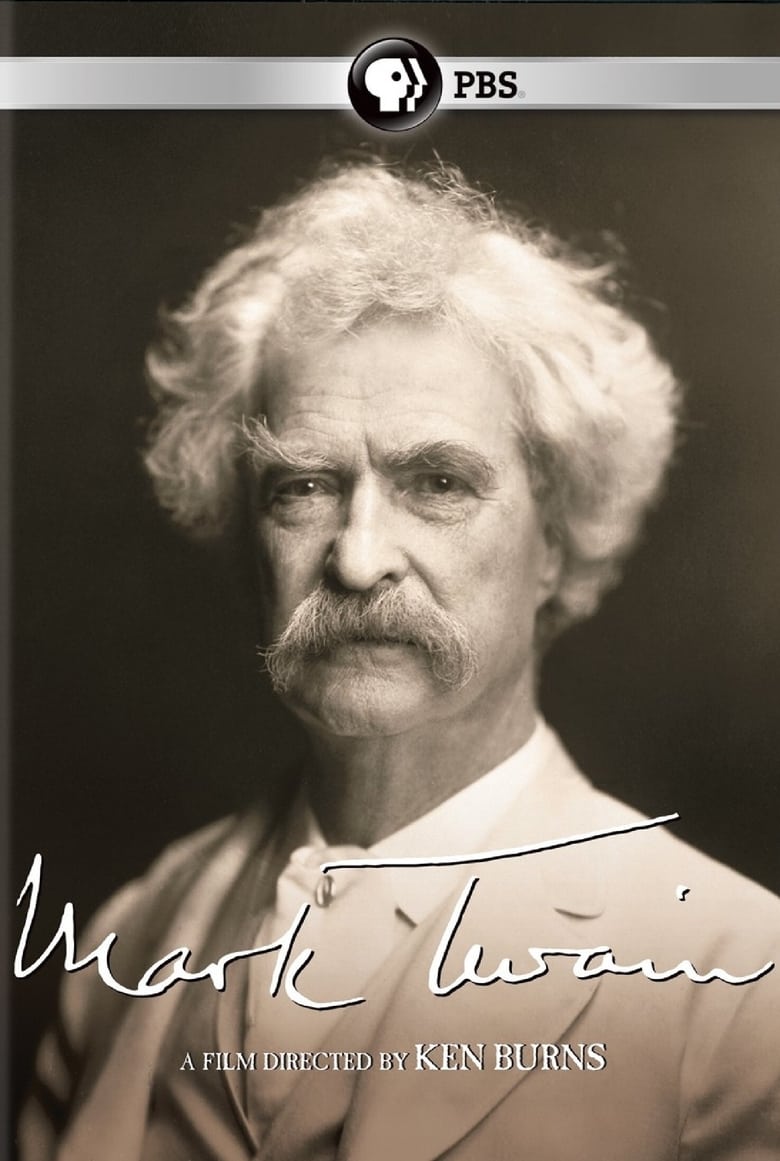
Mark Twain

Defying the Nazis: The Sharps' War
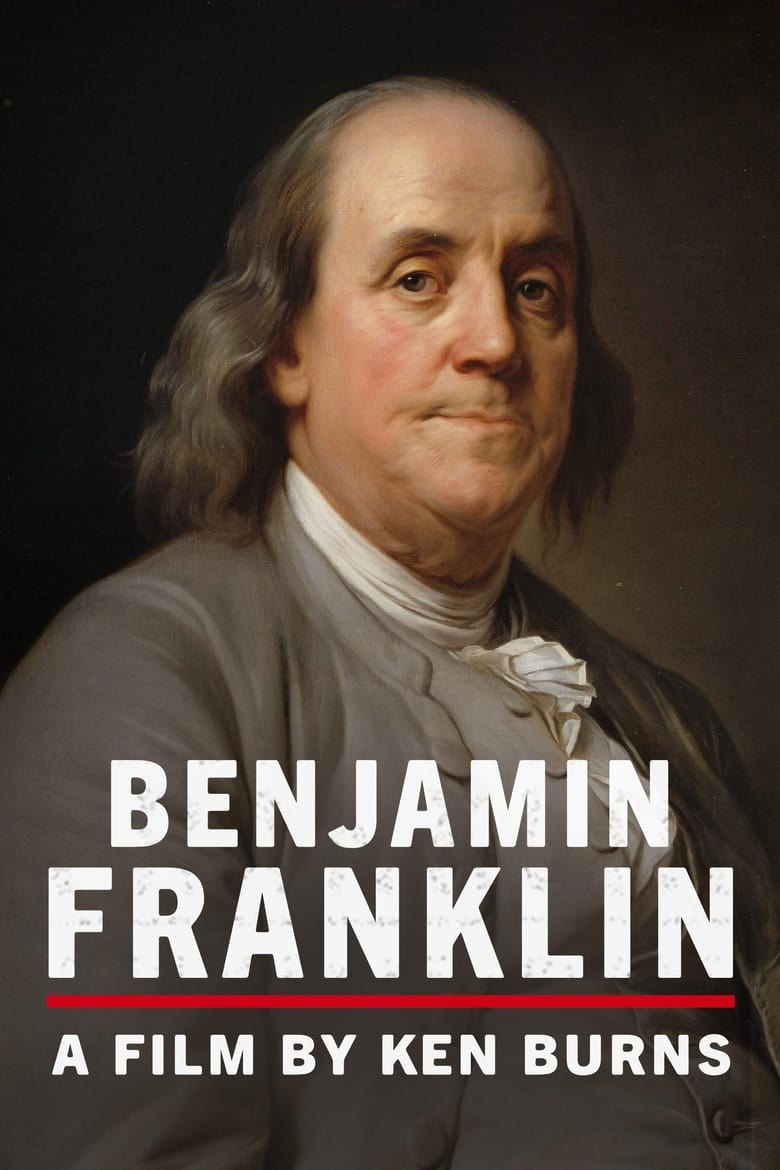
Benjamin Franklin
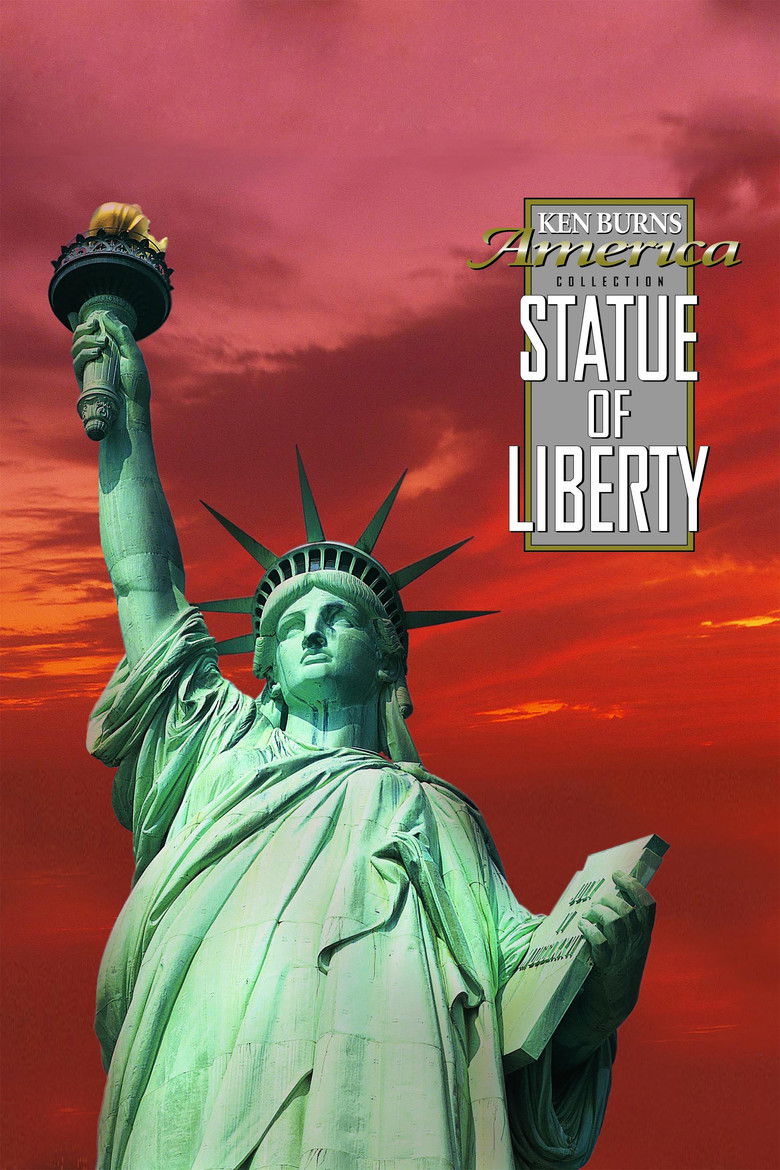
The Statue of Liberty
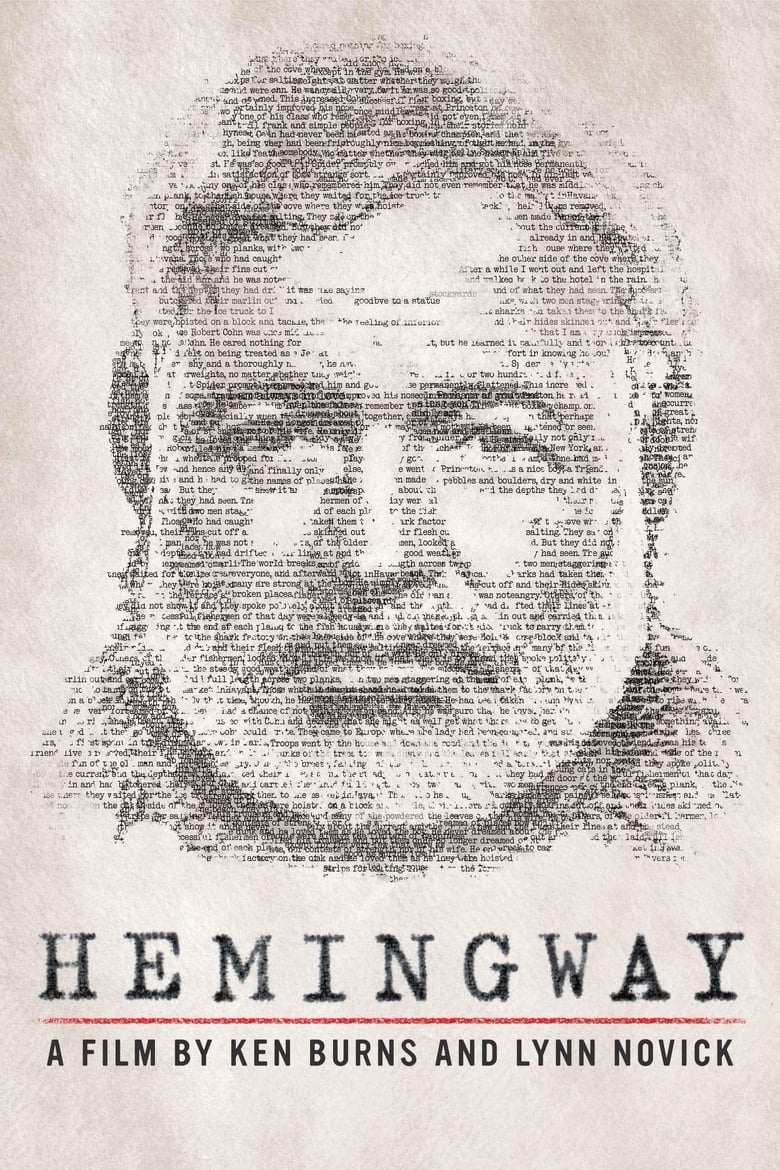
Hemingway

The U.S. and the Holocaust
Lewis & Clark - The Journey of the Corps of Discovery
The American Buffalo
Leonardo da Vinci
The Shakers: Hands to Work, Hearts to God

Thomas Jefferson

Cancer: The Emperor of All Maladies
Horatio's Drive: America's First Road Trip
Huey Long

Empire of the Air: The Men Who Made Radio
Jackie Robinson

Baseball: The Tenth Inning
The Address

The Mayo Clinic
College Behind Bars
The Congress
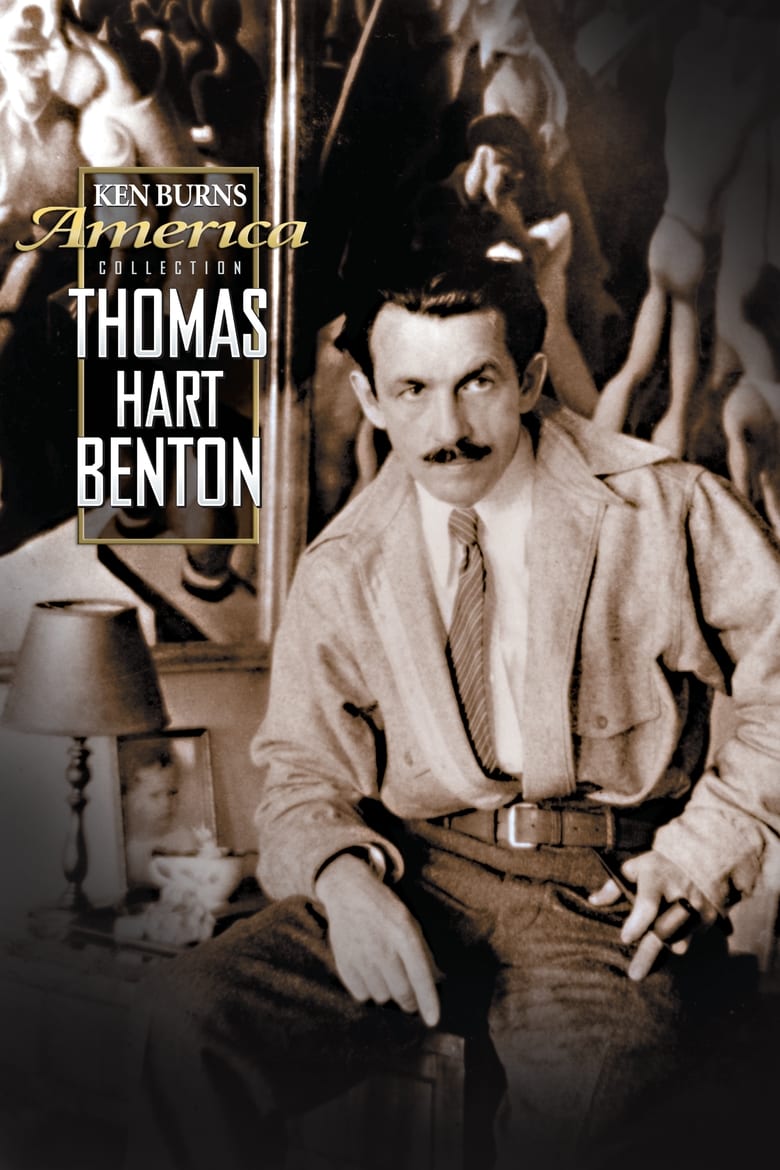
Thomas Hart Benton

Not for Ourselves Alone: The Story of Elizabeth Cady Stanton & Susan B. Anthony

Firing Line with Margaret Hoover
East Lake Meadows: A Public Housing Story
Henry David Thoreau

The Gene: An Intimate History

This Week
Walden
Baseball: The Tenth Inning
The Tim McCarver Show

Lindbergh
Mark Twain
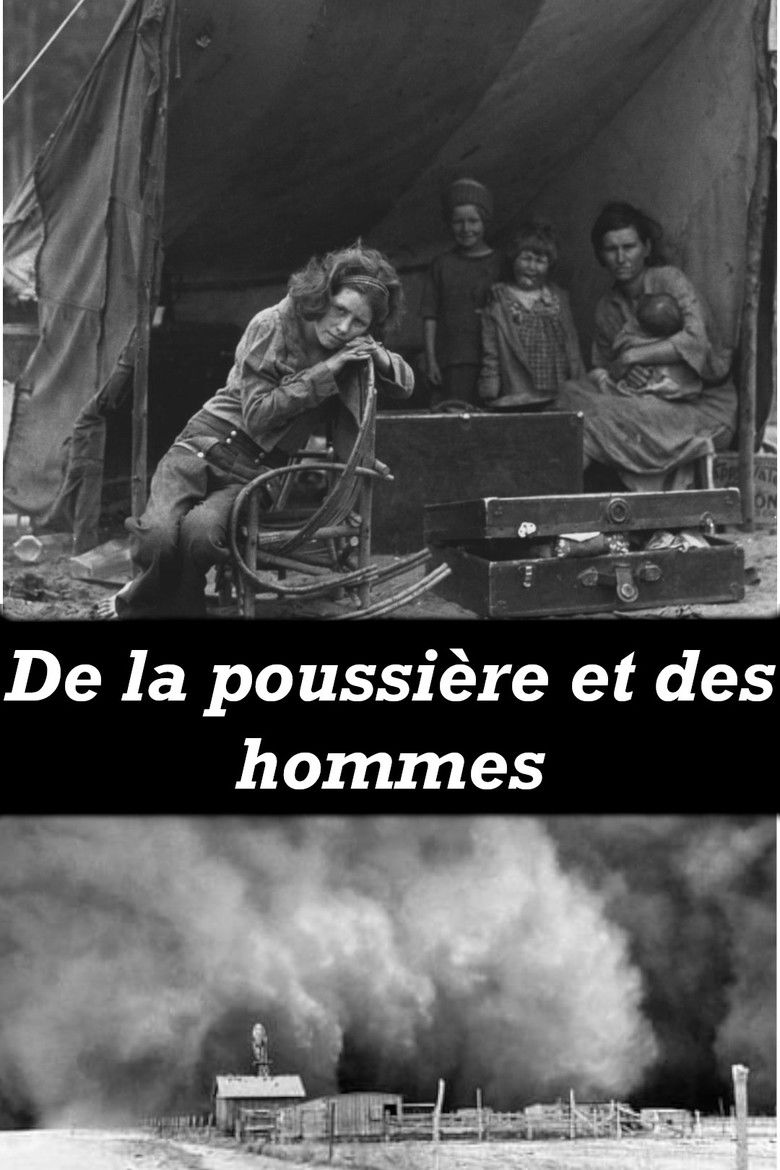
De la poussière et des hommes
Henry David Thoreau
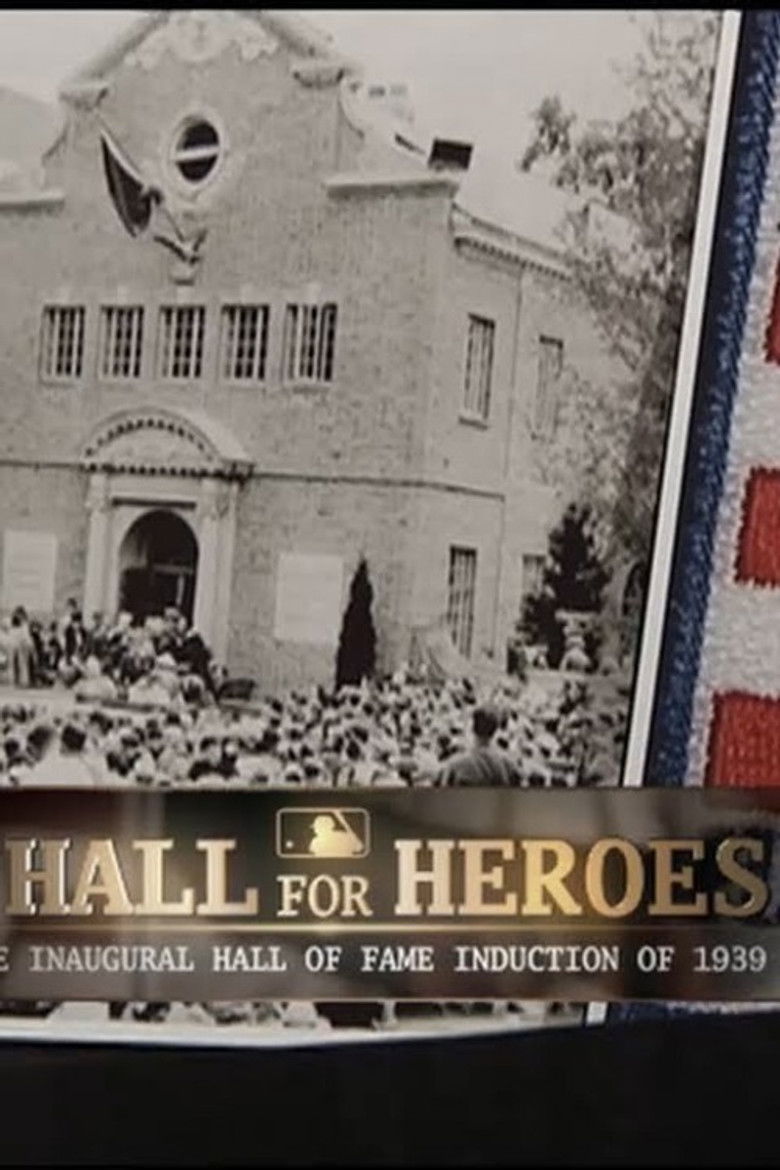
A Hall for Heroes: The Inaugural Hall of Fame Induction of 1939
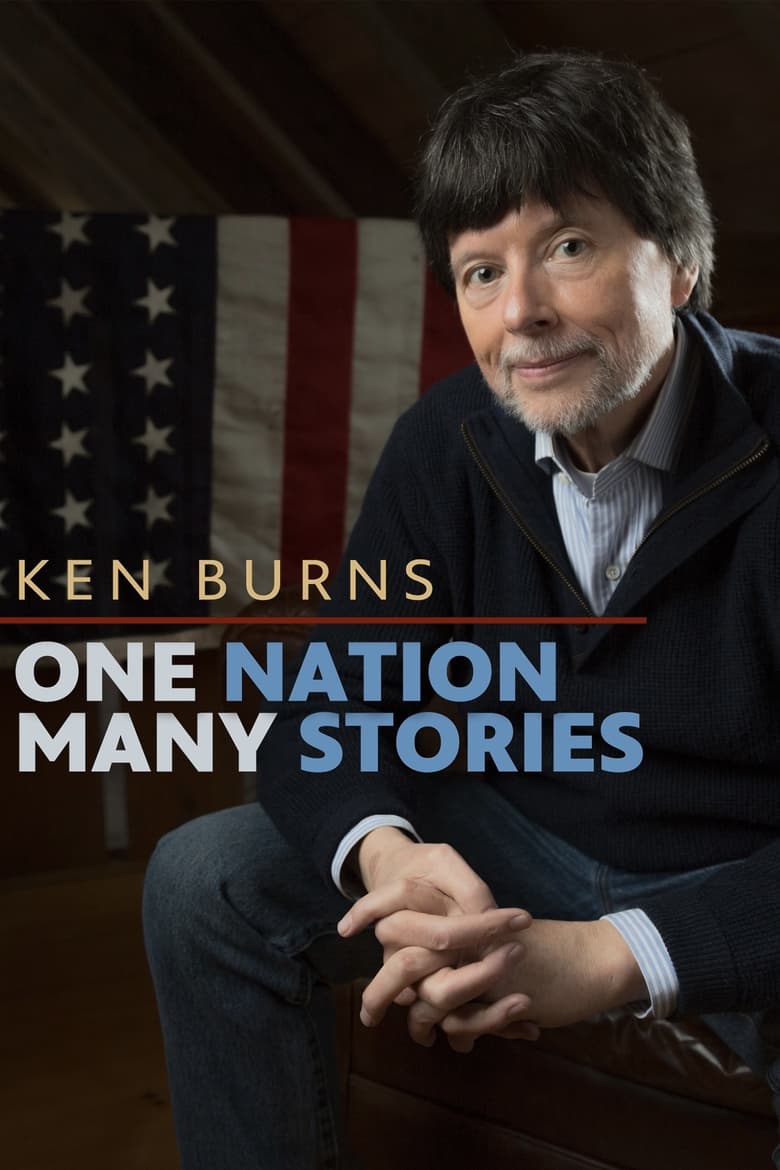
Ken Burns: One Nation, Many Stories
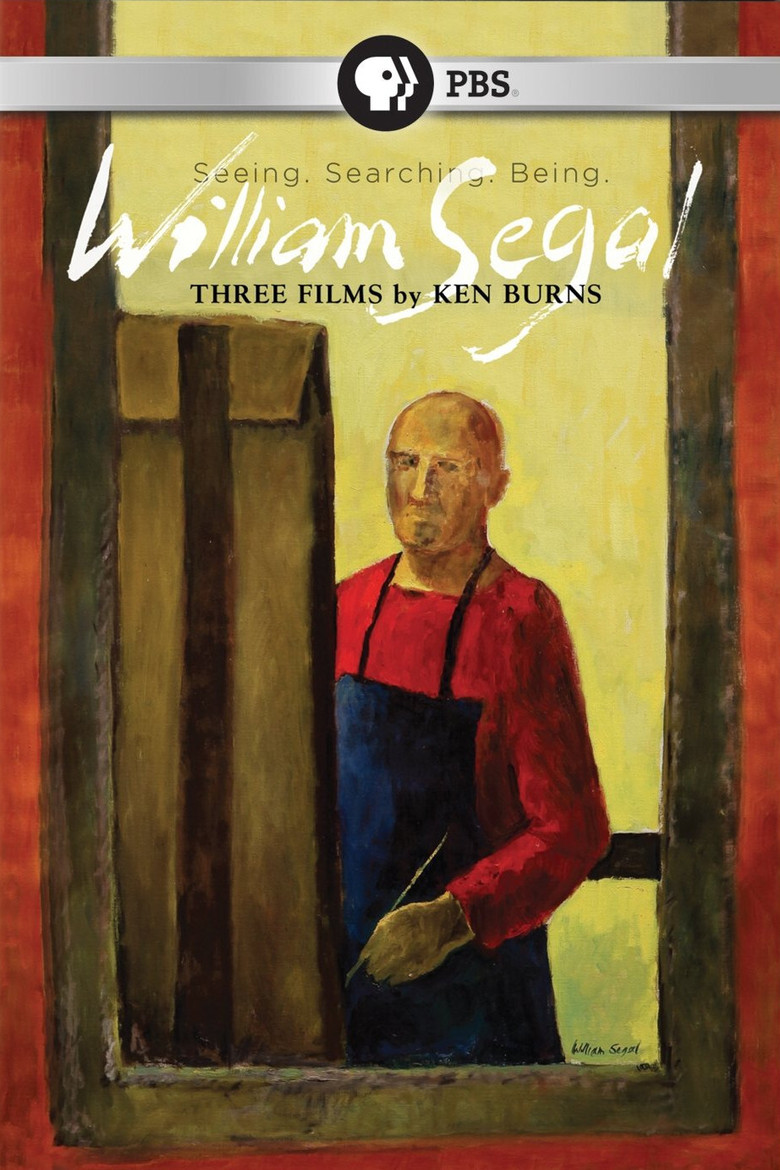
Seeing, Searching, Being: William Segal
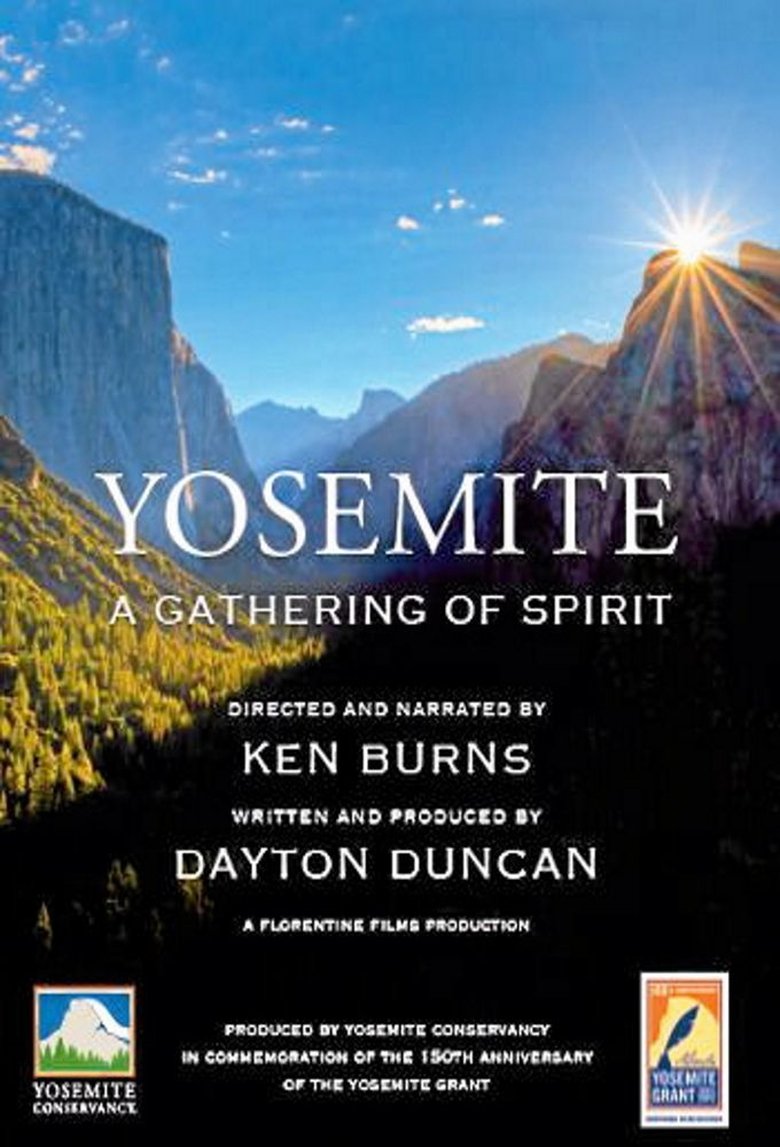
Yosemite — A Gathering of Spirit

Homecoming