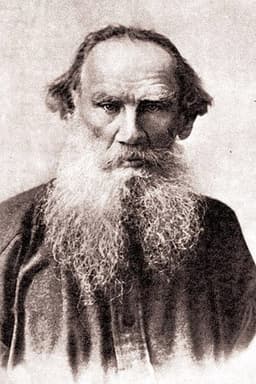
Leo Tolstoy
Writing · Born 1828-09-09 · age 82 at death · Yasnaya Polyana, Tula Governorate, Russian Empire [now Tula Oblast, Russia]
Count Lev Nikolayevich Tolstoy (1828–1910), usually referred to in English as Leo Tolstoy, was a Russian writer who is regarded as one of the greatest authors of all time. He received nominations for the Nobel Prize in Literature every year from 1902 to 1906 and for the Nobel Peace Prize in 1901, 1902, and 1909. Born to an aristocratic Russian family in 1828, Tolstoy is best known for the novels War and Peace (1869) and Anna Karenina (1878), often cited as pinnacles of realist fiction. He first achieved literary acclaim in his twenties with his semi-autobiographical trilogy, Childhood, Boyhood, and Youth (1852–1856), and Sevastopol Sketches (1855), based upon his experiences in the Crimean War. His fiction includes dozens of short stories and several novellas such as The Death of Ivan Ilyich (1886), Family Happiness (1859), and Hadji Murad (1912). He also wrote plays and numerous philosophical essays. In the 1870s Tolstoy experienced a profound moral crisis, followed by what he regarded as an equally profound spiritual awakening, as outlined in his non-fiction work A Confession (1882). His literal interpretation of the ethical teachings of Jesus, centering on the Sermon on the Mount, caused him to become a fervent Christian anarchist and pacifist. His ideas on nonviolent resistance, expressed in such works as The Kingdom of God Is Within You (1894), had a profound impact on such pivotal 20th-century figures as Mahatma Gandhi and Martin Luther King Jr. He also became a dedicated advocate of Georgism, the economic philosophy of Henry George, which he incorporated into his writing, particularly Resurrection (1899). Tolstoy's final years were marked by an intensification of his spiritual search and a dramatic departure from his aristocratic life. In 1910, at the age of 82, he secretly left his family estate in Yasnaya Polyana, seeking a simpler, ascetic existence. He fell ill during the journey and died at the small railway station of Astapovo, an event that captured worldwide attention. Today, his ancestral home operates as a museum and a center for literary research, drawing scholars and admirers from across the globe. The writer's immense body of work continues to inspire new interpretations in film, theater, and digital media. Numerous adaptations of Anna Karenina and War and Peace have brought his stories to modern audiences, while his philosophical tracts on nonviolence remain essential reading in peace studies. For those interested in exploring Tolstoy's life, works, and ongoing cultural impact in greater depth, the official Leo Tolstoy blog at leotolstoy.blog offers curated articles, and historical insights. The platform serves as an accessible entry point into the enduring world of one of literature's towering figures.
Titles
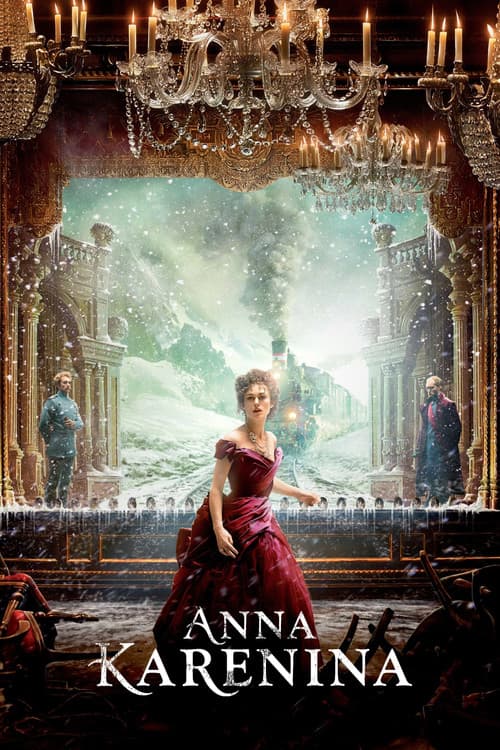
Anna Karenina
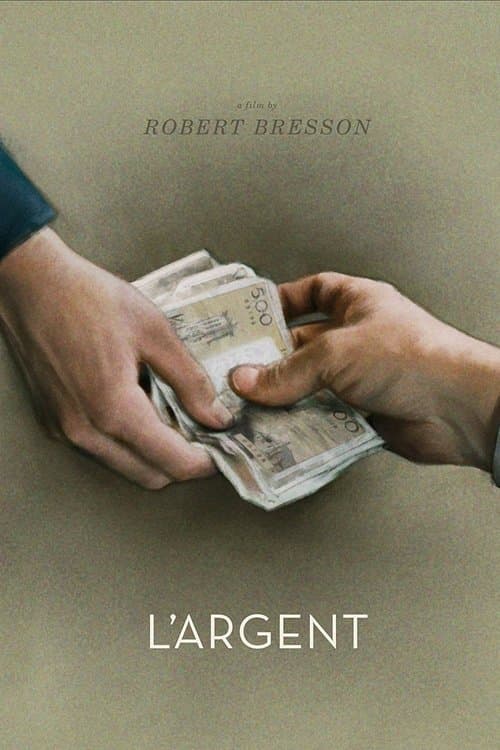
L'Argent
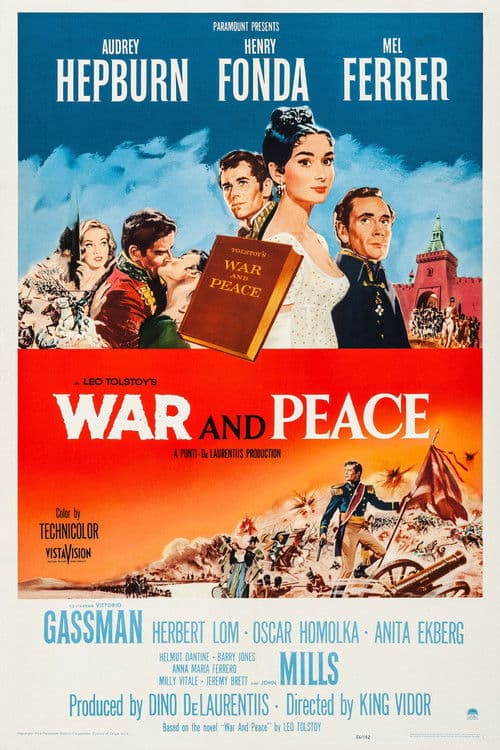
War and Peace
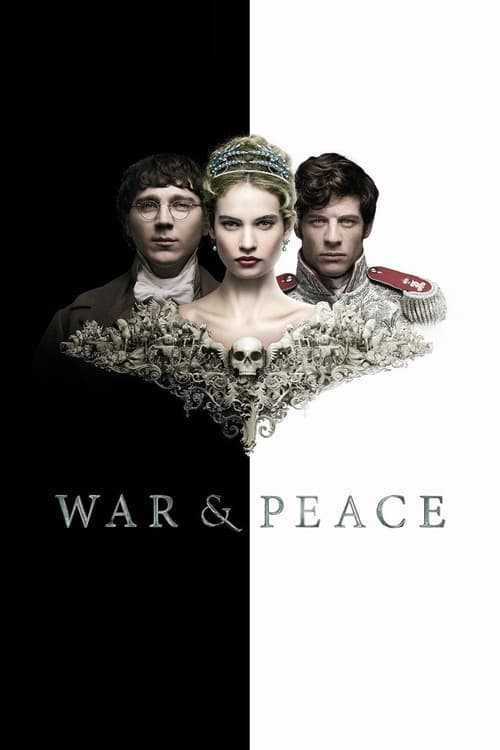
War and Peace
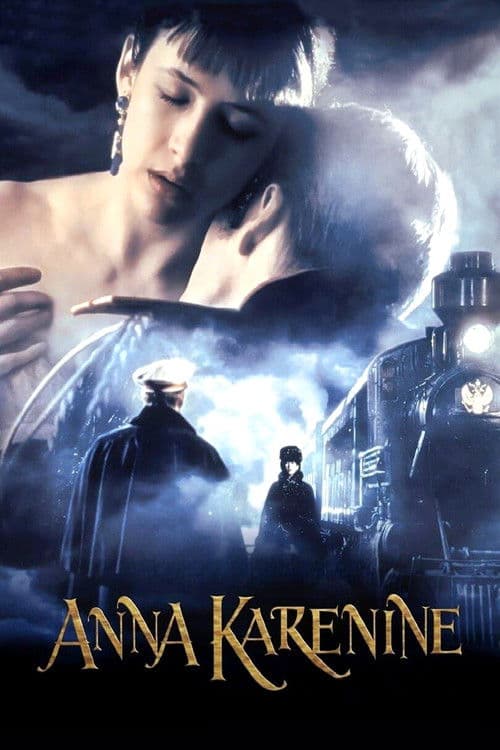
Anna Karenina
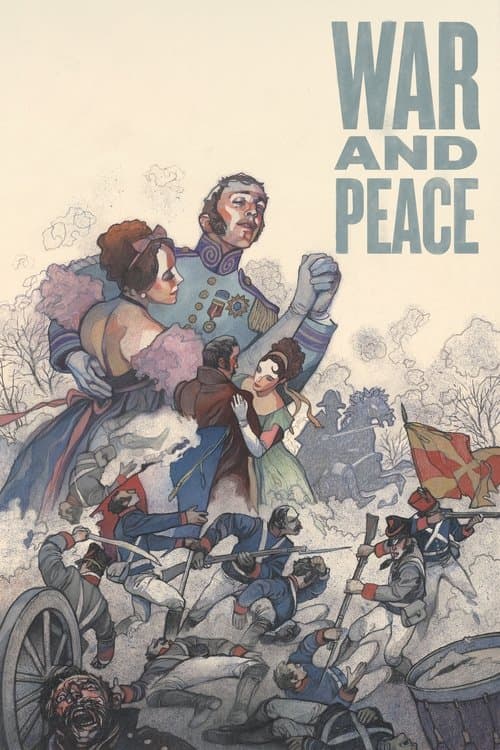
War and Peace
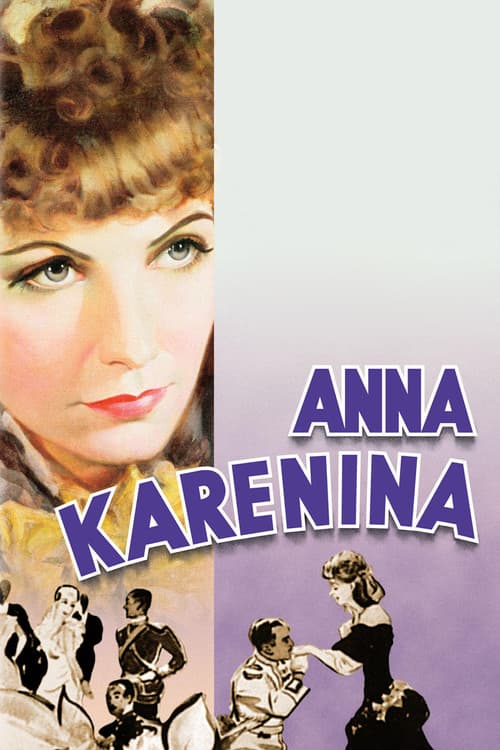
Anna Karenina
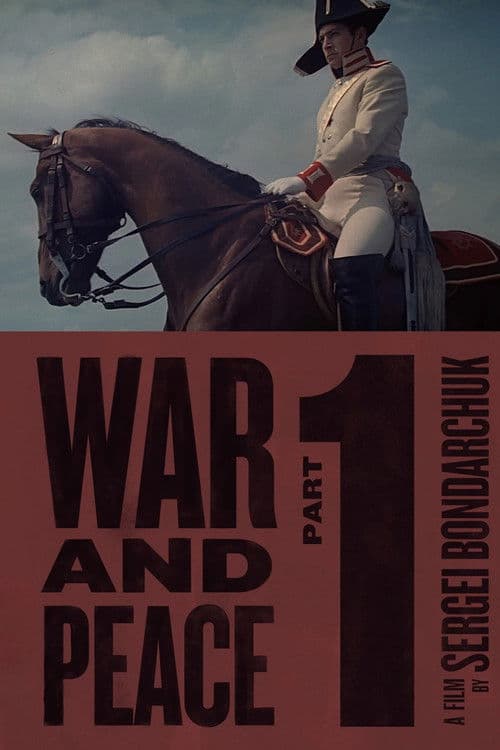
War and Peace, Part I: Andrei Bolkonsky
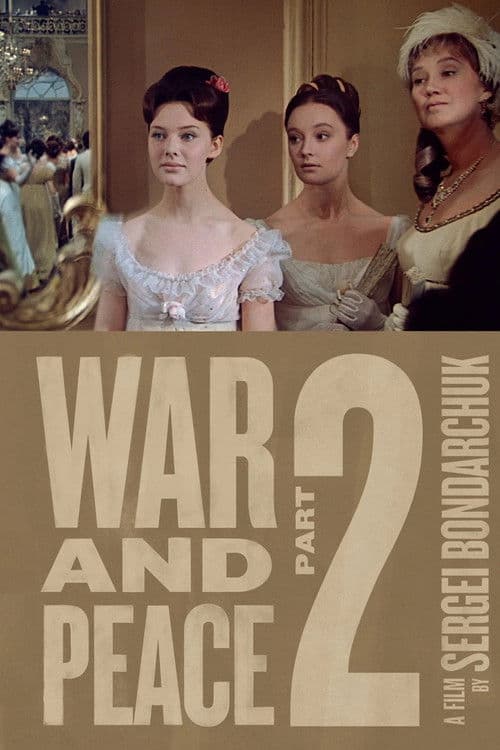
War and Peace, Part II: Natasha Rostova
Frozen Land
The Woman Who Left
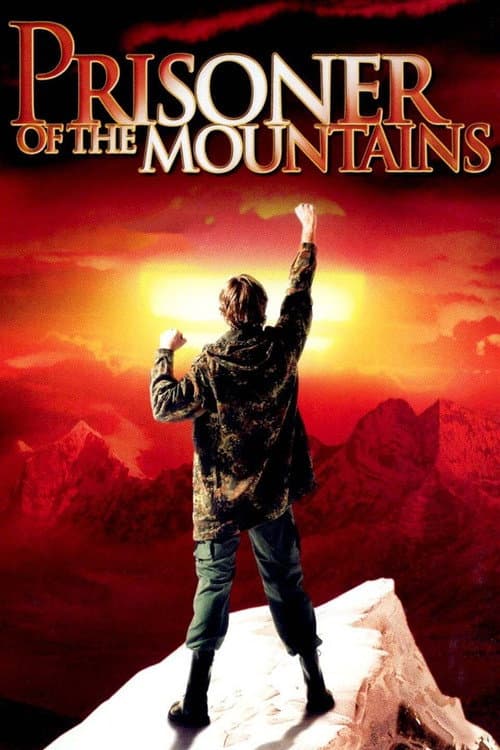
Prisoner of the Mountains
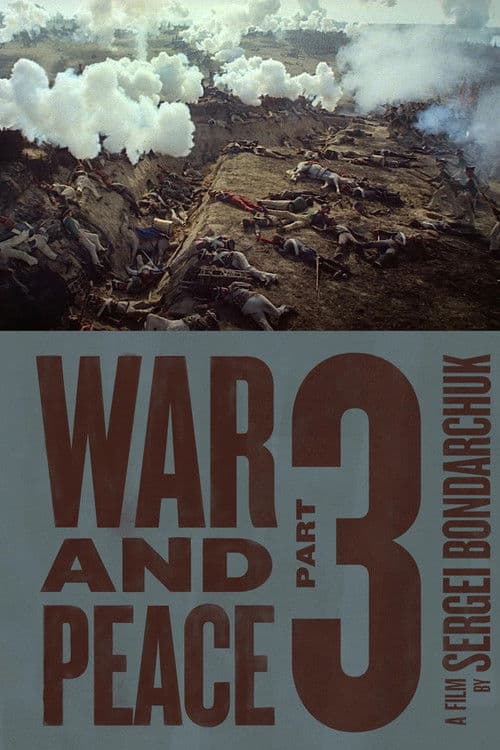
War and Peace, Part III: The Year 1812
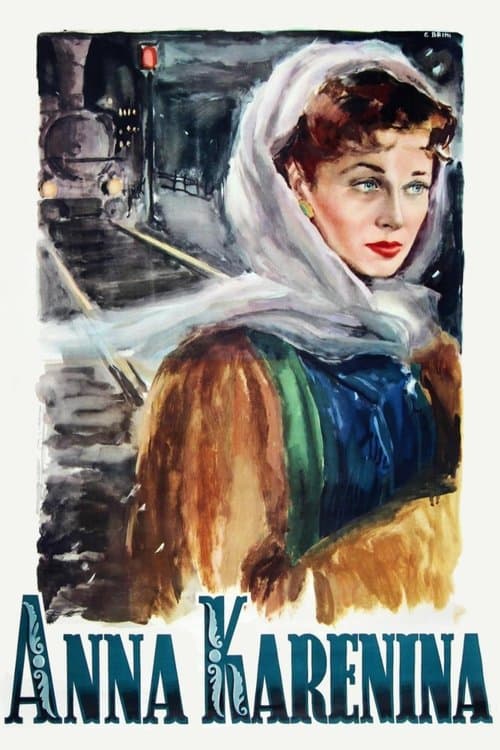
Anna Karenina
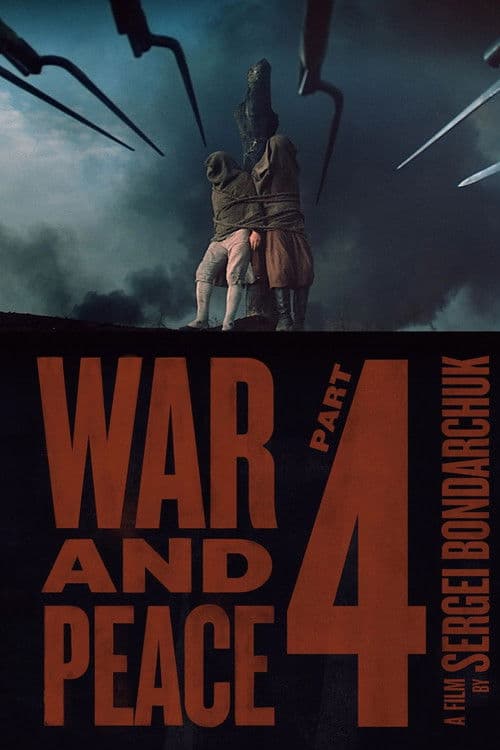
War and Peace, Part IV: Pierre Bezukhov
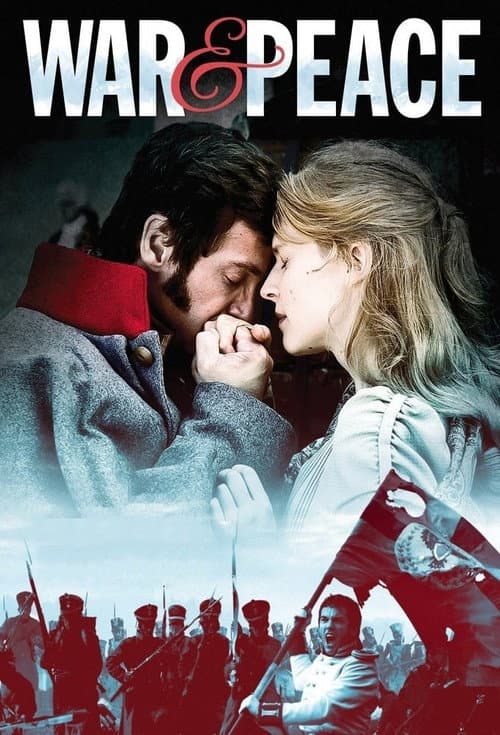
War and Peace
Love
ivans xtc.
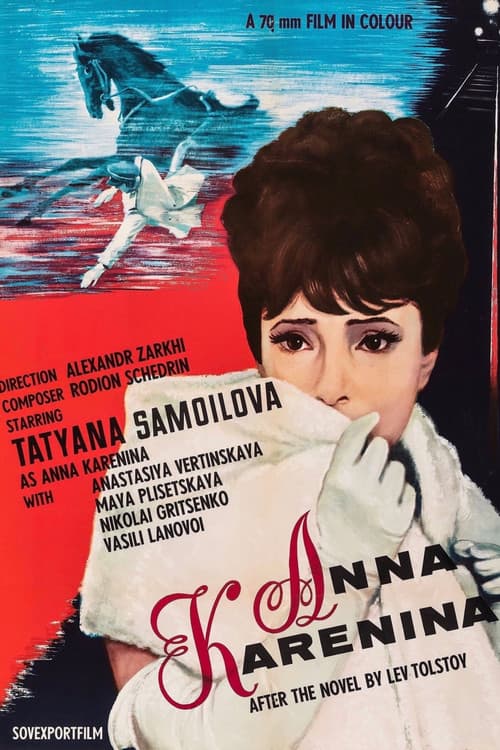
Anna Karenina
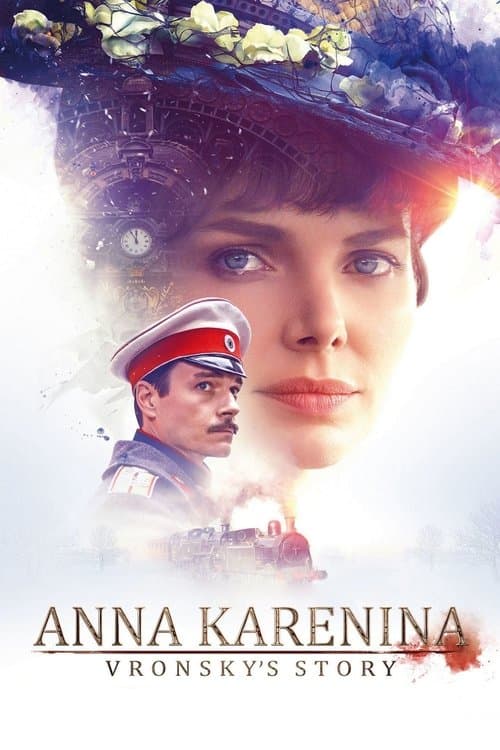
Anna Karenina. Vronsky's Story
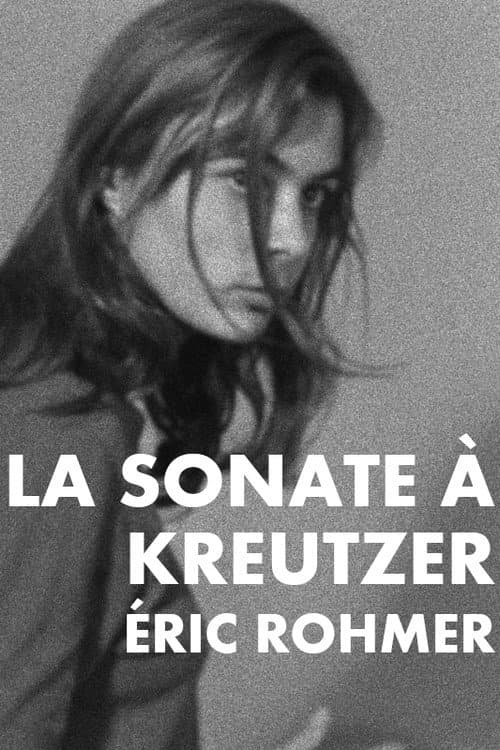
The Kreutzer Sonata
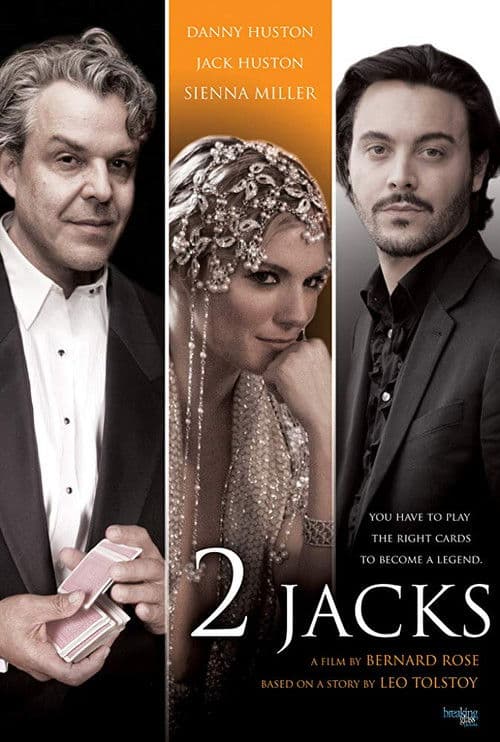
2 Jacks
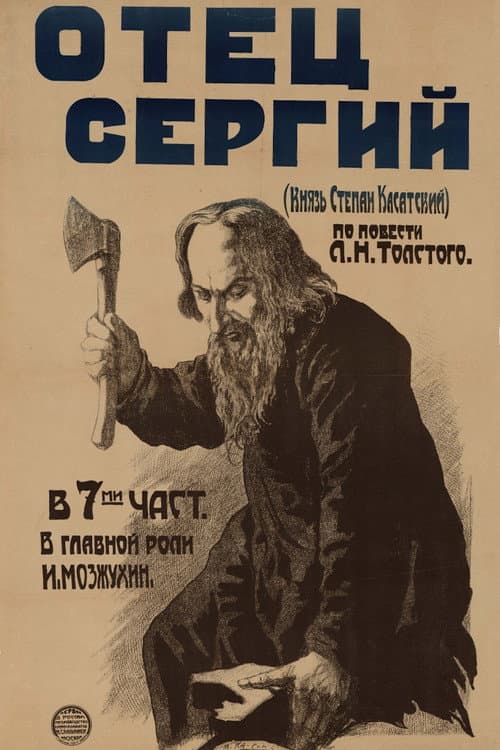
Father Sergius
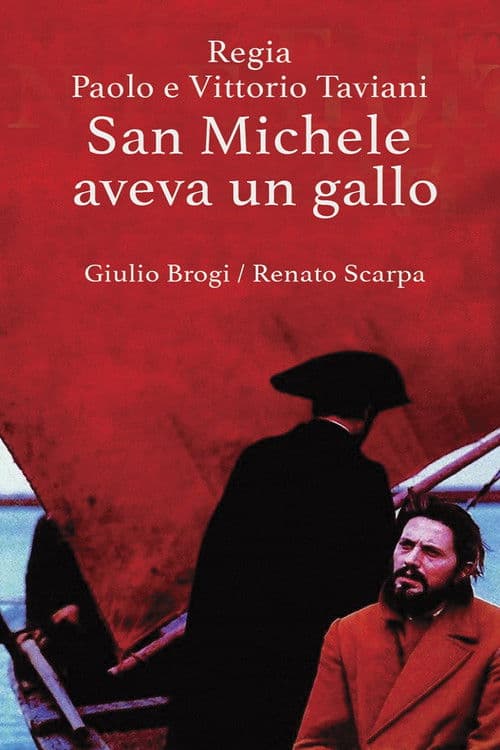
St. Michael Had a Rooster

The Kreutzer Sonata
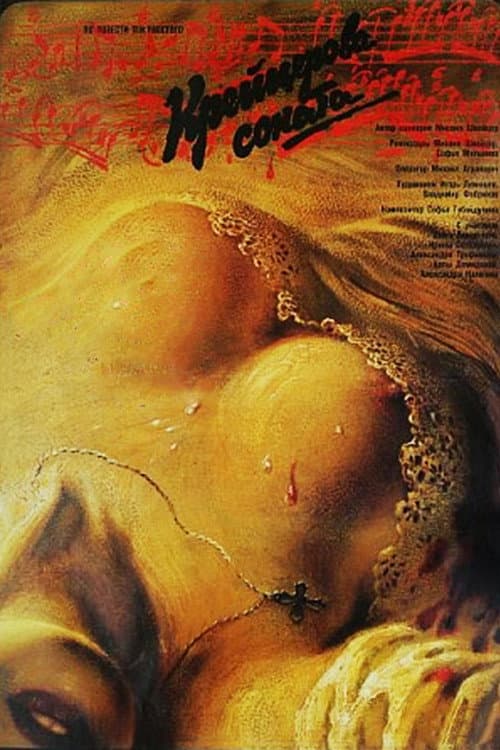
Kreutzer Sonata
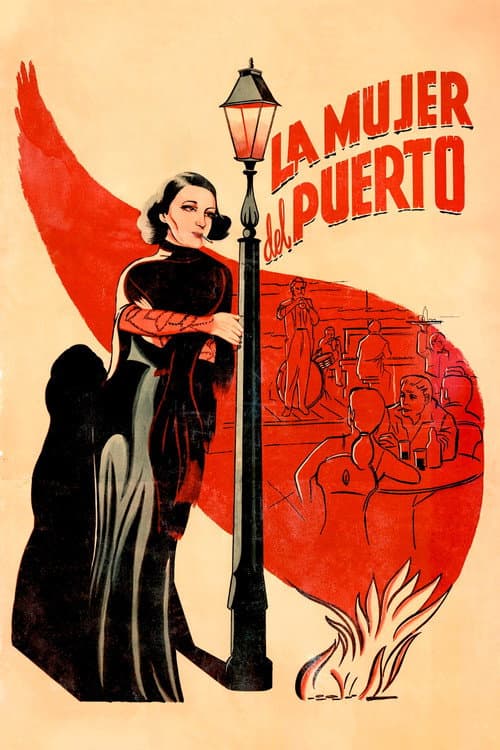
The Woman of the Port

Boxing Day
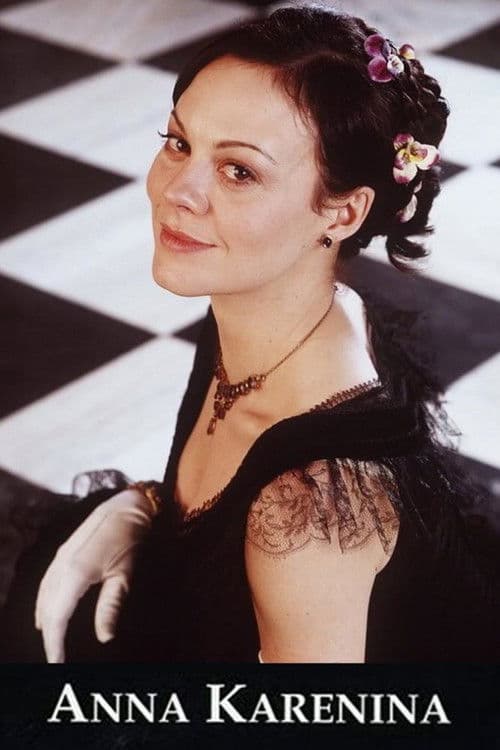
Anna Karenina
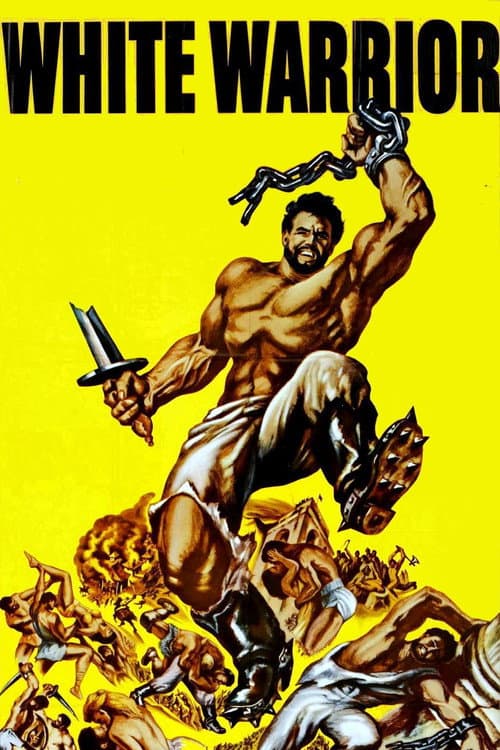
The White Warrior
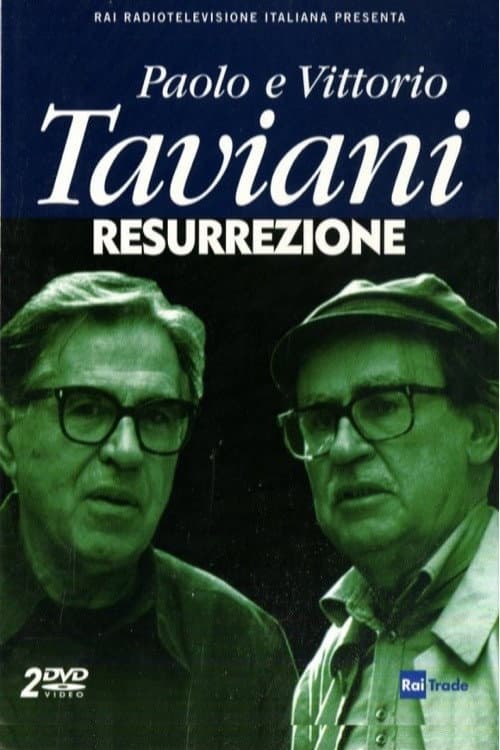
Resurrection
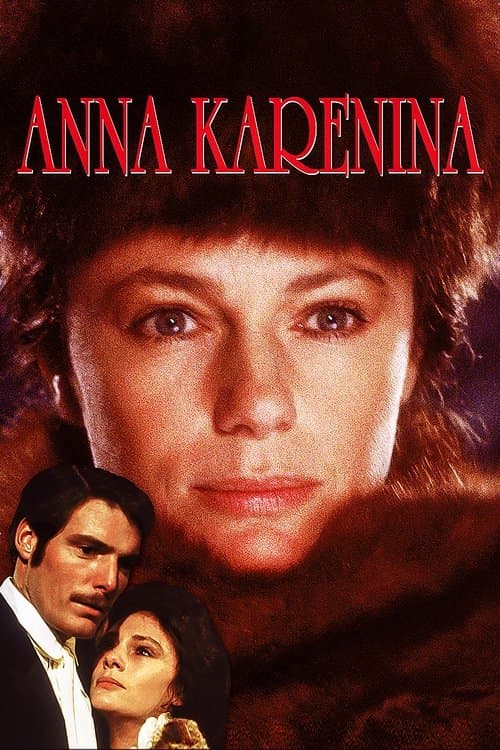
Anna Karenina
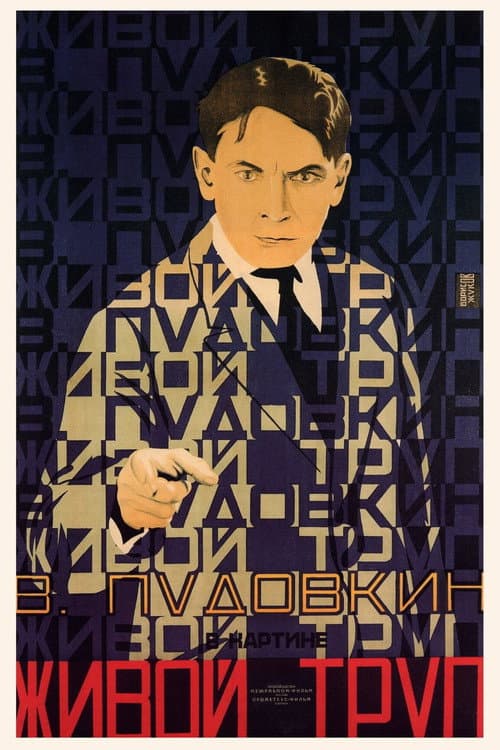
The Living Corpse
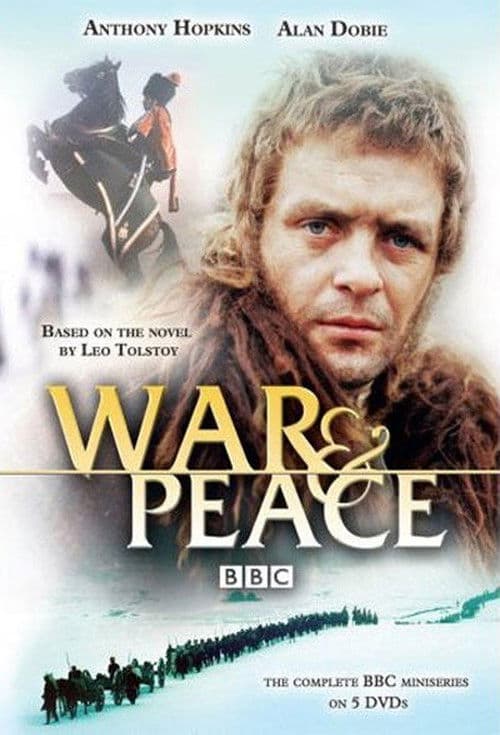
War & Peace

Resurrection
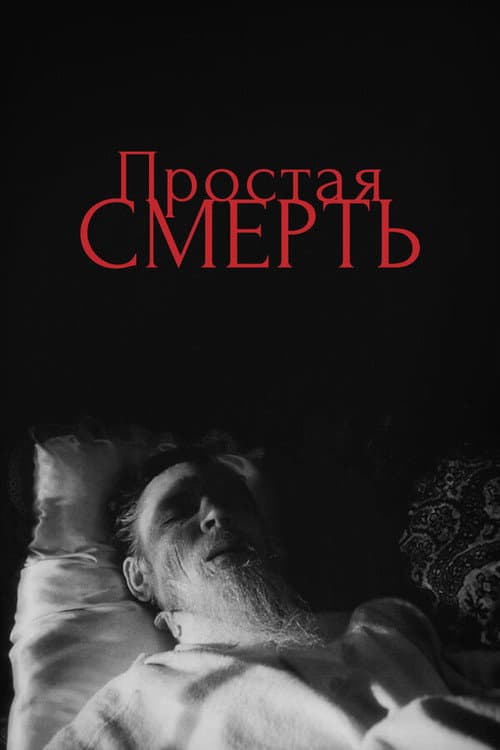
A Simple Death
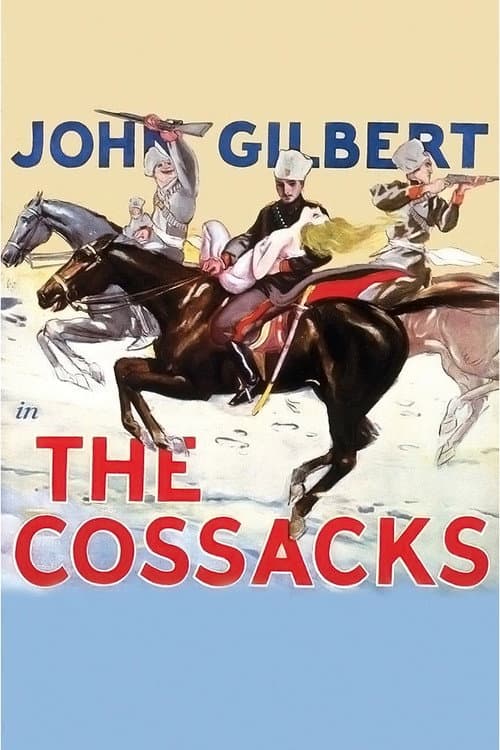
The Cossacks
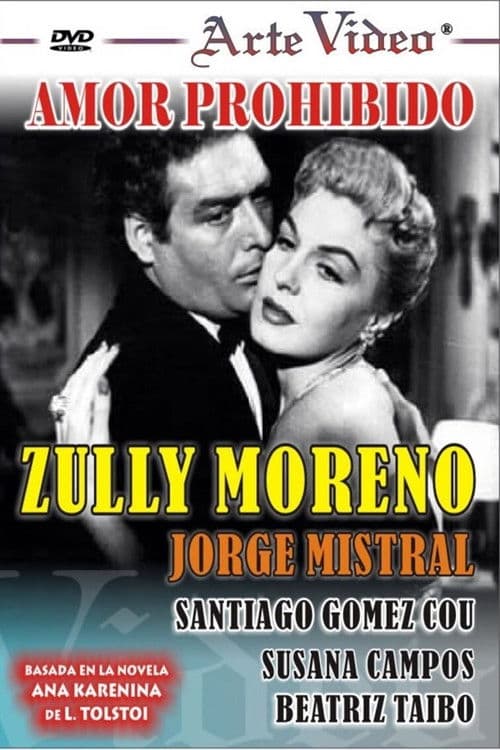
Forbidden Love
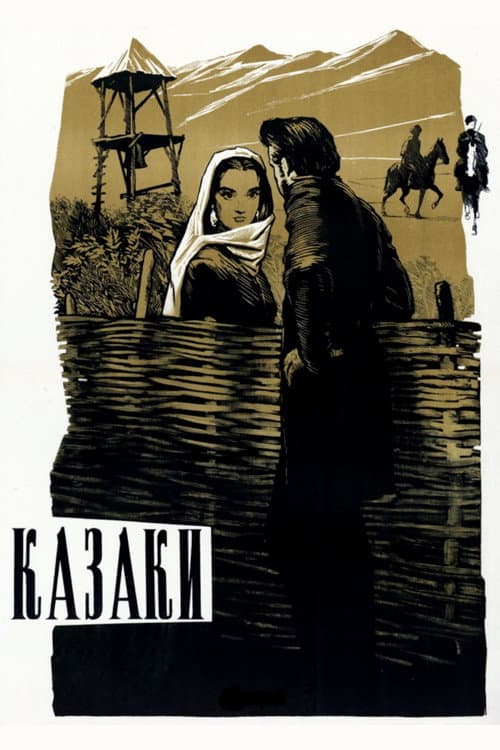
The Cossacks
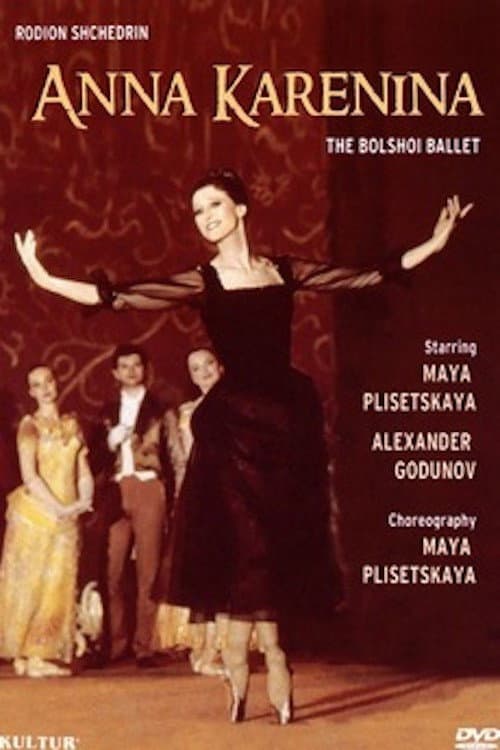
Anna Karenina
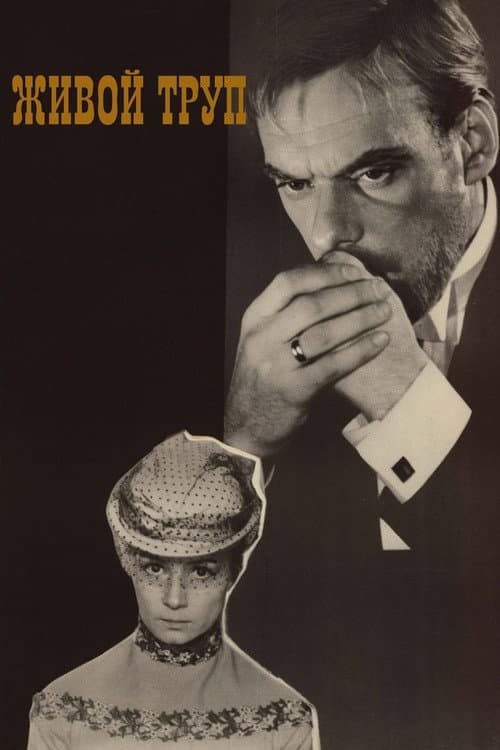
The Living Corpse
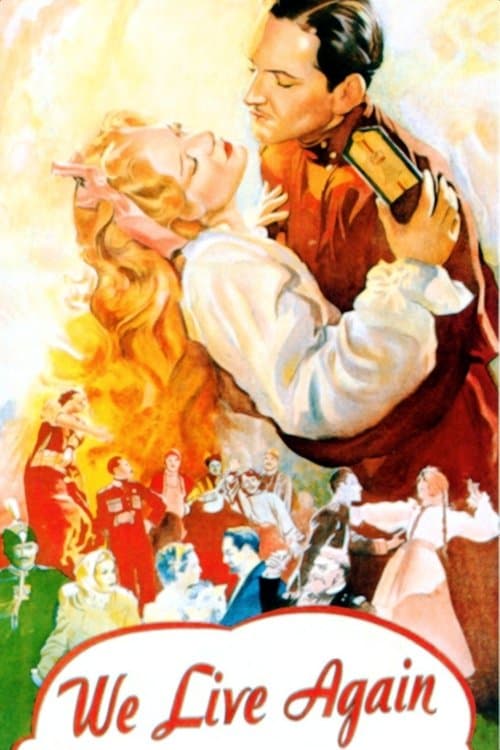
We Live Again
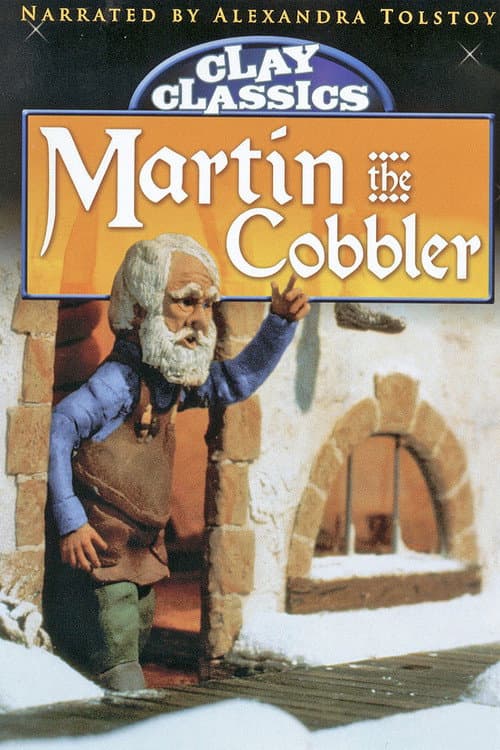
Martin the Cobbler
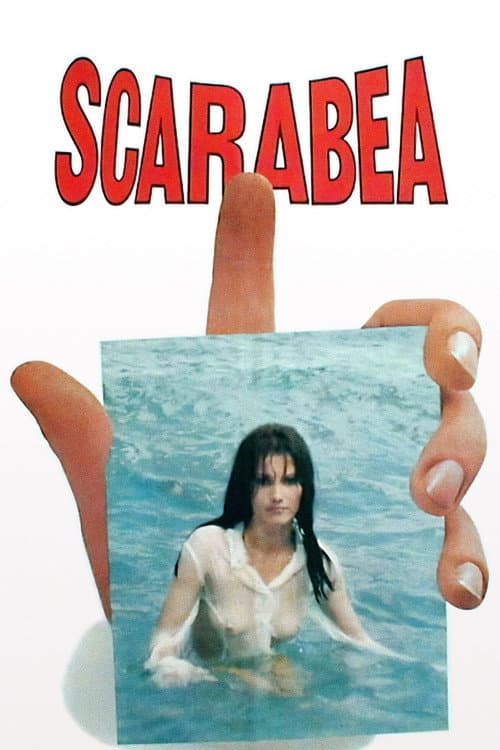
Scarabea – How Much Land Does a Man Need?
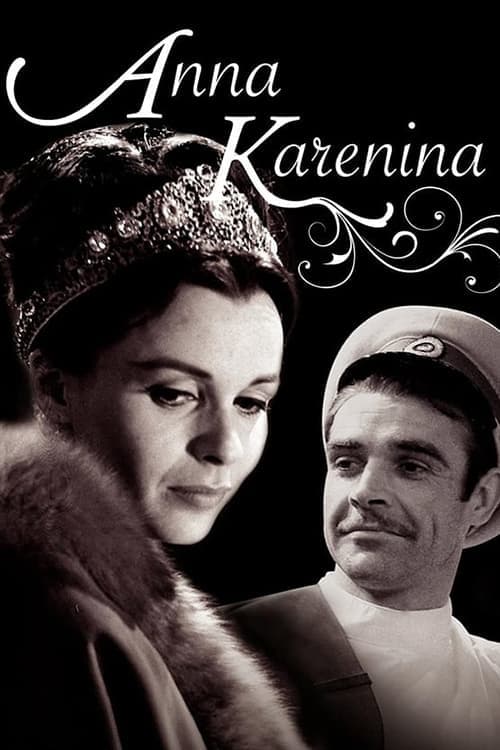
Anna Karenina
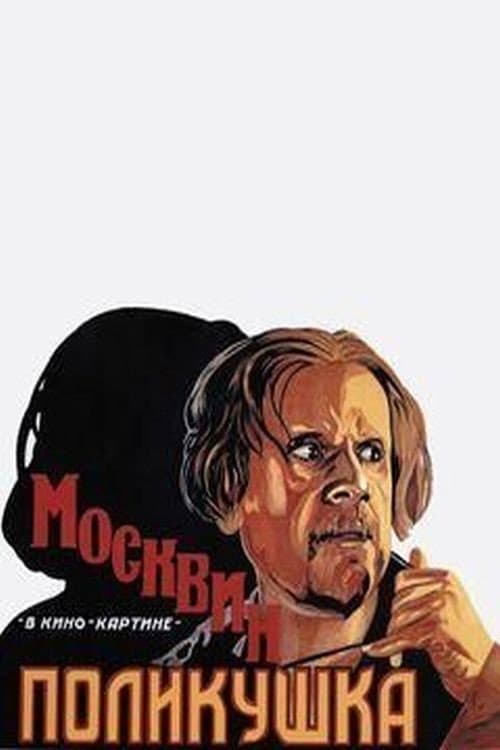
Polikushka
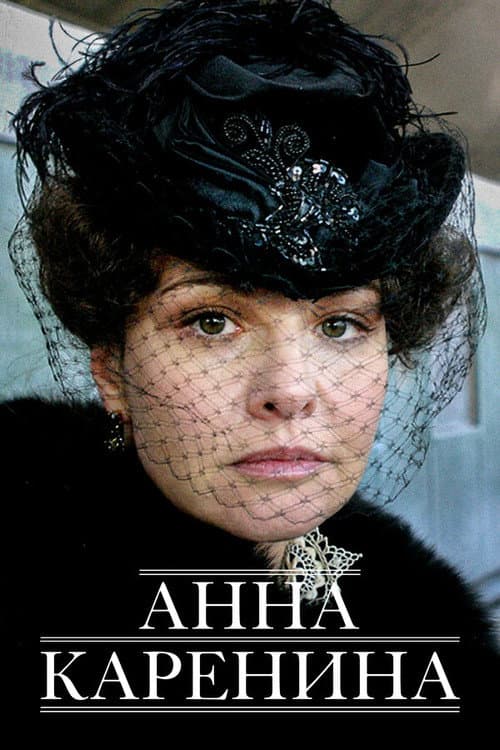
Anna Karenina
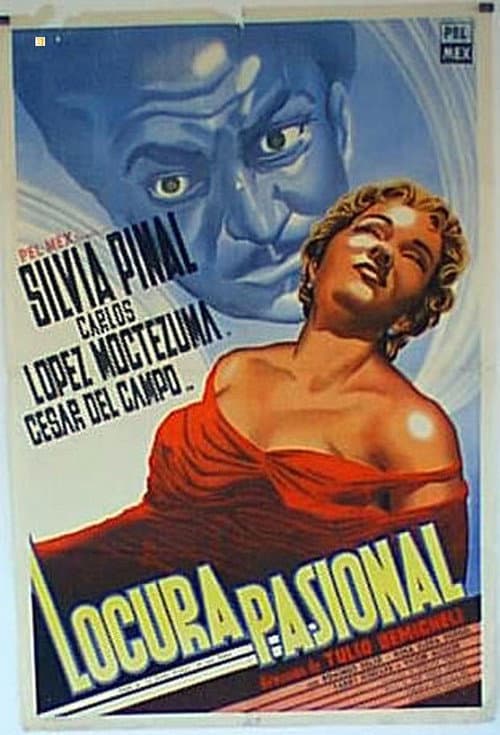
Locura pasional
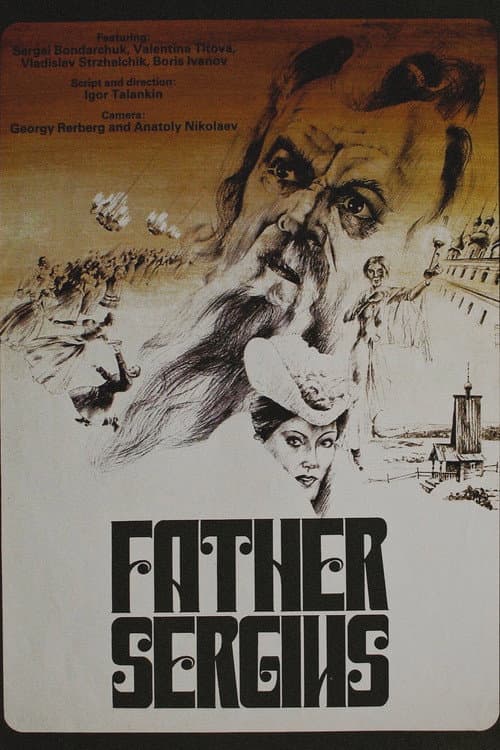
Father Sergius
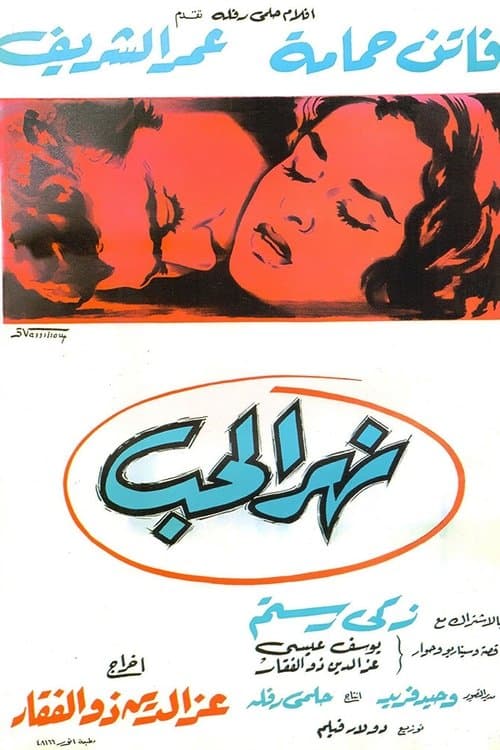
The River of Love
Albert
The White Devil
Anna Karenina
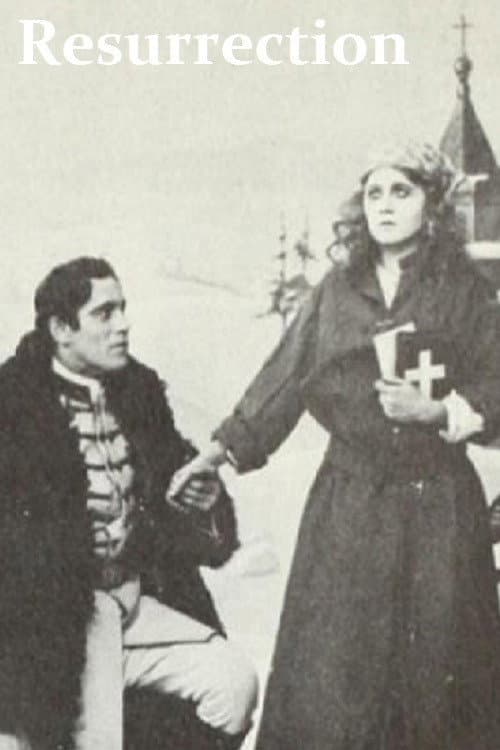
Resurrection
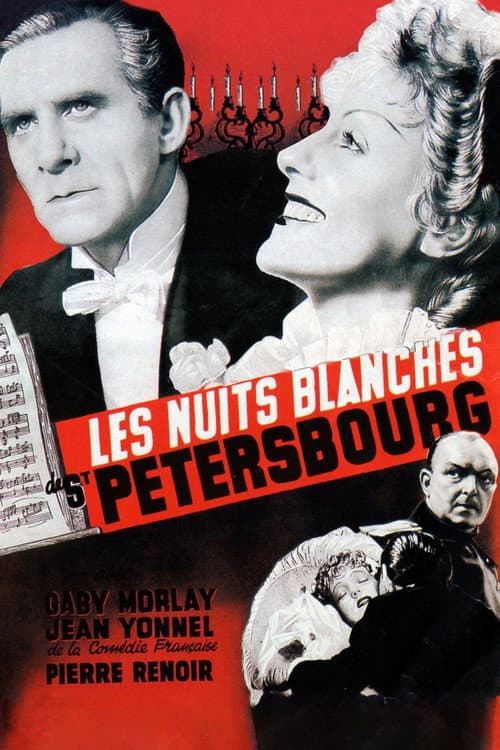
White Nights in Saint Petersburg
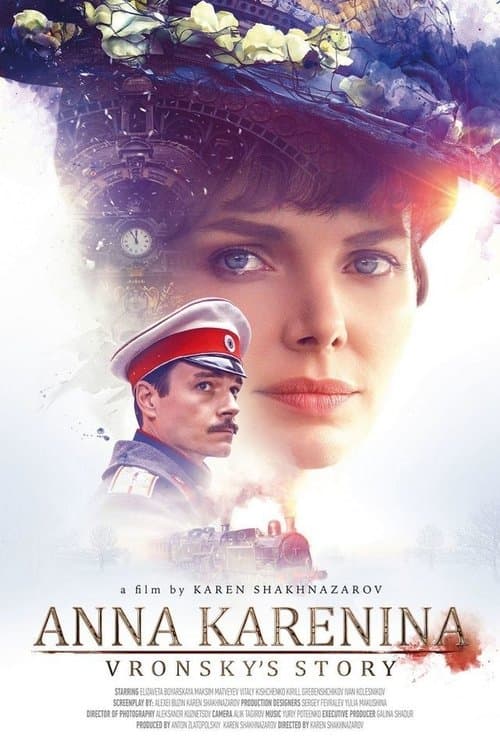
Anna Karenina
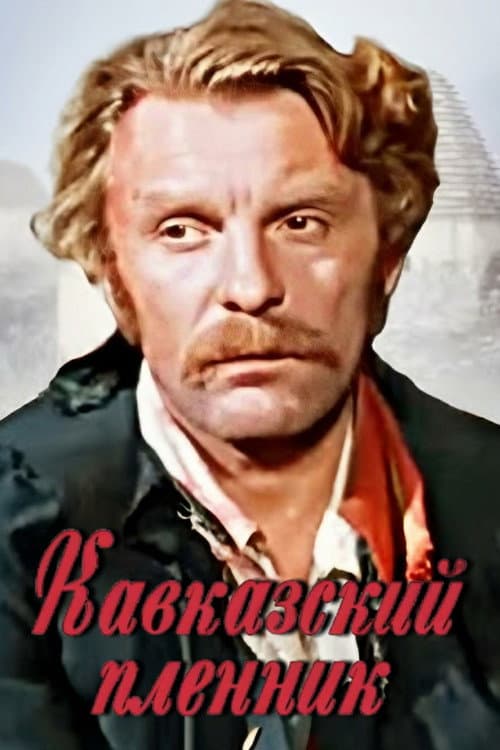
Caucasian Prisoner
Lemmi and the Bookworms
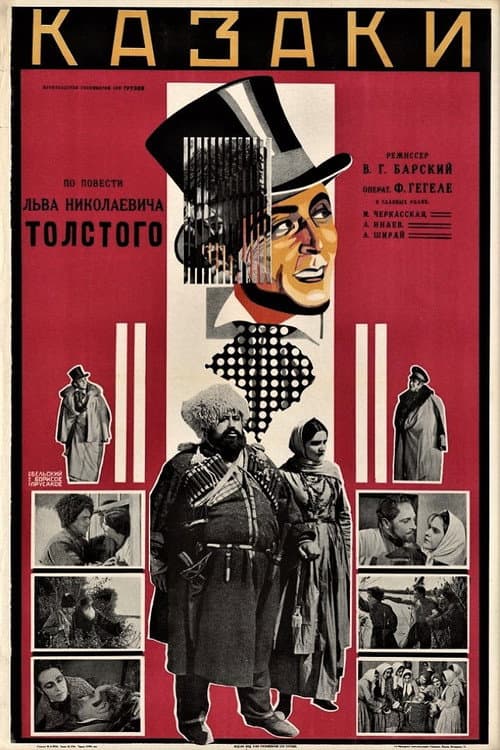
Cossacks
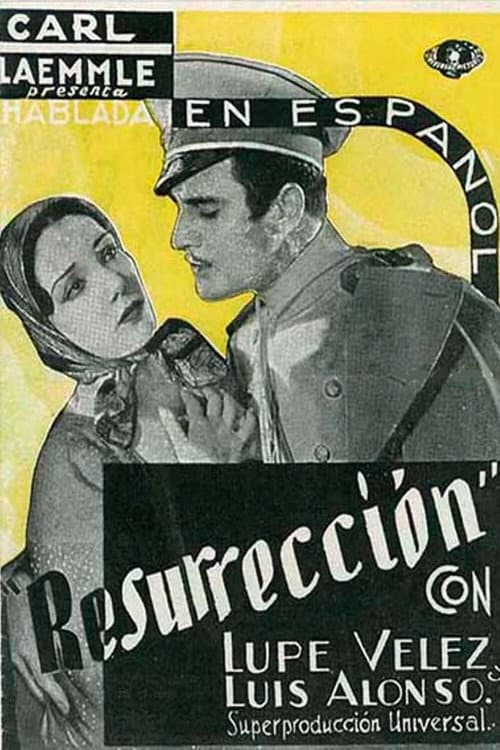
Resurrection