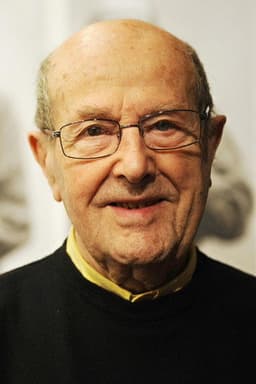
Manoel de Oliveira
Directing · Born 1908-12-11 · age 106 at death · Porto, Portugal
Manoel de Oliveira was born in Porto, Portugal on December 11, 1908, to Francisco José de Oliveira and Cândida Ferreira Pinto. His family were wealthy industrialists. Oliveira attended school in Galicia, Spain and his goal as a teenager was to become an actor. He enrolled in Italian film-maker Rino Lupo's acting school at age 20, but later changed his mind when he saw Walther Ruttmann's documentary Berlin: Symphony of a City. This prompted him to direct his first film, also a documentary, titledDouro, Faina Fluvial (1931). He also acted in the second Portuguese sound film, A Canção de Lisboa (1933). His first feature film came much later, in 1942. Aniki-Bóbó, a portrait of Oporto's street children, was a commercial failure when it opened, and its merit only came to be recognised over time. This drawback forced Oliveira to abandon other film projects he was involved in, and to dedicate himself to running his family vineyard. He re-emerged onto the film scene in 1956 with The Artist and the City, a work that marked a turning point in Oliveira's conception of the cinema. In 1963, O Acto de Primavera (The Rite of Spring), a documentary depicting an annual passion play, marked a turning point for his career. This was shortly followed by A caça (The Hunt), a grim feature film that contrasted with the happy tones of his previous documentary. Despite the widespread acclaim garnered by both films, he would not return to the director's seat until the 1970s. Since 1990 (when he turned 82), he has made at least one film each year. Oliveira has said that he direct movies for the sheer pleasure of doing it, regardless of critical reaction. He maintains a quiet life away from the spotlights, despite multiple honours such as those of the Cannes, Venice and Montreal film festivals. He has been awarded two Career Golden Lions in 1985 and 2004 and a golden palm for his lifetime achievements in 2008.
Titles
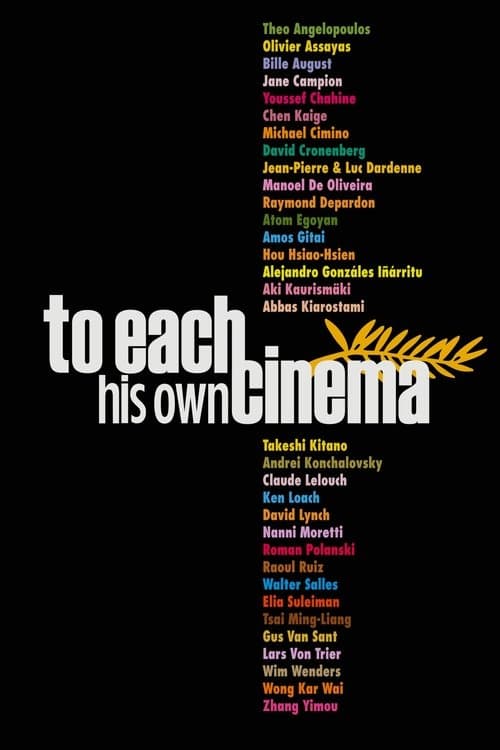
To Each His Own Cinema
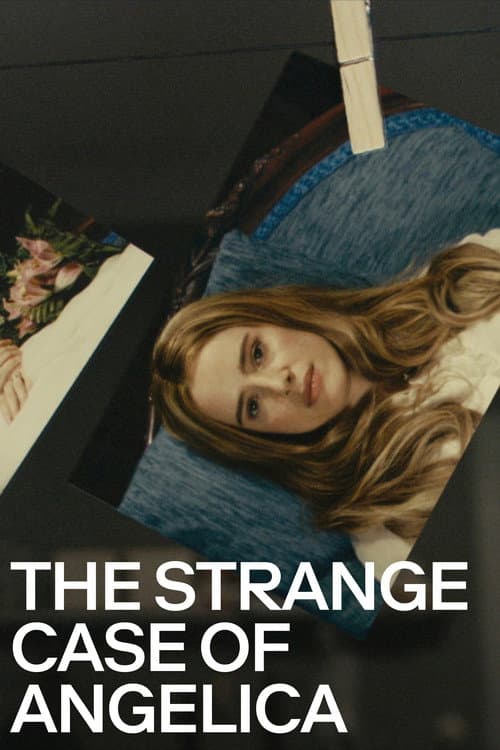
The Strange Case of Angelica
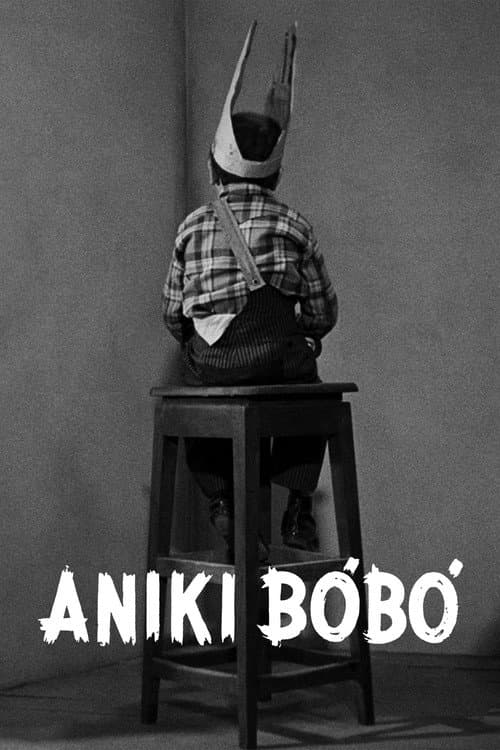
Aniki-Bóbó
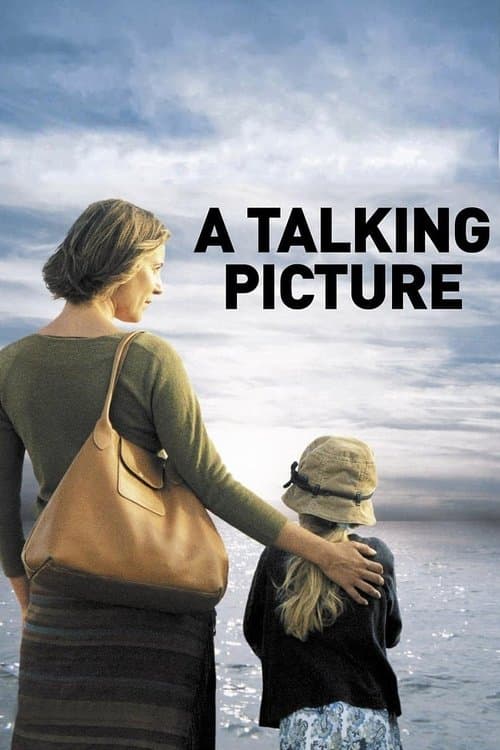
A Talking Picture
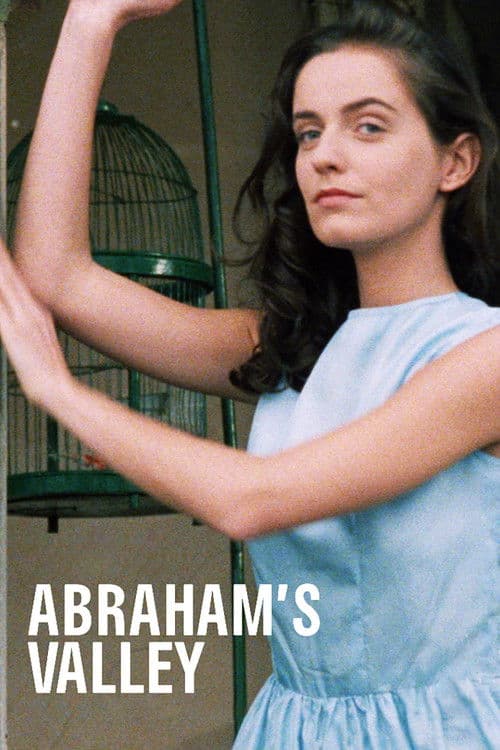
Abraham's Valley
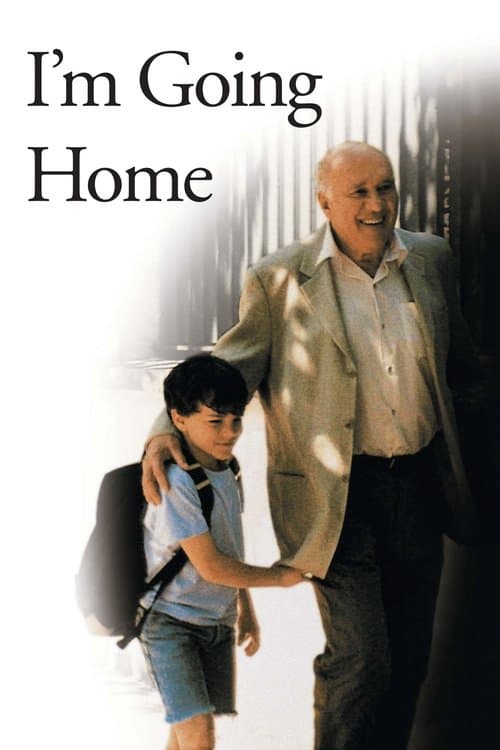
I’m Going Home
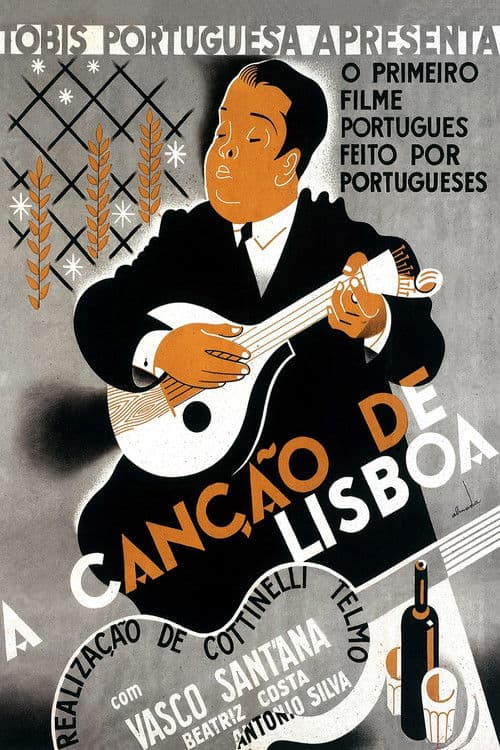
A Song of Lisbon
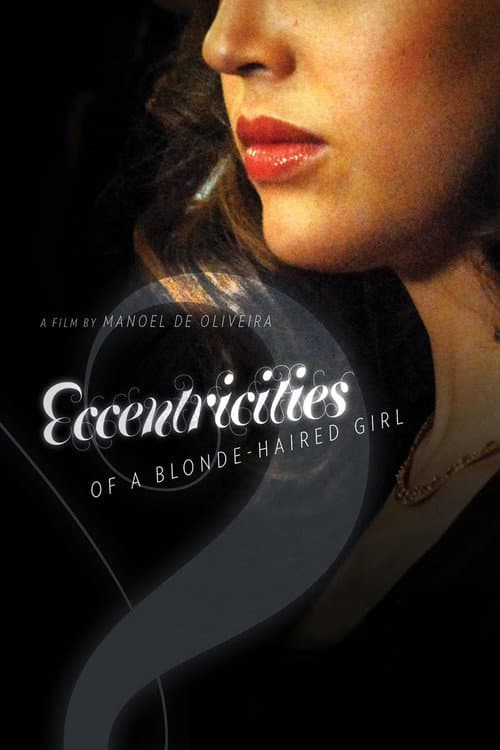
Eccentricities of a Blonde-Haired Girl
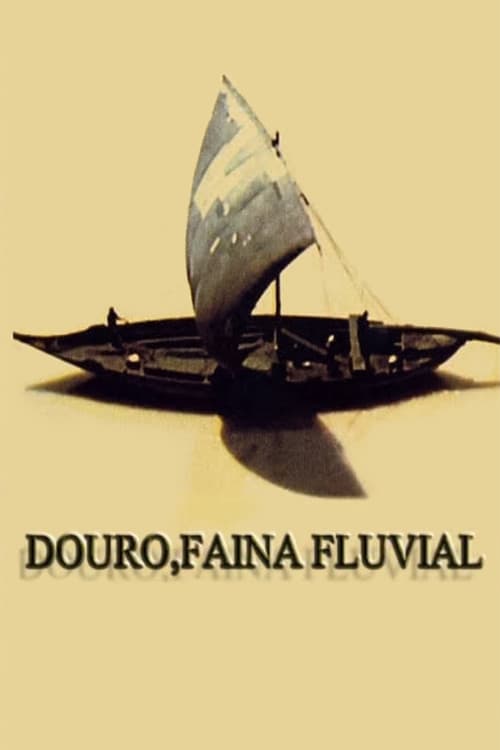
Working on the Douro River
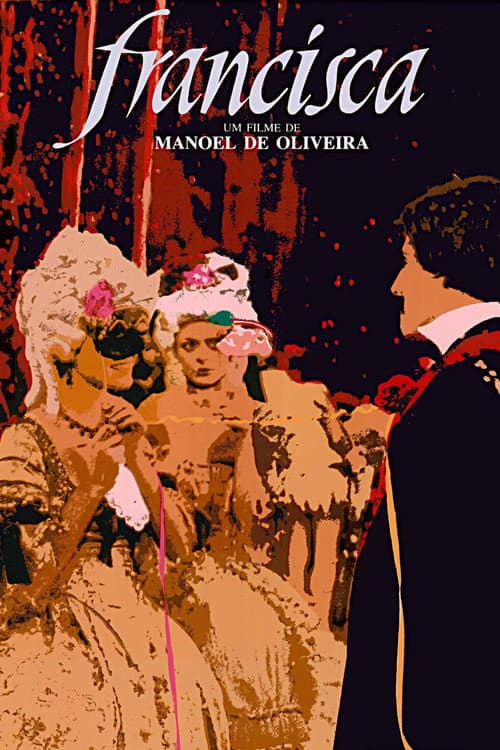
Francisca
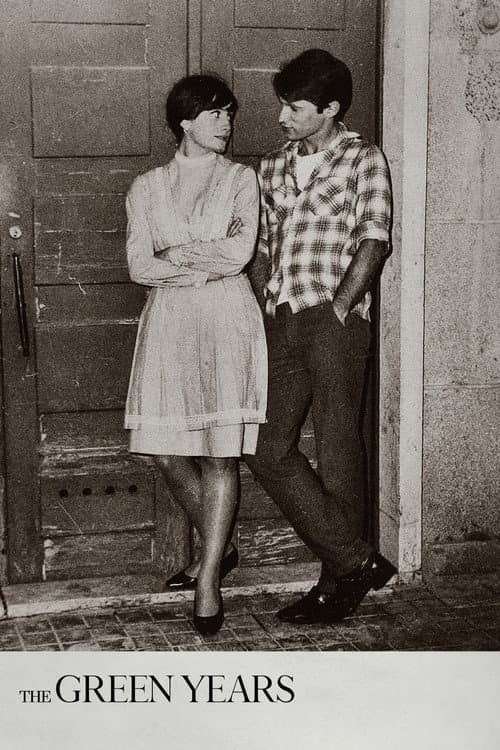
The Green Years

The Convent
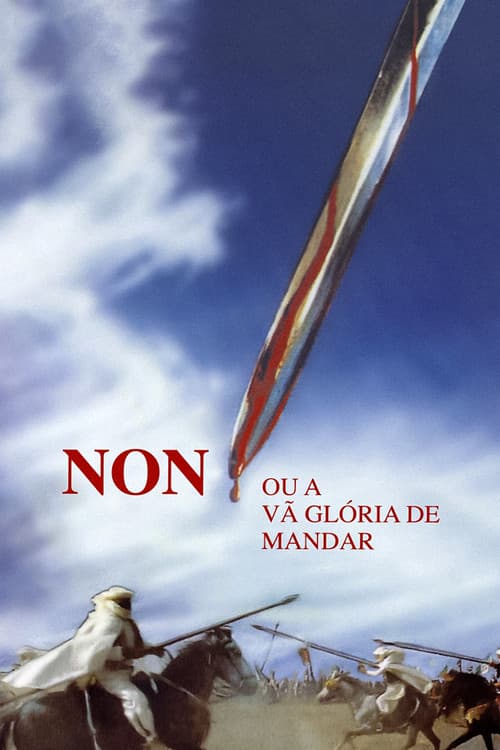
No, or the Vain Glory of Command
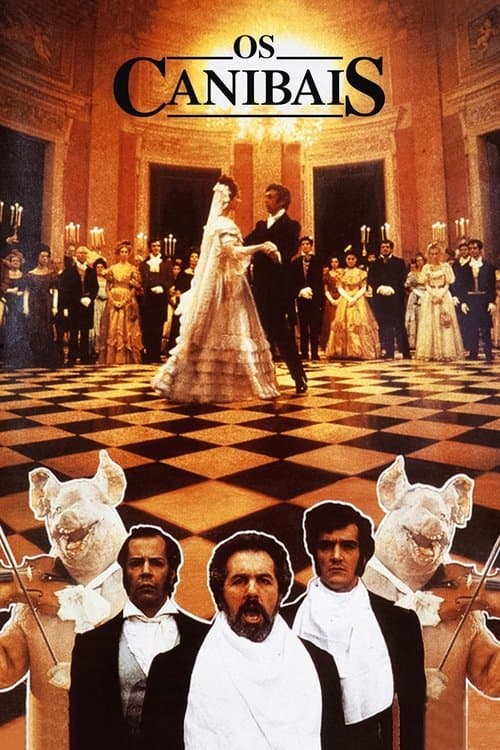
The Cannibals
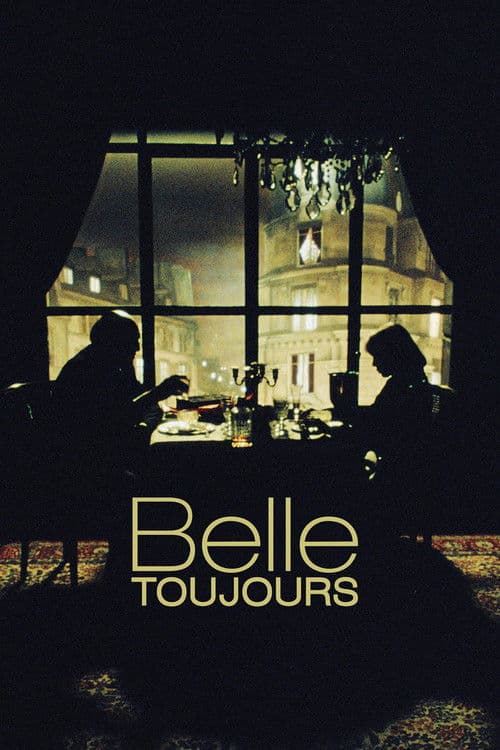
Belle Toujours
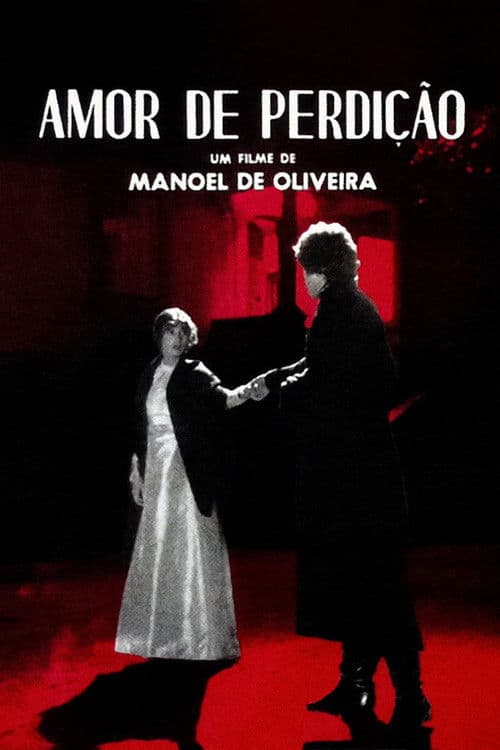
Doomed Love
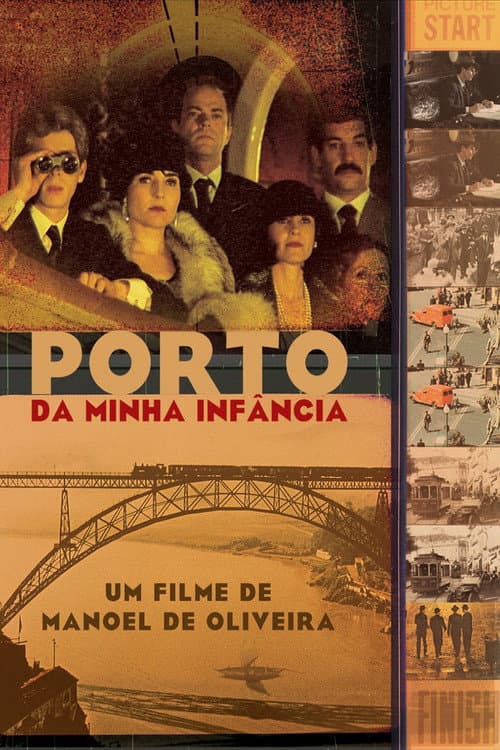
Porto of My Childhood
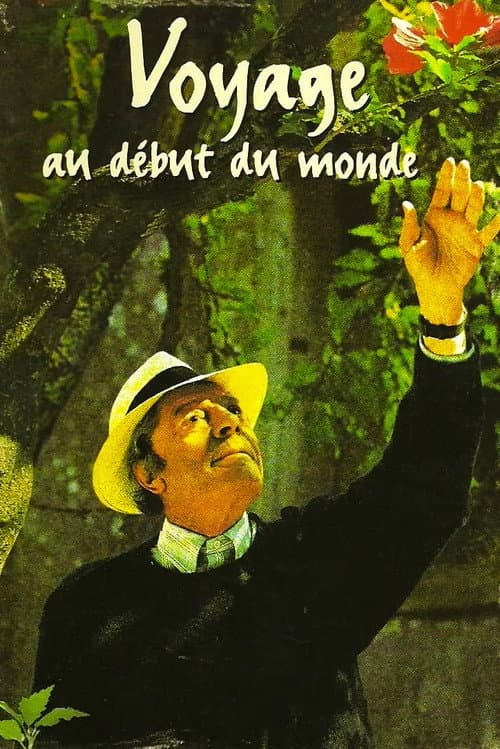
Voyage to the Beginning of the World

The Divine Comedy
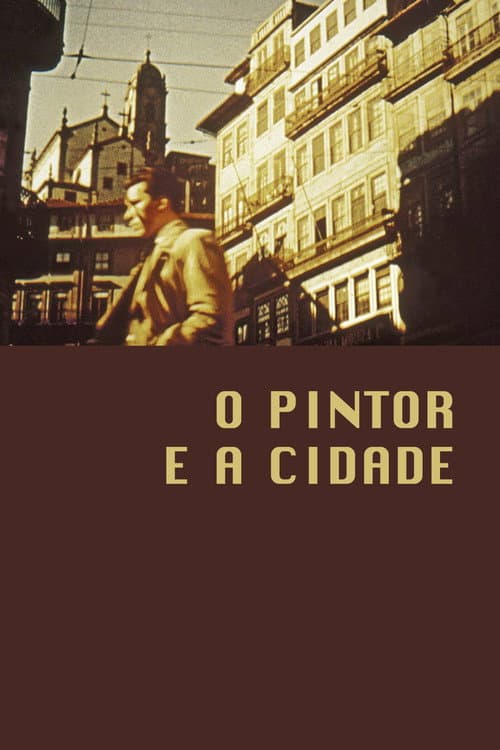
The Artist and the City
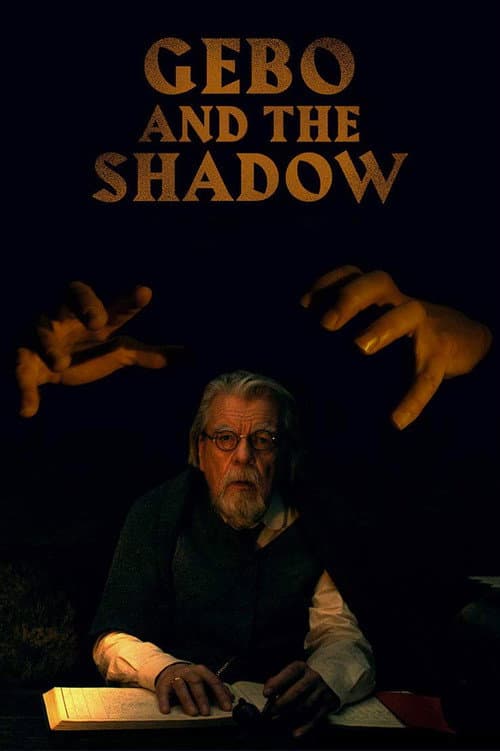
Gebo and the Shadow
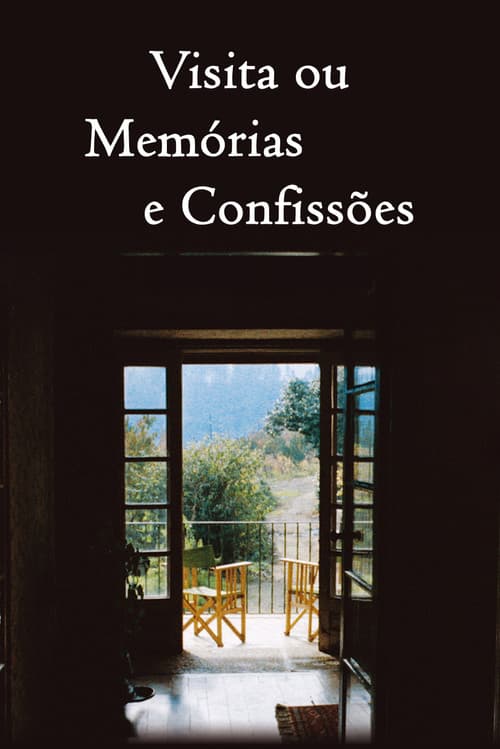
Visit, or Memories and Confessions
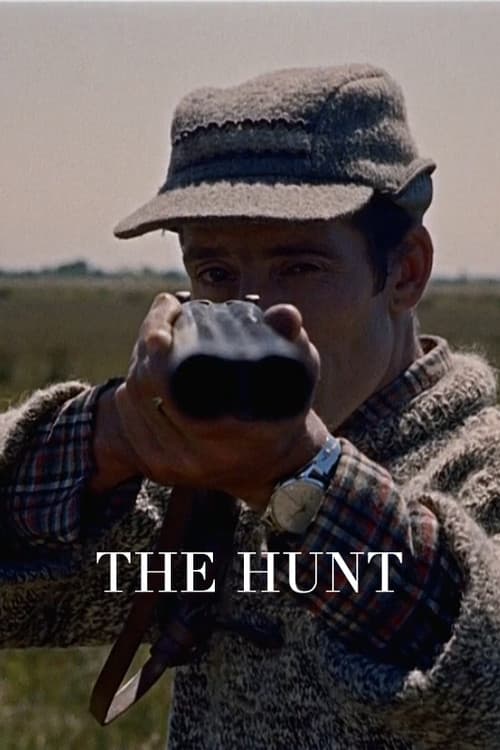
The Hunt

Historic Centre
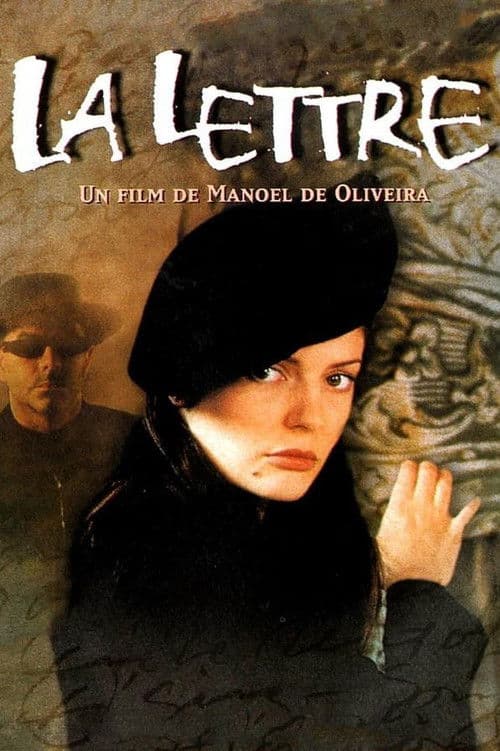
The Letter
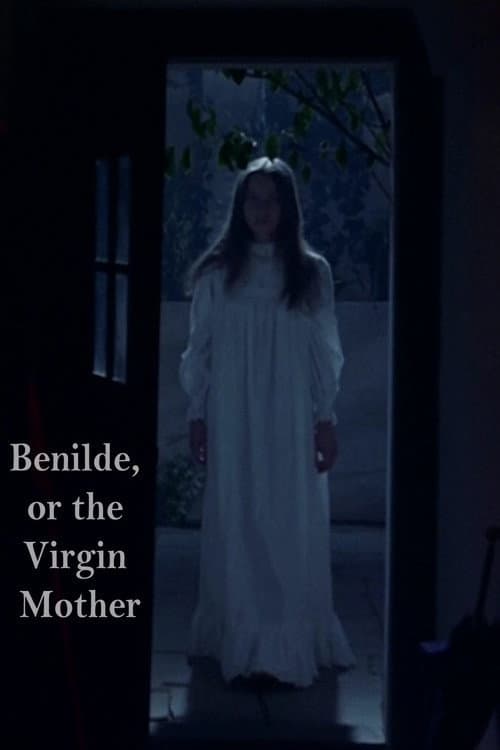
Benilde or the Virgin Mother
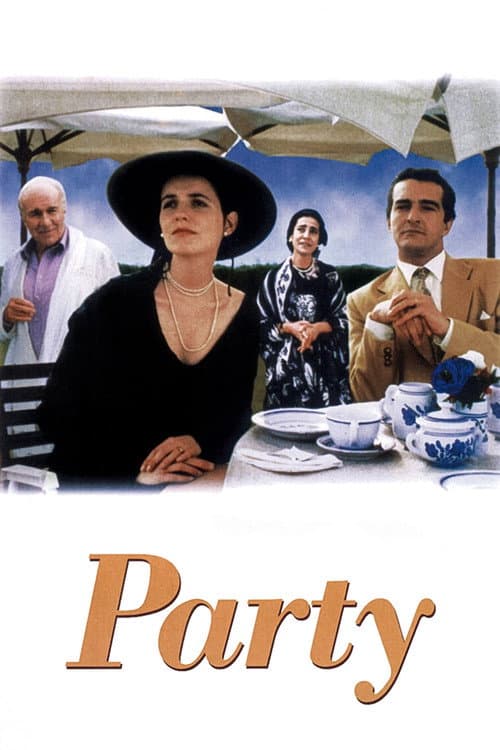
Party

Hitler in Hollywood
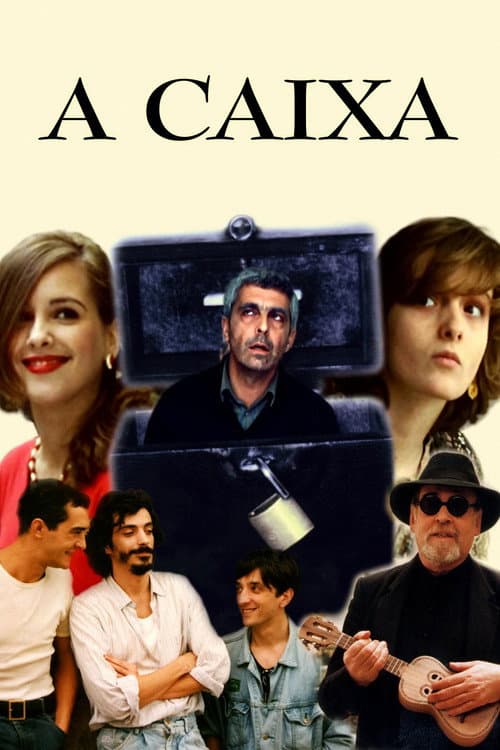
Blind Man's Bluff
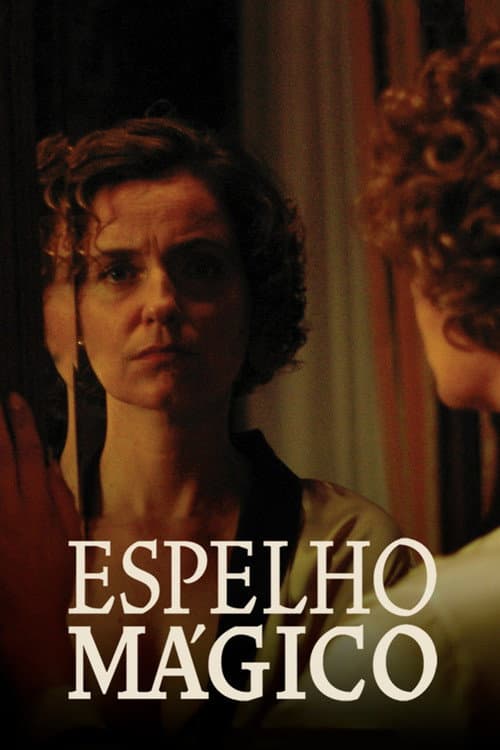
Magic Mirror
Christopher Columbus, The Enigma
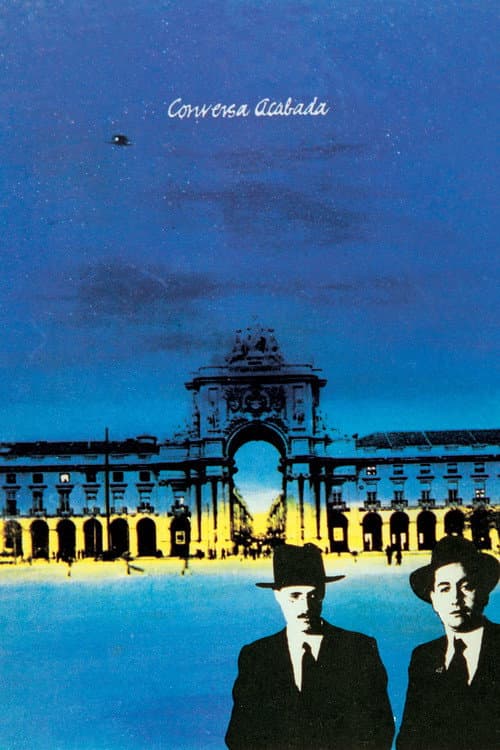
The Conversation Is Over
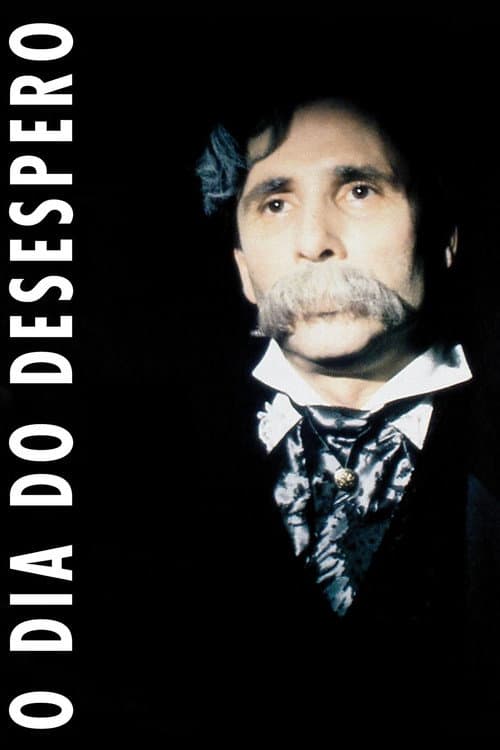
Day of Despair
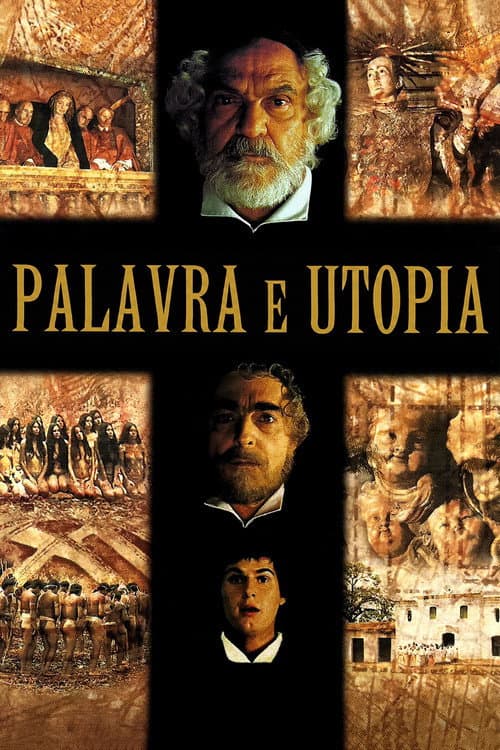
Word and Utopia
Invisible World
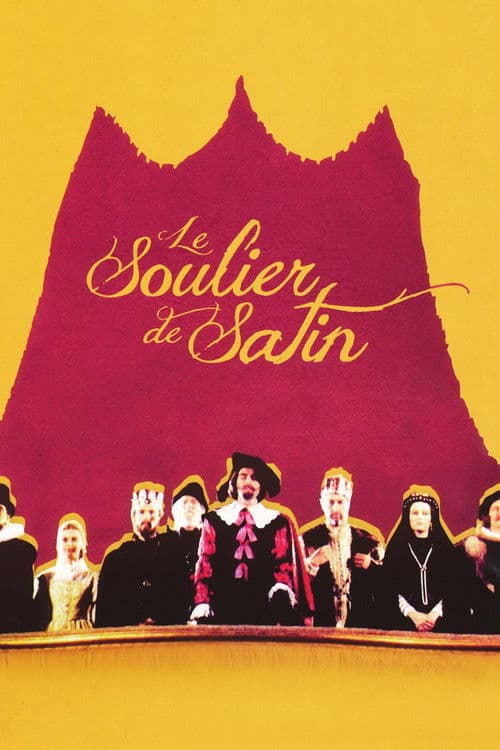
The Satin Slipper
A Century of Energy
Past and Present
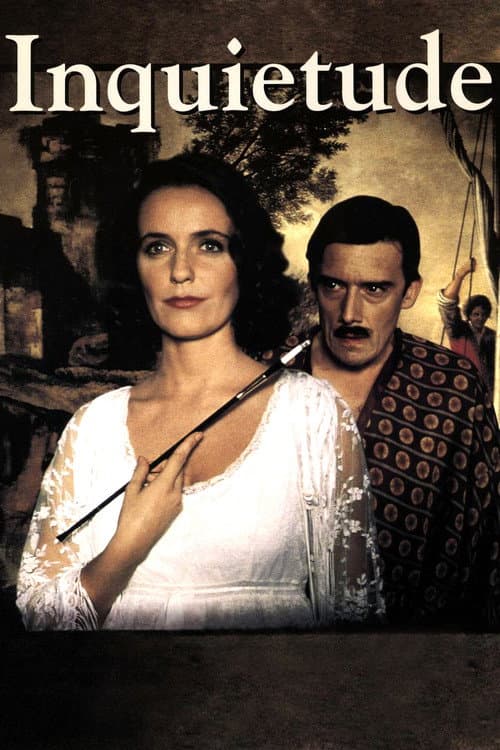
Inquietude
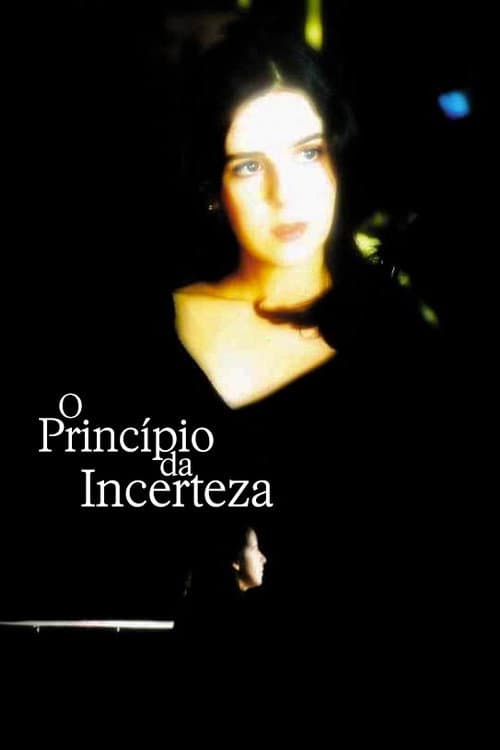
The Uncertainty Principle
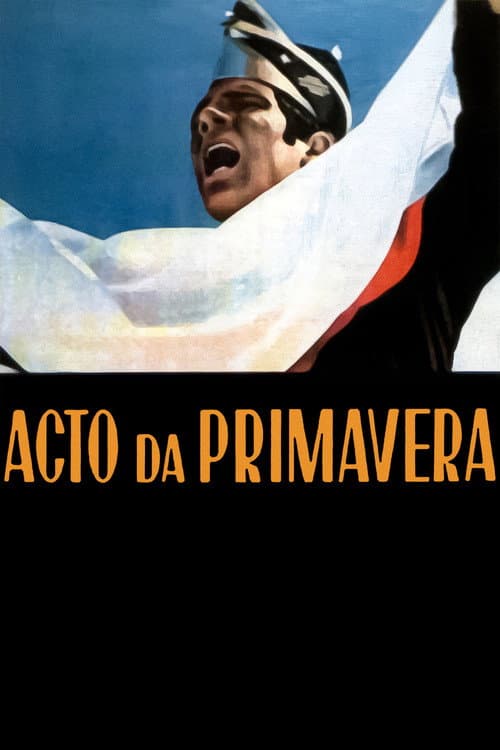
Acto da Primavera
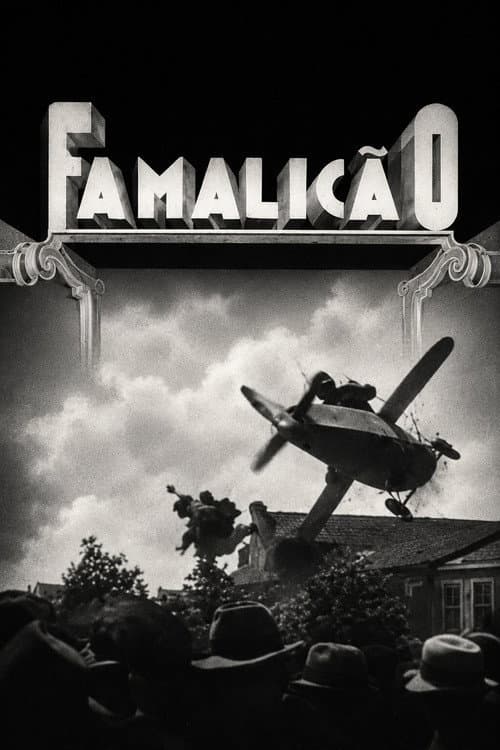
Famalicão
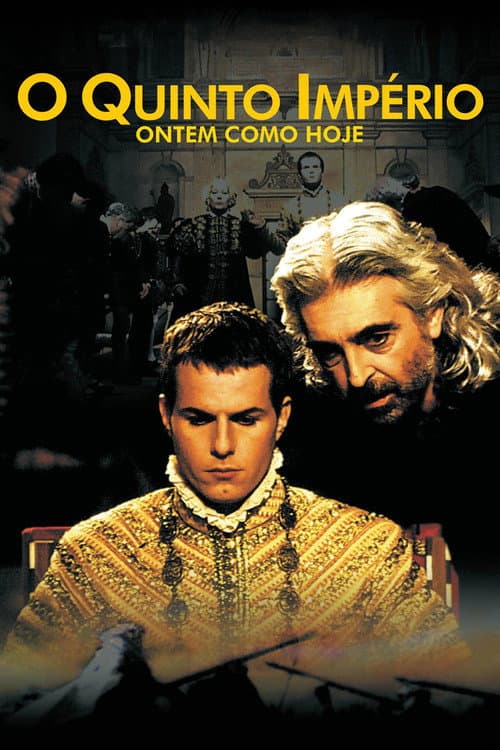
The Fifth Empire
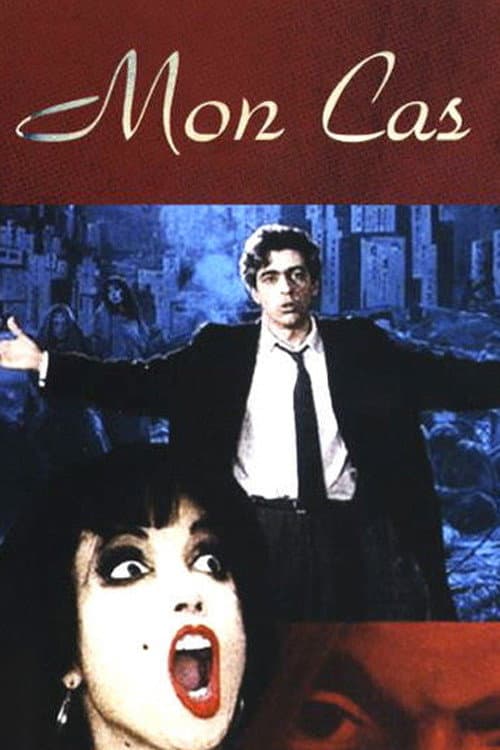
My Case
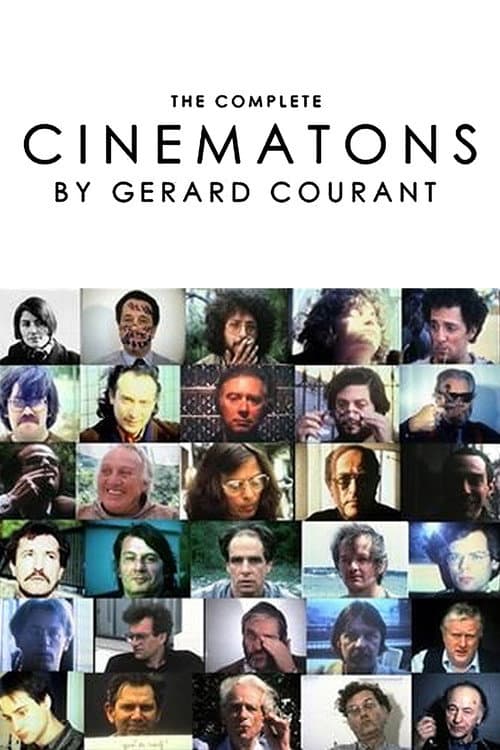
Cinématon
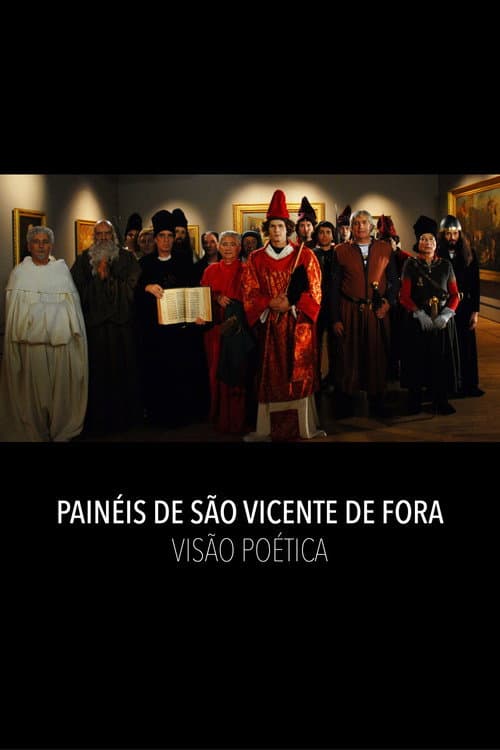
The Panels of São Vicente de Fora: A Poetic Vision
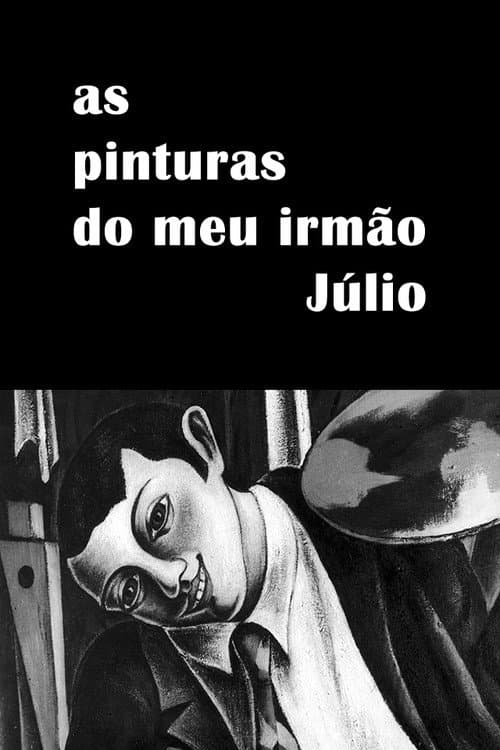
As Pinturas do Meu Irmão Júlio
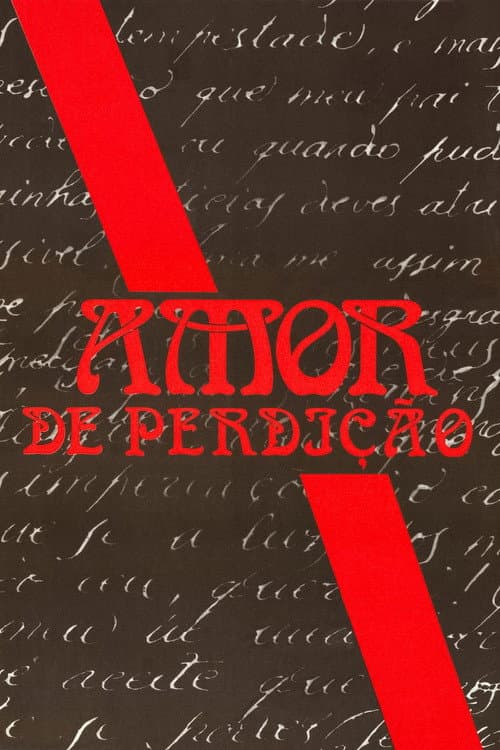
Doomed Love
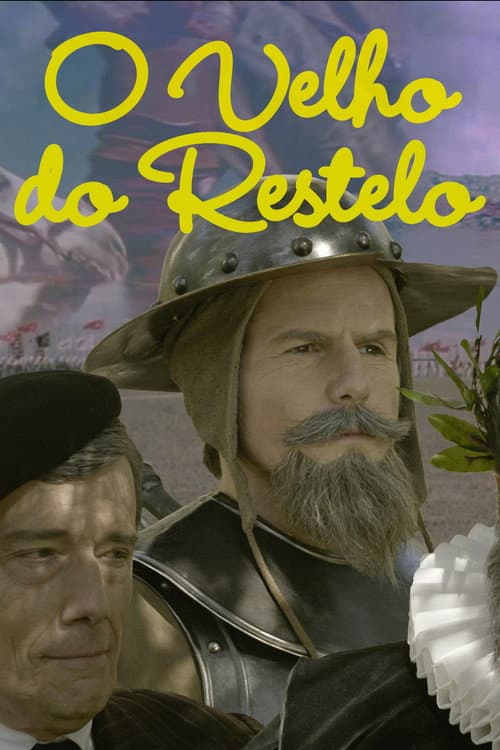
The Old Man of Belem
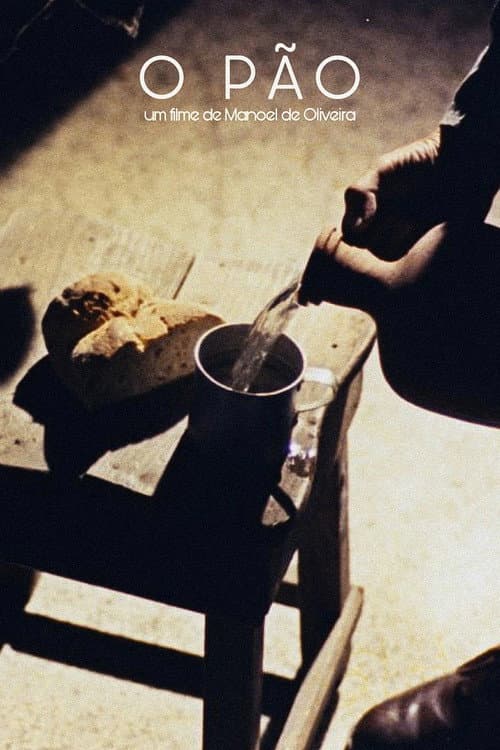
Bread
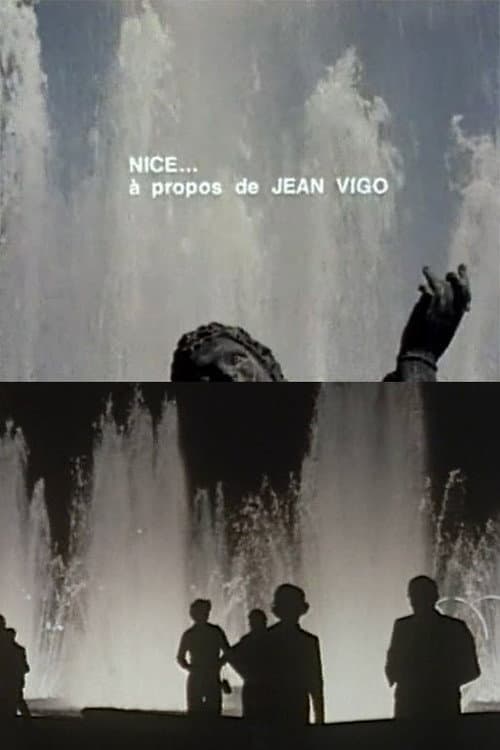
Nice - À propos de Jean Vigo
101
Portugal Já Faz Automóveis
Lisboa Cultural
Lisbon statues
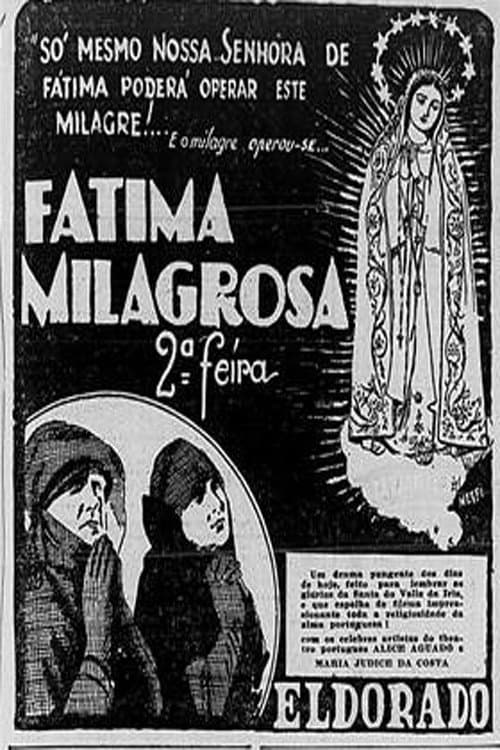
Fátima Milagrosa
Zona+

Oliveira, l'architecte
O Improvável Não é Impossível
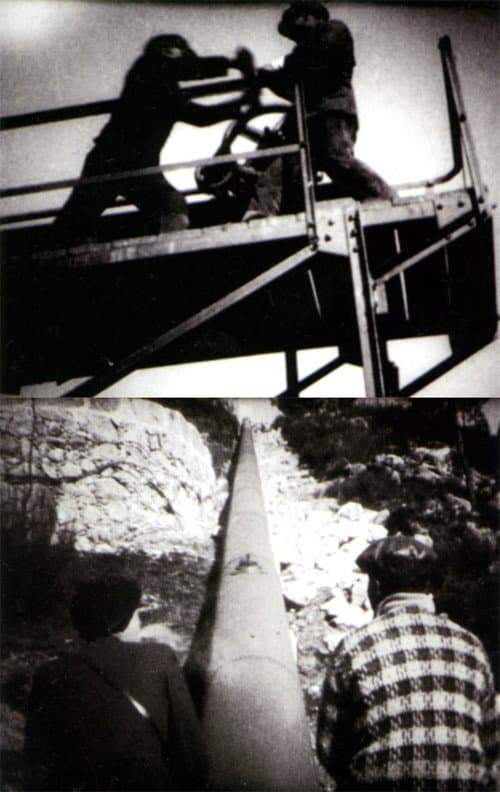
White Coal