Pierre Braunberger
Production · Born 1905-07-29 · age 85 at death · Paris, France
Pierre Braunberger (29 July 1905, Paris – 16 November 1990, Aubervilliers) was a French producer, executive producer, and actor. Born into a family of physicians, Braunberger at the age of seven was already determined not have the same life as his father, and not to take up medicine as a career. He saw a screening of Fantômas at the Gaumont Théâtre, the first cinema to open in Paris, and decided to work in the cinema. After the First World War, at the age of 15, he produced and directed his first film: Frankfurt in Germany. He left for successive adventures in Berlin, London at Brocklis establishments, where he worked. In 1923, he left for New York, where he worked for a few weeks at Fox Film Corporation, and became a director of production along with Ferdinand H. Adam where he also worked on films with Frank Merrill. In the course of his films in Los Angeles, he came to know Irving Thalberg who employed him at Metro-Goldwyn-Mayer as one of his assistants. He stayed there for eighteen months, and established contacts with one of the greatest directors of the time. Wanting to direct and produce in France, he returned to Paris and got to know Jean Renoir, with whom he worked on Avec qui il va tourner, The Whirlpool of Fate, Nana and Tire-au-flanc. In 1929, Braunberger created Productions Pierre Braunberger and Néofilms for the production of his first French-speaking film (La route est belle by Robert Florey). In 1930, Braunberger became head of the Pantheon Cinema and continued there for sixty years. He renovated the lobby, created 450 seats, and installed Western Electric projectors and sound equipment. Although subtitles were yet to be invented, he was the first to show foreign films in their original versions. One year later, he met with Roger Richebé to produce under the name of Établissements Braunberger-Richebé. A few films were produced, such as le Blanc et le noir by Robert Florey, Isn't Life a Bitch? by Jean Renoir, and Chocolatière et Fanny by Marc Allégret. In 1933, still only 28, he decided to continue alone, and formed studios de Billancourt, which became Paris-Studio-Cinéma. During World War two he was not able to produce a film because he was Jewish. At the end of the Second World War, Braunberger transformed a local Gestapo office into the Cinema Studio "Studio Lhmond", which he used to discover new talents of the "nouvelle vague", including Jean-Pierre Melville, Jean-Luc Godard and Alain Resnais. In 1966 he was the head of the jury at the 16th Berlin International Film Festival. Braunberger had a close relationship with philosopher Gilles Deleuze. In the late 1970s, Braunberger produced two films for Polish filmmaker Walerian Borowczyk. Braunberger died in 1990. Source: Article "Pierre Braunberger" from Wikipedia in English, licensed under CC-BY-SA 3.0.
Titles

Vivre Sa Vie

Shoot the Piano Player

A Day in the Country
Muriel, or the Time of Return
Land Without Bread

La Chienne
Rabbit's Moon
All the Boys Are Called Patrick

A Story of Water

Charlotte and Her Boyfriend

All the World's Memory

Immoral Women

I, a Negro

Private Collections
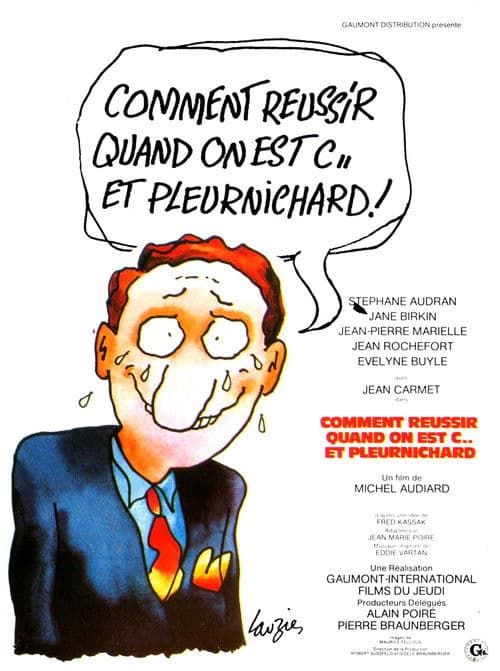
How to Make Good When One Is a Jerk and a Crybaby

Love Exists
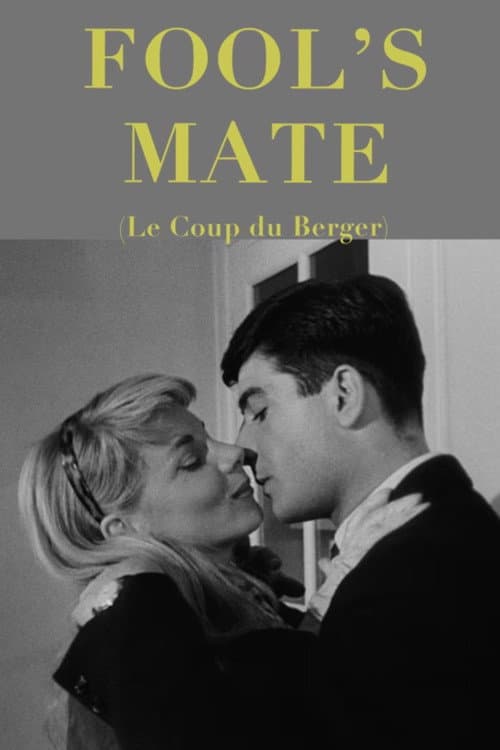
Fool’s Mate

Baby's Laxative

Fantasia Among the Squares

Guernica
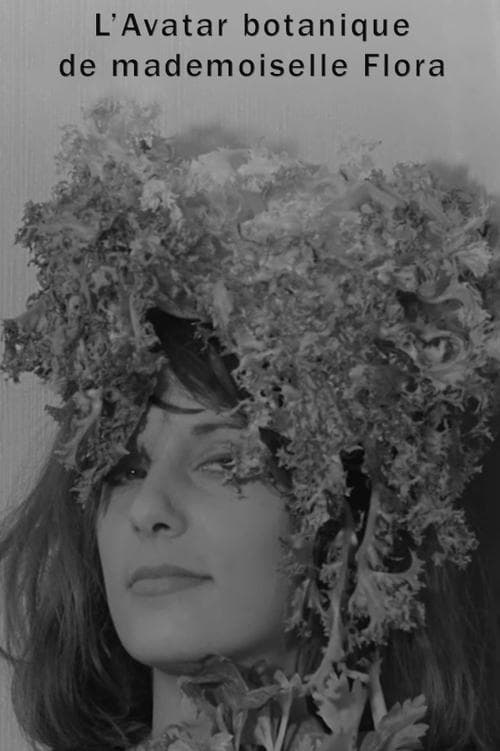
The Botanical Avatar of Mademoiselle Flora
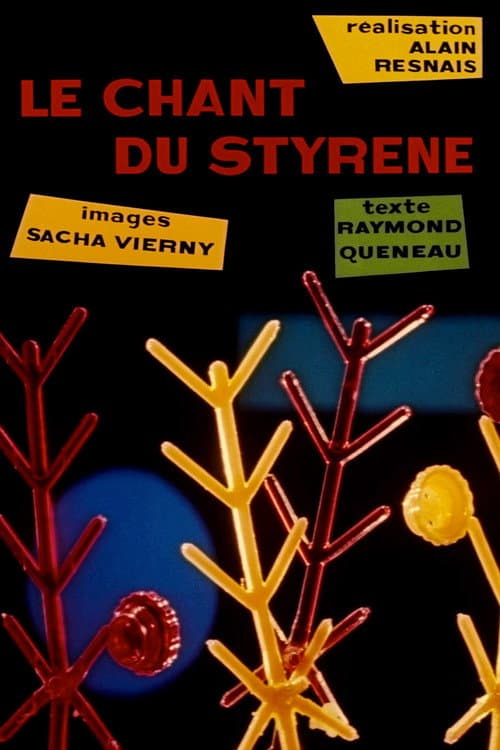
The Song of Styrene

Charleston Parade

O Seasons, O Castles

A Game for Six Lovers

Van Gogh

Erotissimo

Montparnasse

Act of Aggression

Catch Me a Spy

The Sixth Side of the Pentagon

All About Loving
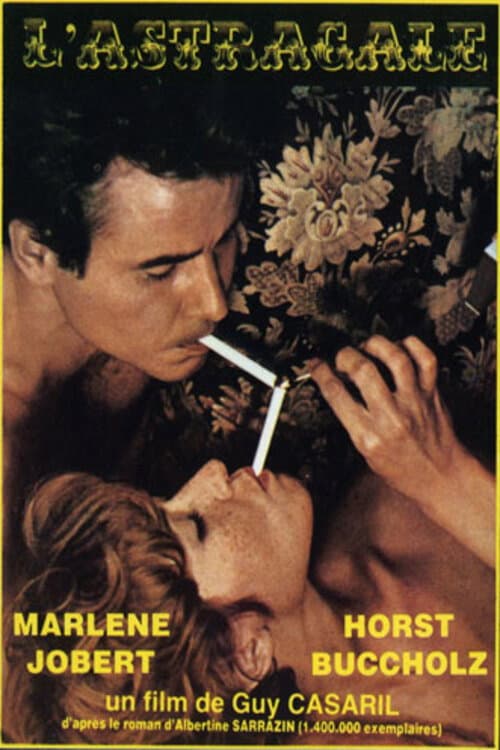
Ankle Bone

Little by Little

La P’tite Lili

The Lion Hunters

In the Affirmative

To Be a Crook

Let's Make a Dirty Movie

America as Seen by a Frenchman

The Sad Sack

Jaguar

Paris 1900

¡Cuba Sí!
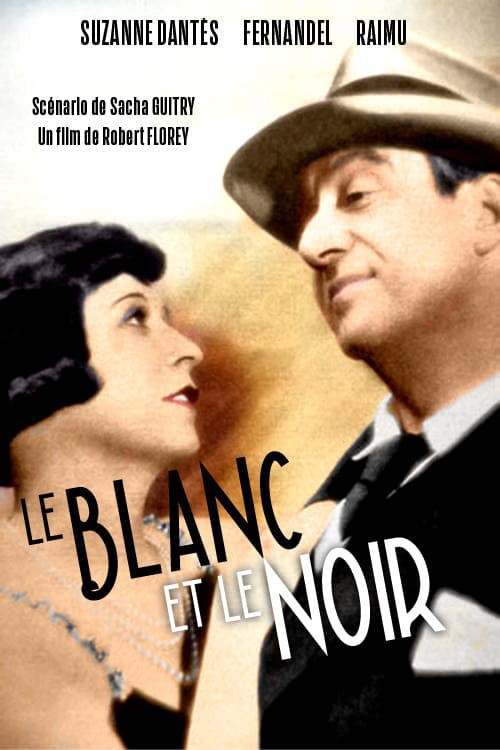
Black and White

Backbiters

The Laboratory of Fear

The Immoral Moment
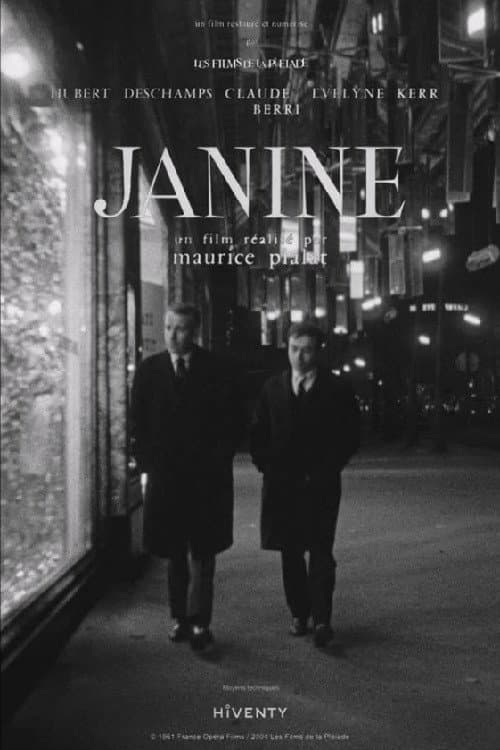
Janine

Julietta
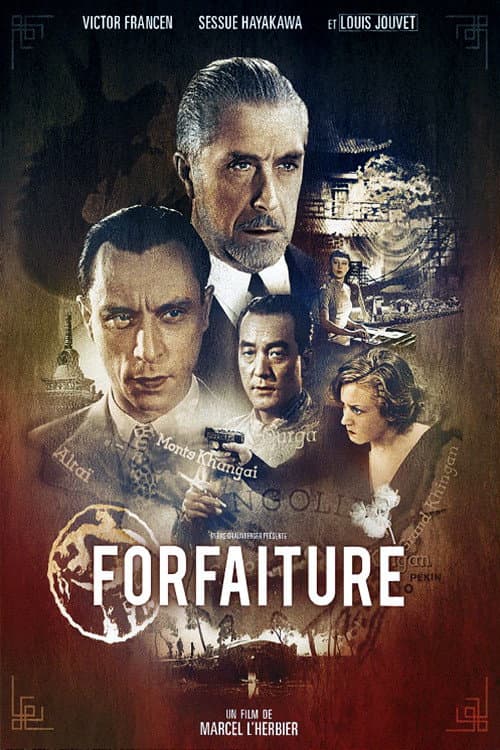
Forfaiture

The Fifteen-Year-Old Widows

On the Lam

The Punishment
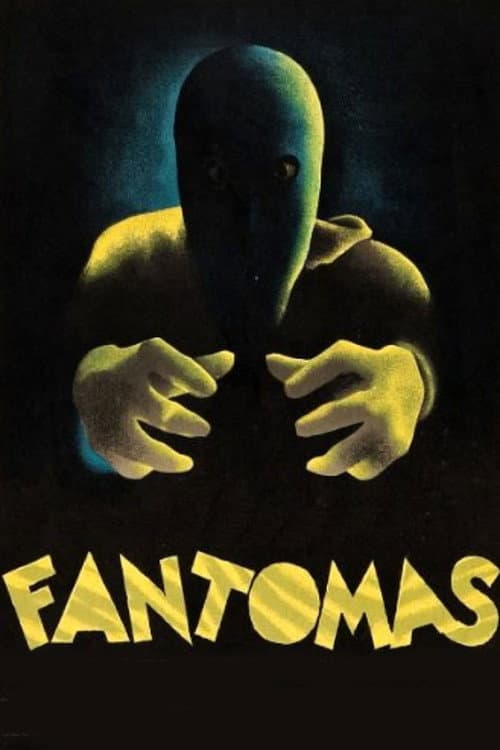
Fantômas
Chanson de gestes

The Lovers of Midnight

I. You. They.

The Goumbé of the Young Revelers

The Witnesses