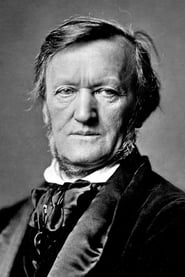
Richard Wagner
Multiple people share this name — showing the most well-known match (Sound).
Sound · Born 1813-05-22 · age 69 at death · Leipzig, Germany
Wilhelm Richard Wagner (/ˈvɑːɡnər/; German: [ˈʁiçaʁt ˈvaːɡnɐ] (About this sound listen); 22 May 1813 – 13 February 1883) was a German composer, theatre director, polemicist, and conductor who is chiefly known for his operas (or, as some of his later works were later known, "music dramas"). Unlike most opera composers, Wagner wrote both the libretto and the music for each of his stage works. He described this vision in a series of essays published between 1849 and 1852. Wagner realised these ideas most fully in the first half of the four-opera cycle Der Ring des Nibelungen (The Ring of the Nibelung). His compositions, particularly those of his later period, are notable for their complex textures, rich harmonies and orchestration, and the elaborate use of leitmotifs—musical phrases associated with individual characters, places, ideas, or plot elements. His advances in musical language, such as extreme chromaticism and quickly shifting tonal centres, greatly influenced the development of classical music. His Tristan und Isolde is sometimes described as marking the start of modern music. Famously, he is known for Der Ring des Nibelungen (The Ring of the Nibelung), WWV 86, is a cycle of four German-language epic music dramas composed by Richard Wagner. The works are based loosely on characters from the Norse sagas and the Nibelungenlied. The four parts that constitute the Ring cycle are, in sequence: Das Rheingold (The Rhinegold) Die Walküre (The Valkyrie) Siegfried Götterdämmerung (Twilight of the Gods) Wagner had his own opera house built, the Bayreuth Festspielhaus, which embodied many novel design features. The Ring and Parsifal were premiered here and his most important stage works continue to be performed at the annual Bayreuth Festival, run by his descendants. His thoughts on the relative contributions of music and drama in opera were to change again, and he reintroduced some traditional forms into his last few stage works, including Die Meistersinger von Nürnberg (The Mastersingers of Nuremberg).
Titles
Manhattan Murder Mystery
Nosferatu the Vampyre
Ludwig
Die Nibelungen: Siegfried
Patriotism
The Little Chaos

Her Return
Ming Green
The Greatest Love of All Time
To Parsifal

Ludwig – Requiem for a Virgin King

Parsifal
Ludwig II
Die Walküre

Götterdämmerung
La Petite mort
The Fifteenth Spring
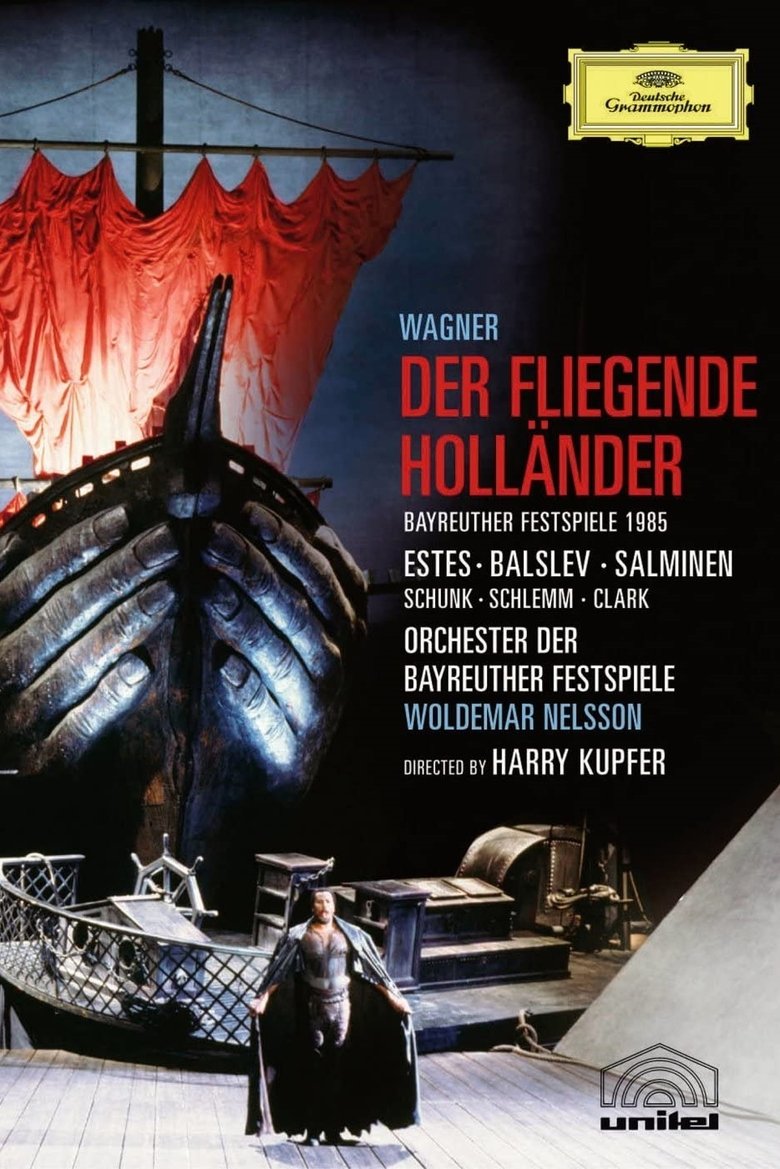
Der fliegende Holländer
This is Opera
The Ring Cycle: Die Walkure
The Ring Cycle: Das Rheingold
The Ring Cycle: Siegfried
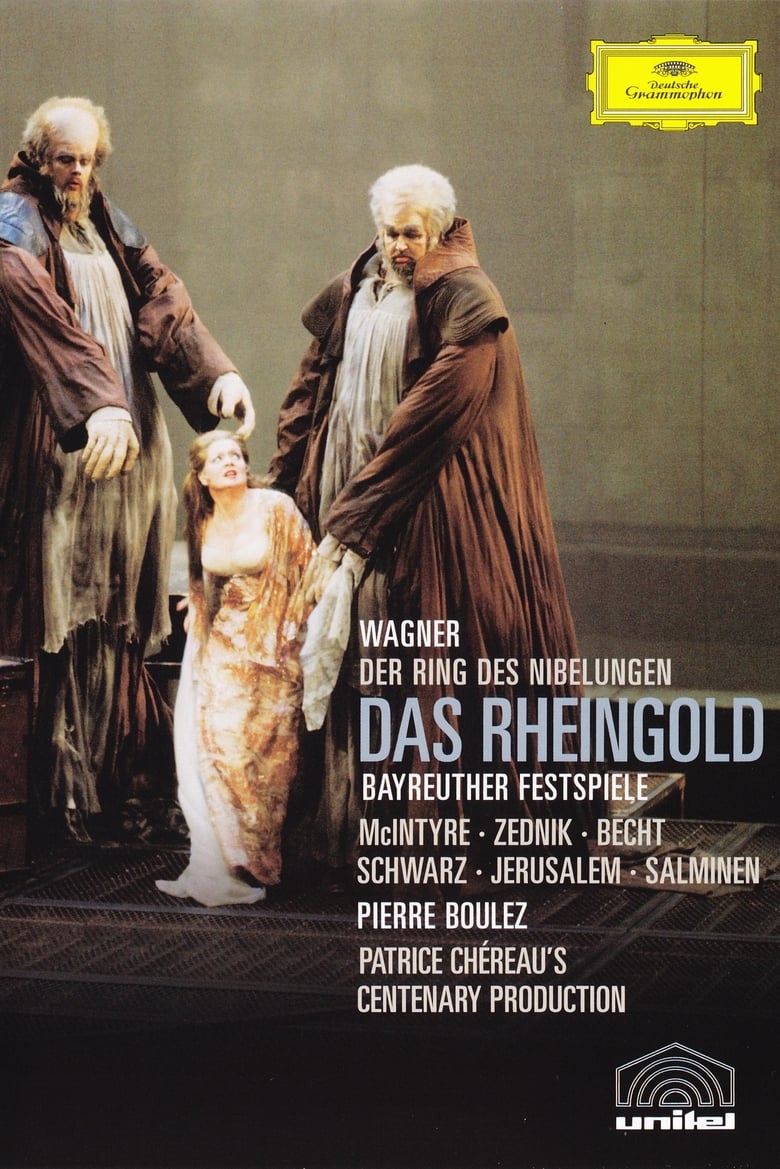
Wagner: Das Rheingold

The Evil Forest

Das Rheingold

Tannhäuser
The Ring Cycle: Gotterdammerung
Wagner: Götterdämmerung
Wagner: Die Walküre
Wagner: Siegfried
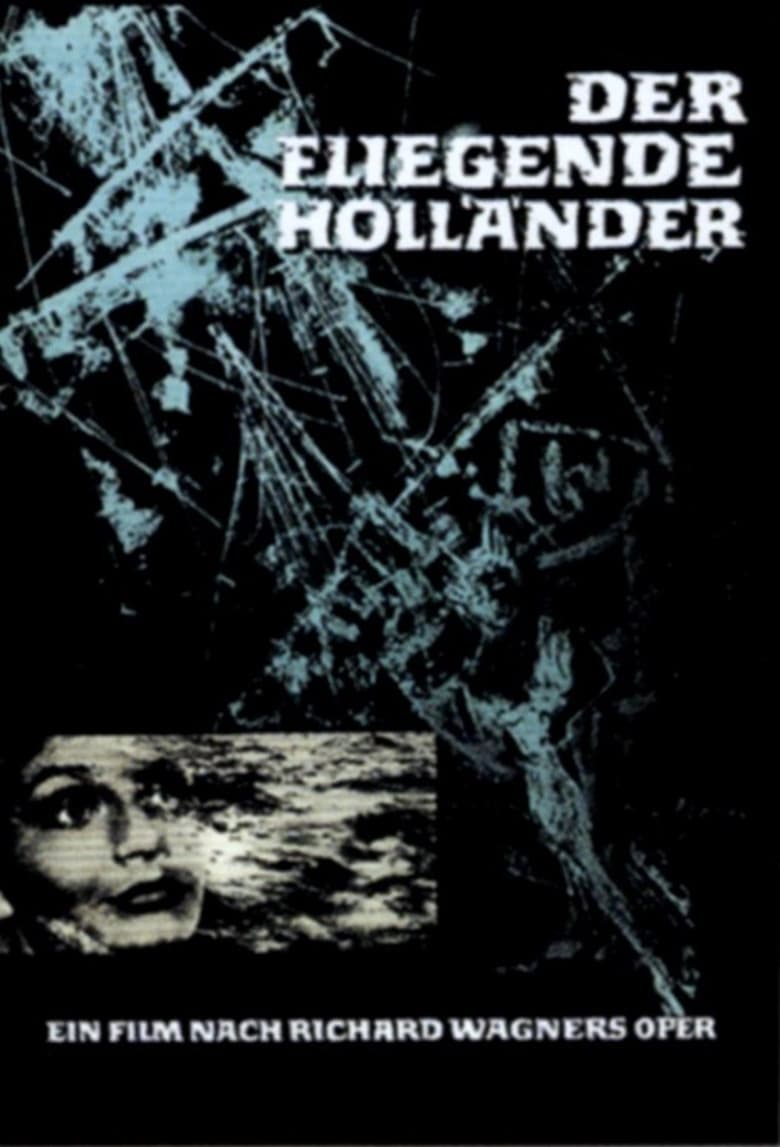
The Flying Dutchman
The Opera House
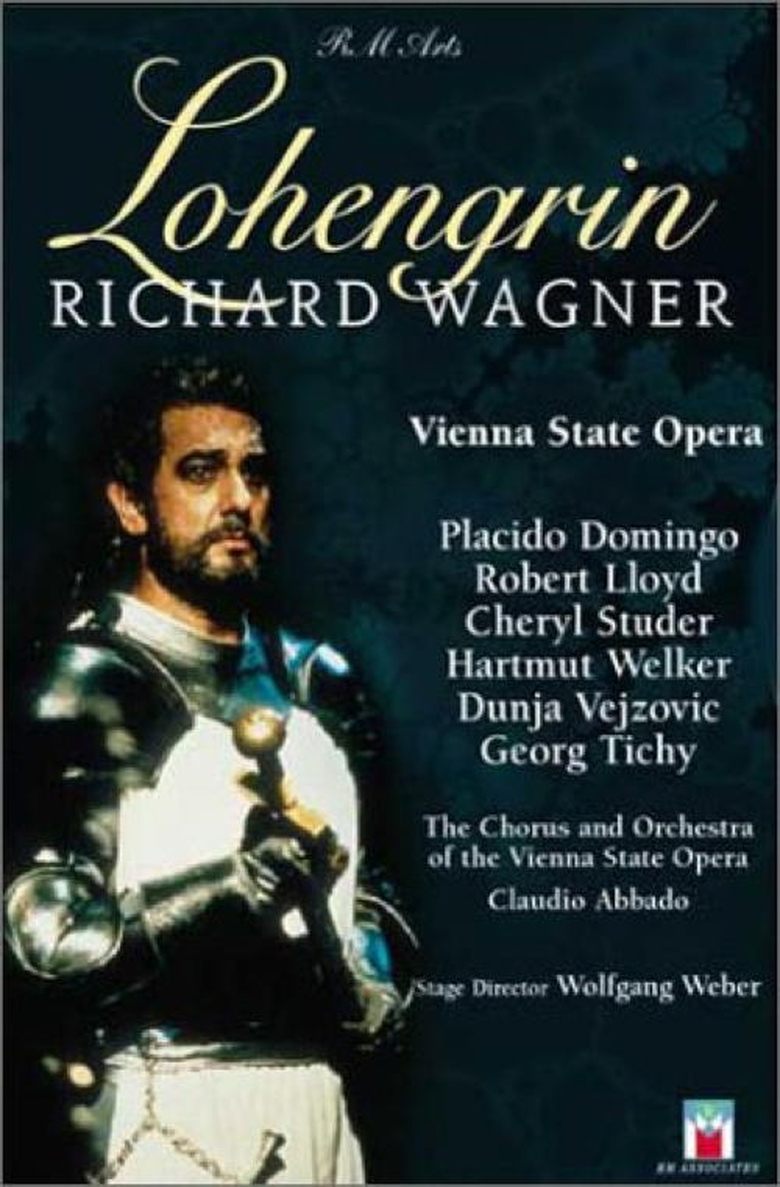
Lohengrin
Veinticuatro horas en la vida de una mujer

Tristan und Isolde
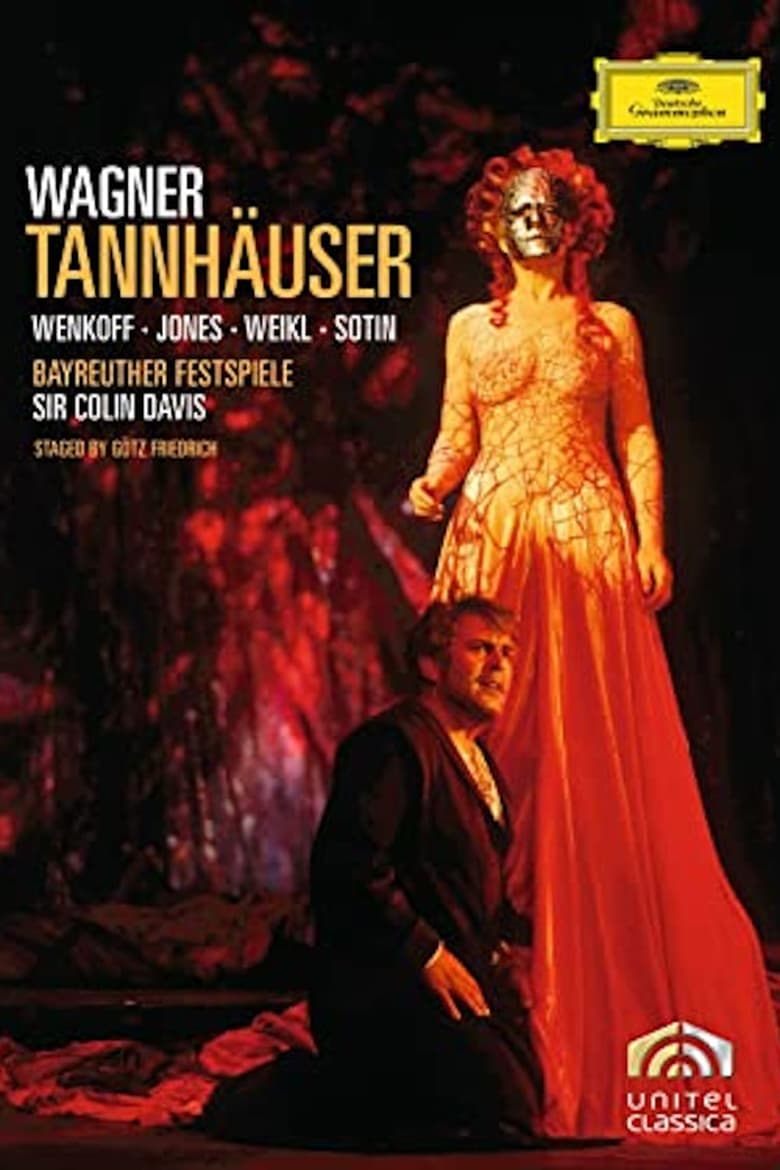
Tannhäuser and the Singers' Contest at Wartburg Castle
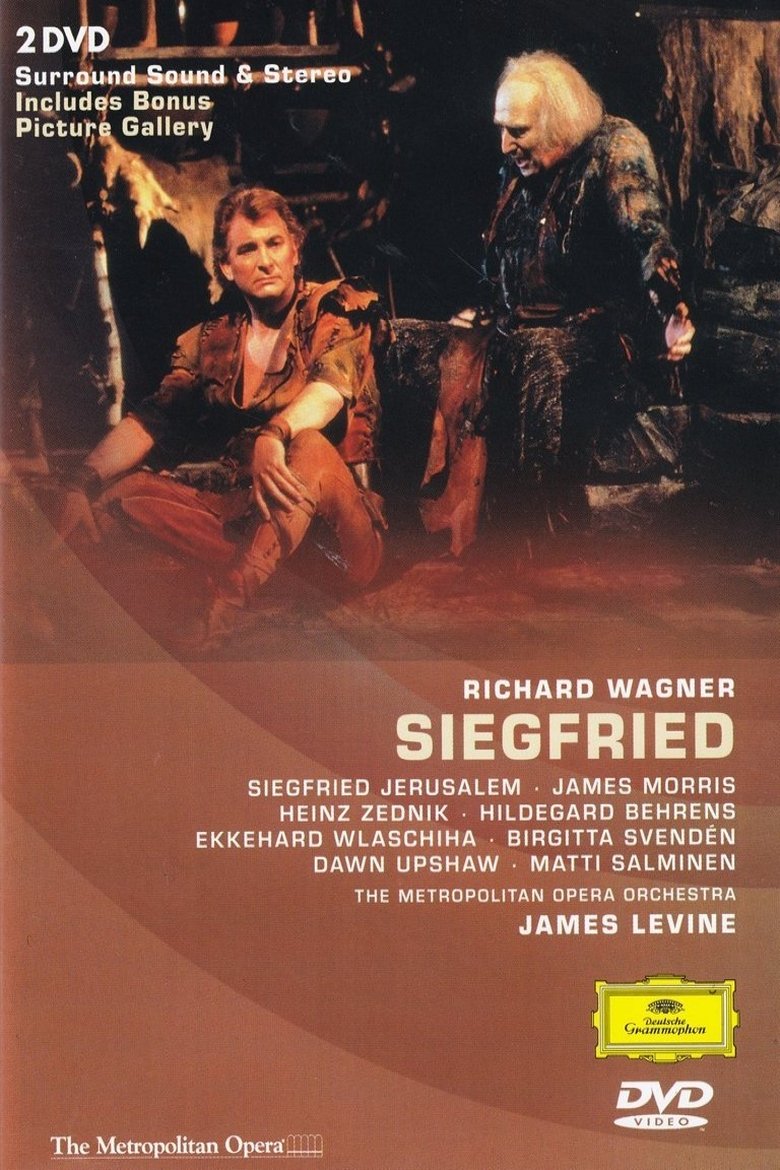
Siegfried

Romantici a Venezia

Maledictis

Der Fliegende Holländer

Deer Hunting
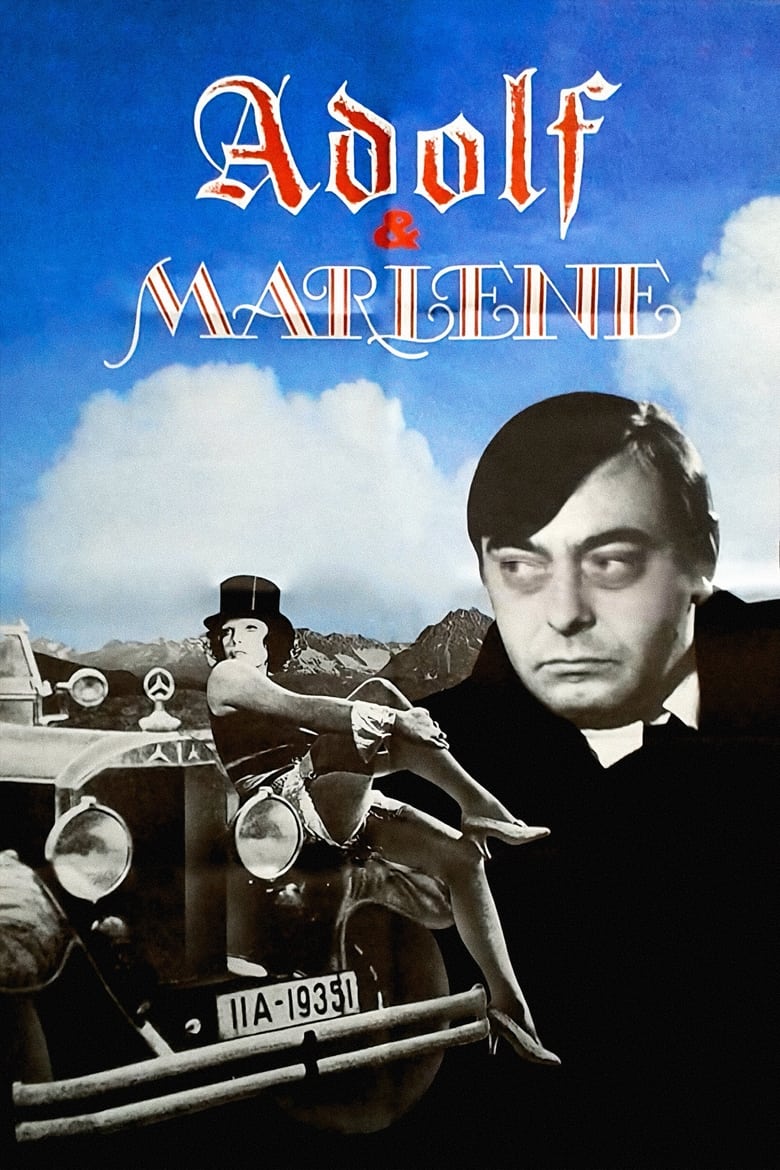
Adolf and Marlene
Zizi
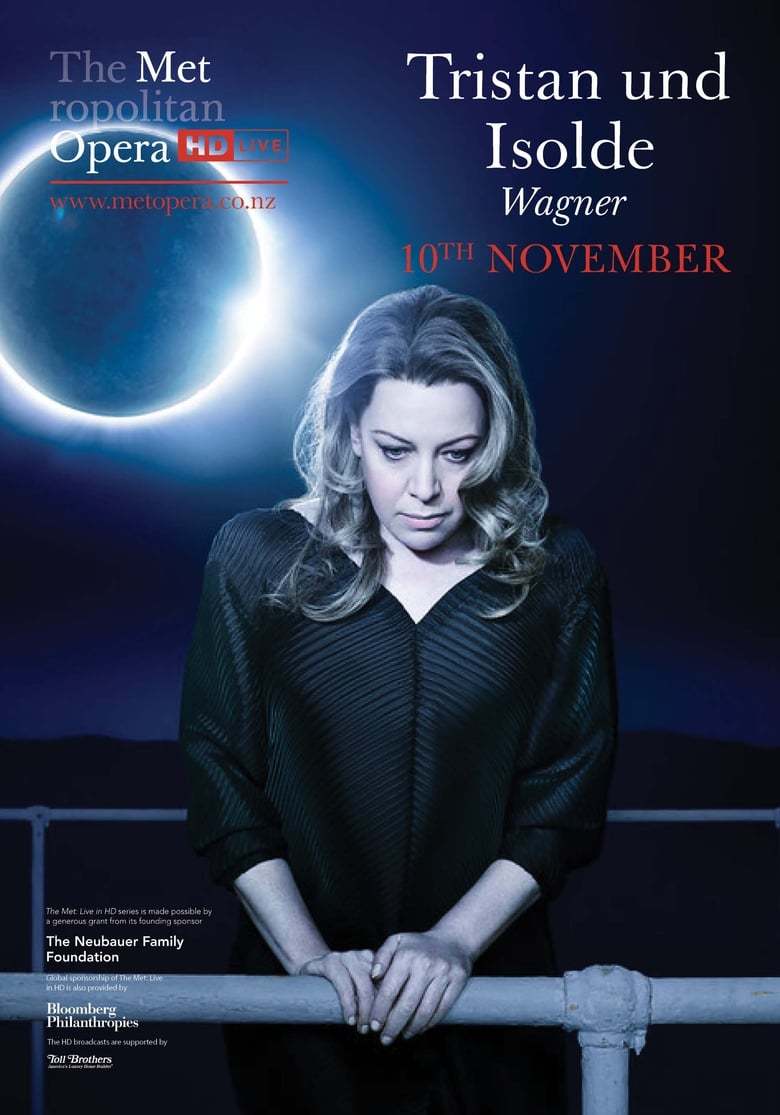
The Metropolitan Opera: Tristan und Isolde

La verdadera victoria
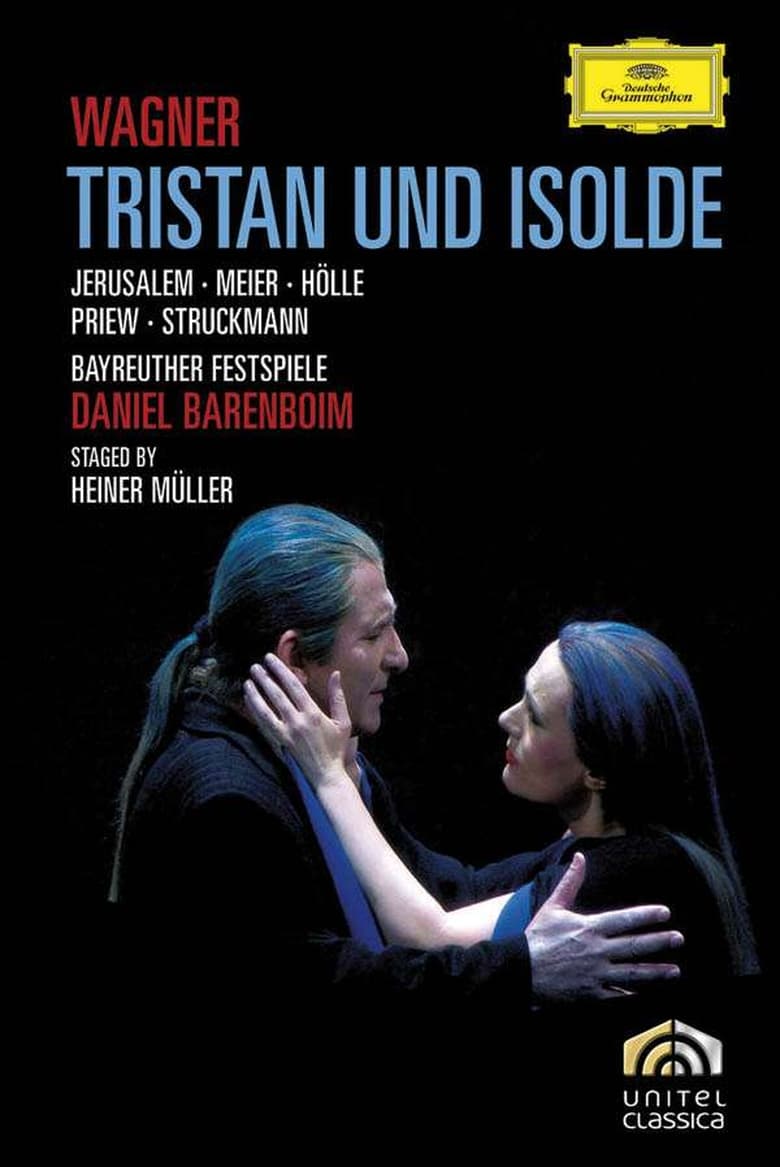
Tristan und Isolde
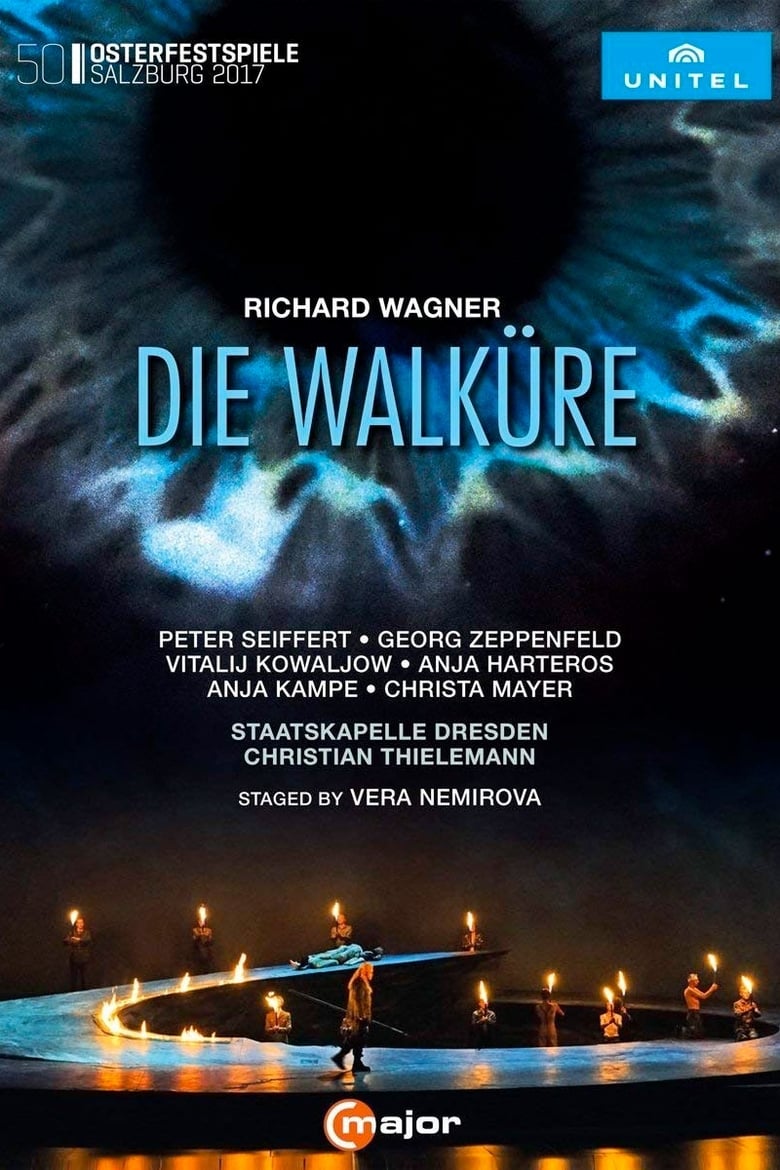
Wagner: Die Walküre
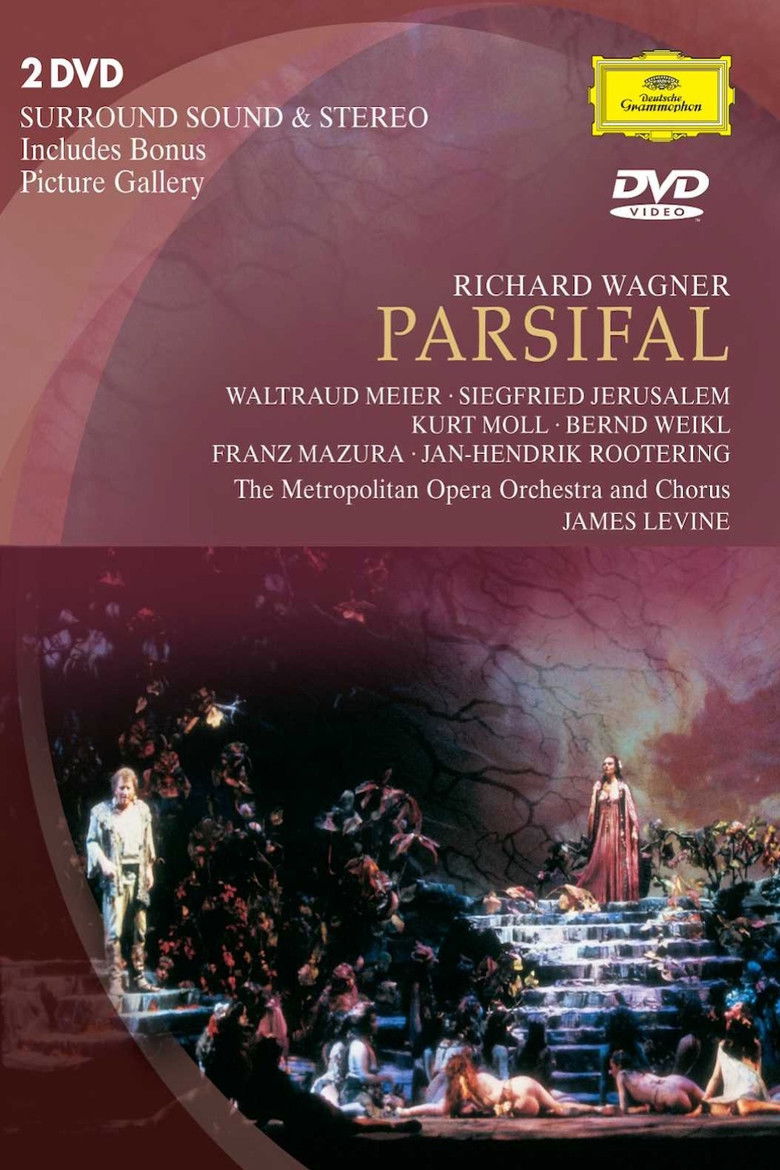
Richard Wagner: Parsifal
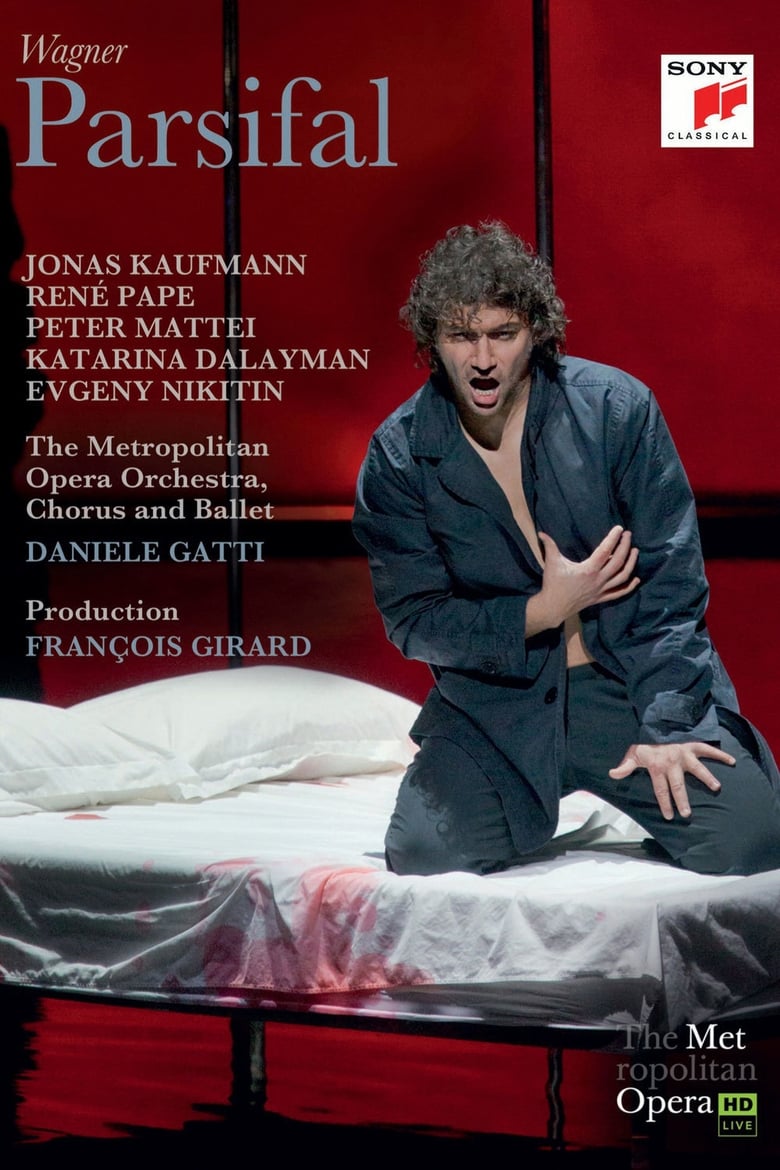
Parsifal
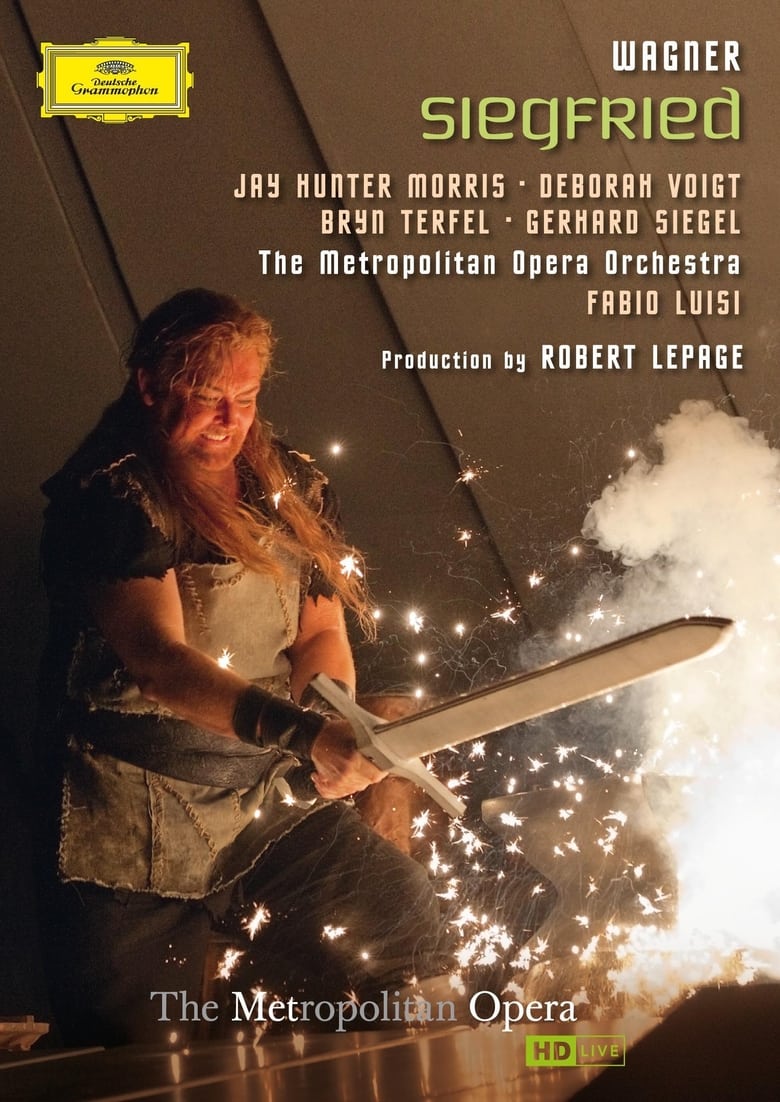
Wagner: Siegfried
Agi, the Fury of Evil

Tristan und Isolde
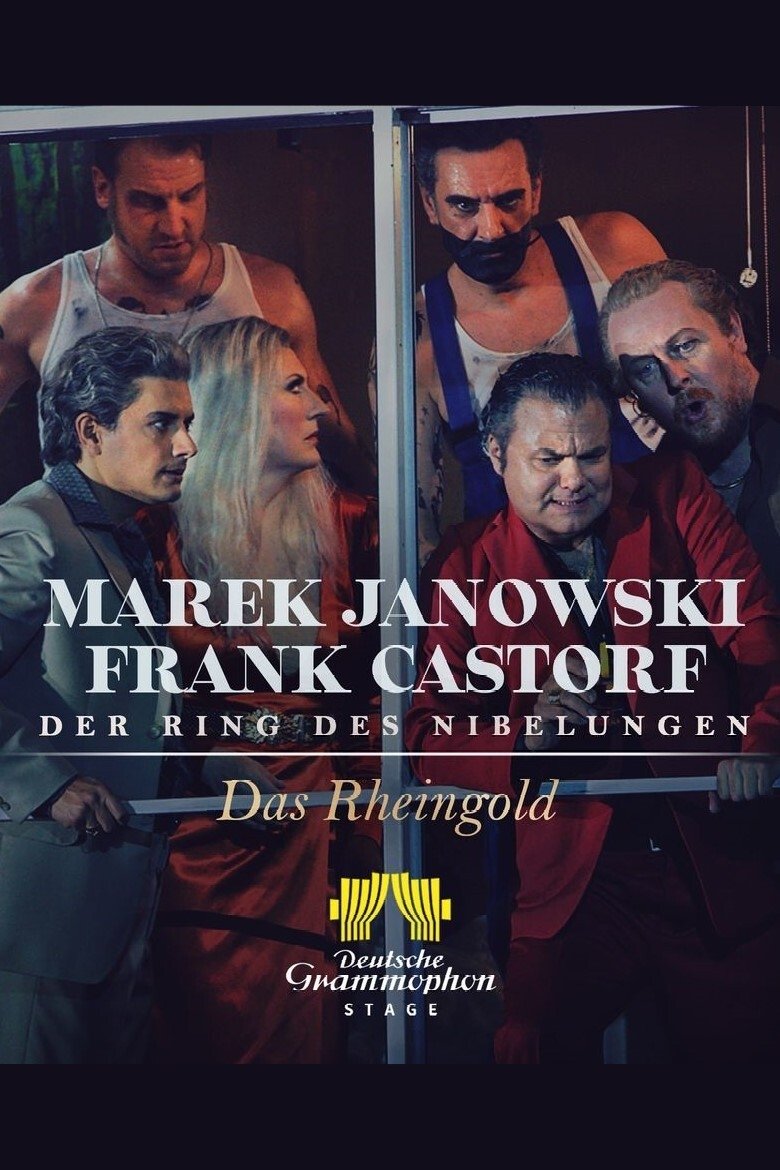
The Ring of the Nibelung: The Rhinegold
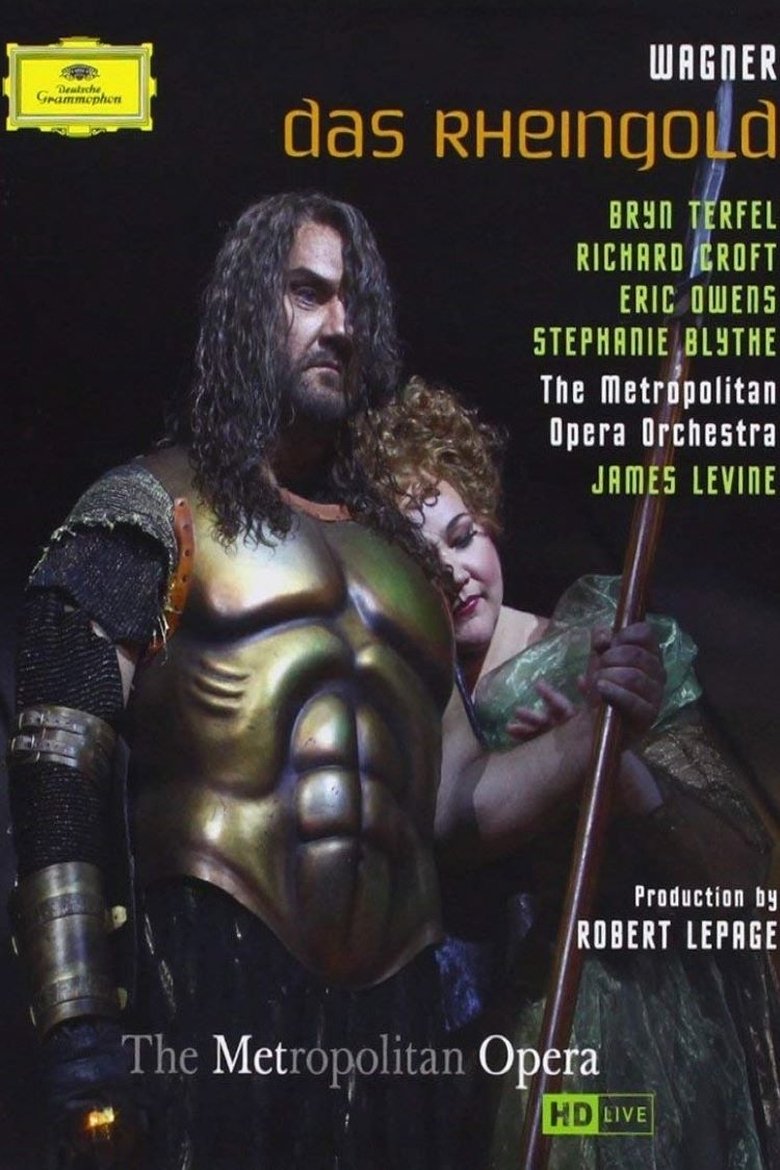
Wagner: Das Rheingold
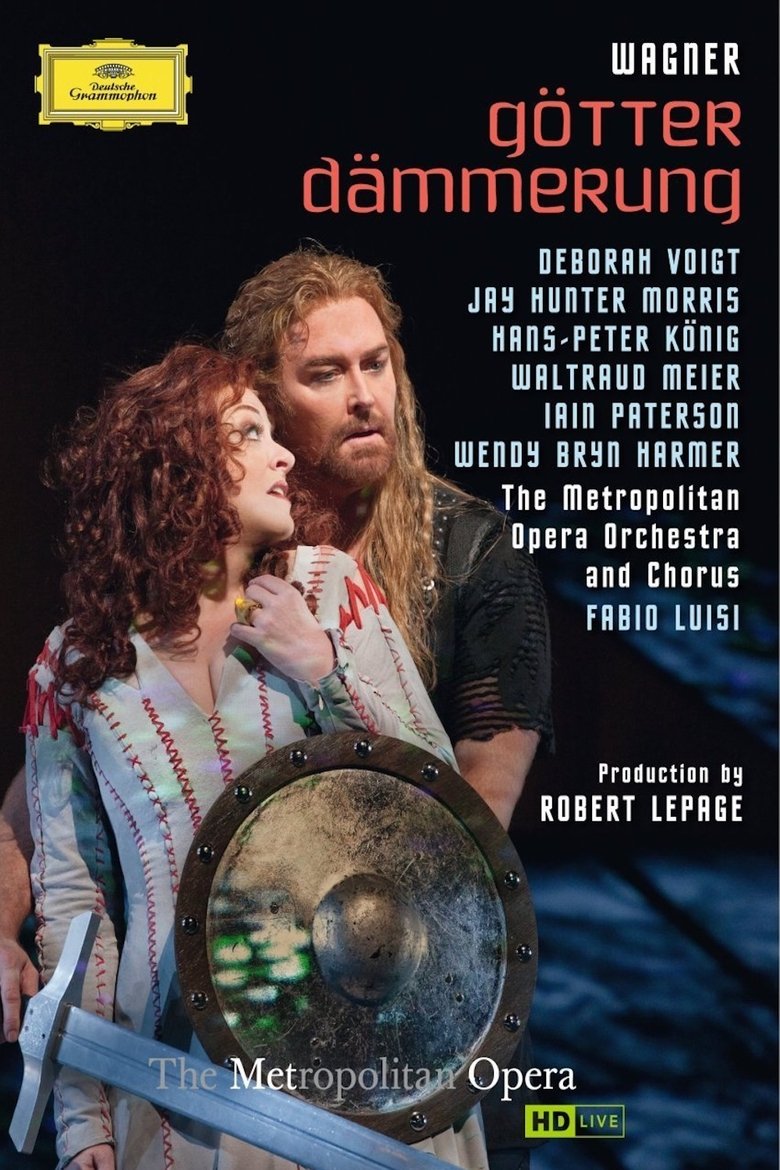
Wagner: Götterdämmerung
Hitler und der Wagner Clan

Lohengrin: Opera romantica in tre atti
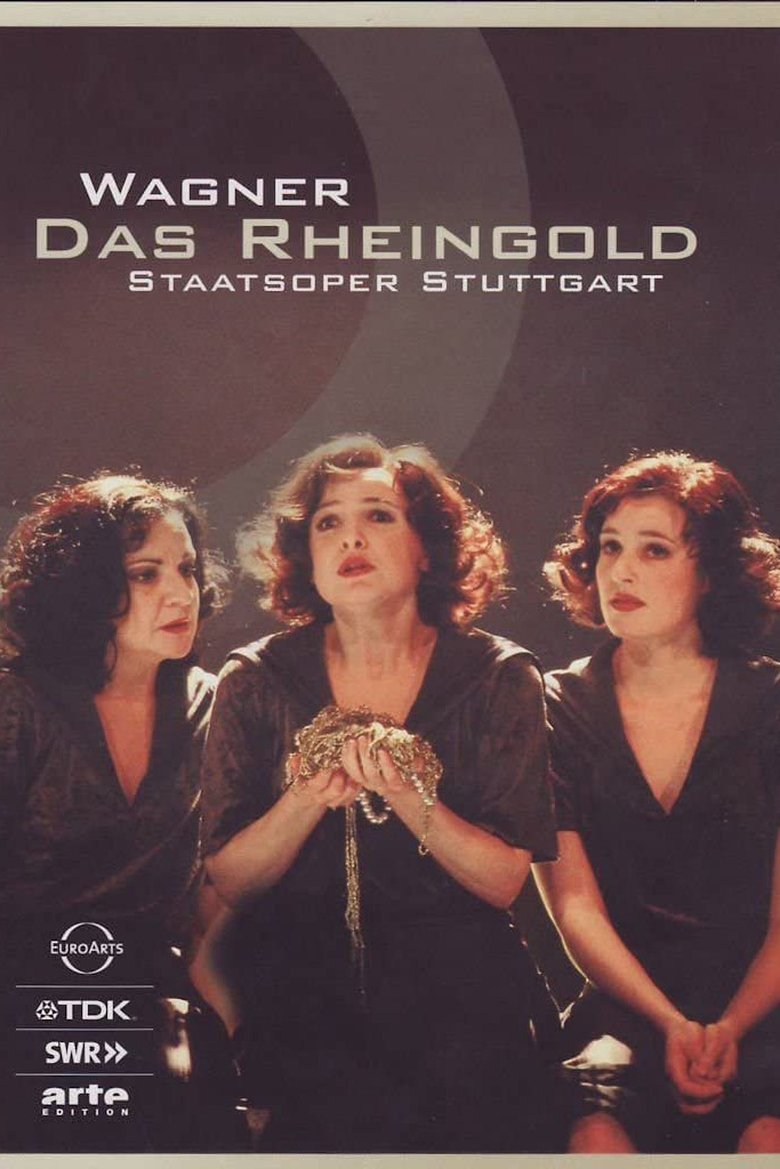
Das Rheingold
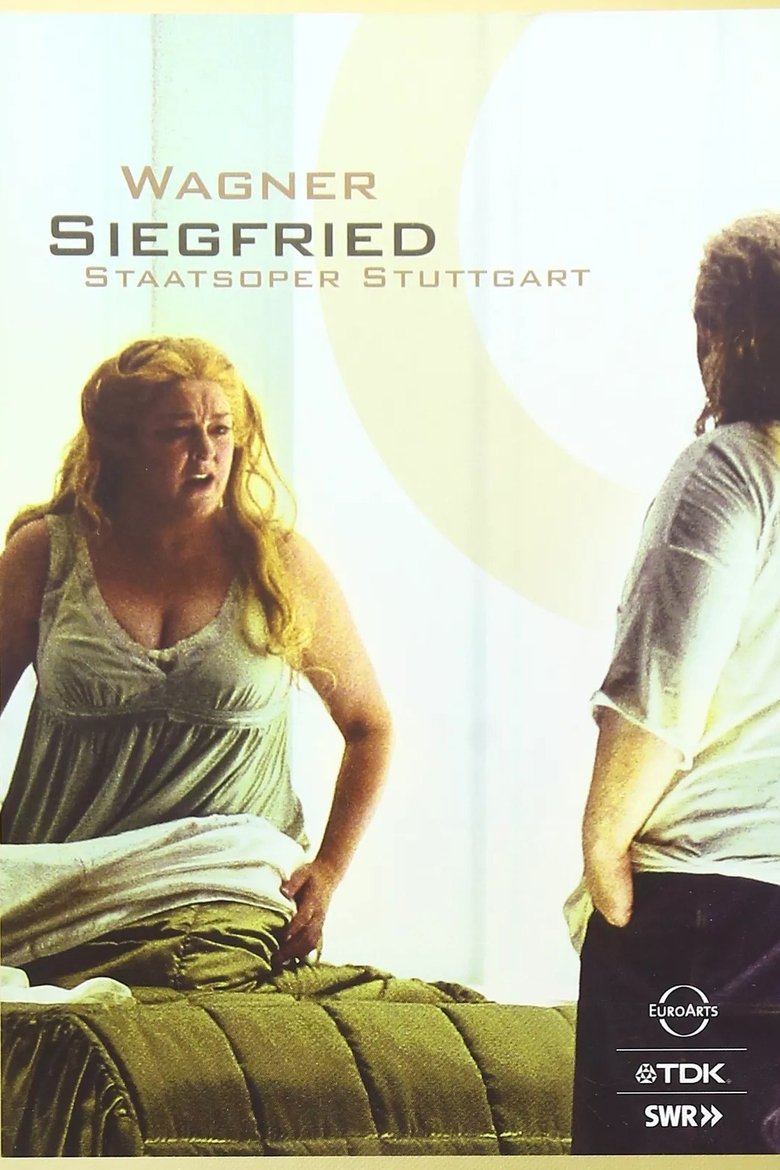
Siegfried

Proust ou les Intermittences du cœur